

A considered introduction to Element Brand, from its skateboarding foundations to the decks, clothing and design details in its UK range.
Some labels use skateboarding as a visual reference; Element Brand puts it at the centre of how it describes itself. Its UK store calls the label streetwear with skateboarding at its roots, then brings that idea into a broad mix of boards, clothes, footwear and accessories. For a first-time reader, that raises a useful question: is this a board company with clothes around it, or a clothing label that happens to sell decks?
The range suggests the answer is deliberately both. Decks and skate equipment make the activity visible, while seasonal clothing and artist collaborations give the brand a wider everyday context. We have reviewed the information on the official UK store, rather than testing or wearing these products. That makes the useful starting point the brand’s own product details, the breadth of its categories and how closely each item connects to skating.
Disclosure: this post includes affiliate links, and we may be paid a commission on purchases made through them.
→ Browse Element Brand decks and clothing
The short version
- Skateboarding is the anchor: Element Brand describes its identity as streetwear built around skate culture.
- The range is broad: the UK store carries decks and completes as well as clothing, footwear and accessories.
- Art appears on the hardware: collaborations such as the Chrome Vincent Milou Multi give decks a clear visual identity.
- Check specifications per item: selected deck listings state Canadian maple construction and water-based finishes; details vary by product.
- Best fit: readers who want skating to shape both their equipment choices and their off-board wardrobe.
A skate first identity
Element Brand’s own wording matters because it sets a more useful frame than a generic streetwear label. Skateboarding is not merely a graphic printed on a tee in the brand’s positioning. It is represented by dedicated deck and complete-board sections, plus skate accessories such as wheels, trucks, bearings and hardware. The UK store also lists dedicated skate accessories such as wheels, trucks, bearings and hardware alongside the apparel catalogue.
That structure gives a newcomer two routes in. Someone assembling or replacing a setup can start with the Hidden Vincent Milou Multi deck and compare dimensions and construction on its own listing. Someone more interested in the culture can browse the clothing and lookbook first, then decide whether a board or accessory belongs in the picture. Neither route requires assuming that every item has the same technical purpose.
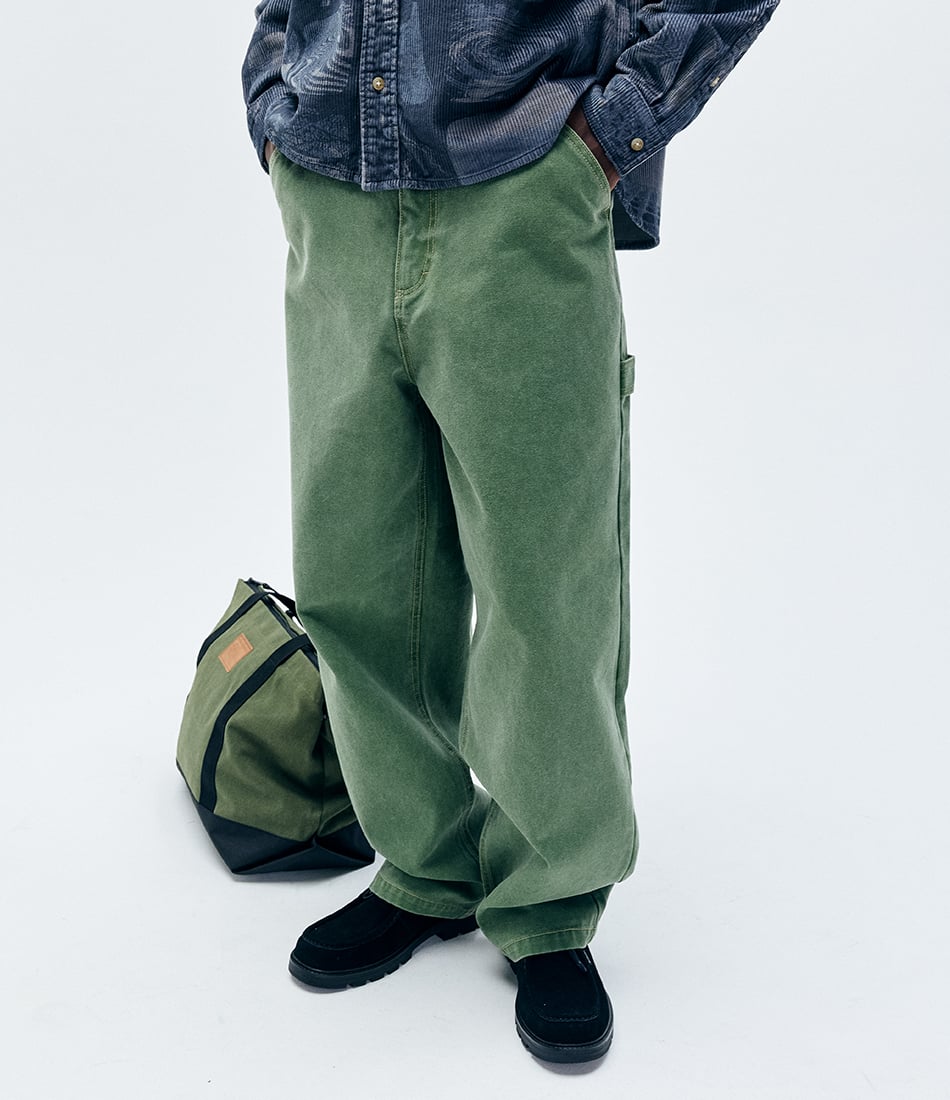
The range’s distinction is the link between equipment and the everyday uniform around it. It will suit readers who value that connection; for technical decisions, dimensions and component compatibility matter more than a collaboration graphic.
Boards with character
The deck catalogue makes the collaborative side concrete. The Chrome Vincent Milou Multi and Hidden Vincent Milou Multi are two separately listed decks tied to the same skater collaboration, while the All Night Vitoria Mendonca Multi brings a different artist name into the range. These names help orient browsing, but the artwork and exact board dimensions are what distinguish one listing from another.
Selected product pages describe decks as Canadian maple and mention water-based finishes. Treat those as item-level specifications, not a promise that every board or garment uses identical materials. A deck is a functional choice as well as a graphic object: width, shape and intended setup should line up with the rider’s needs. Check those fields directly on the Chrome Vincent Milou listing and the All Night Vitoria Mendonca listing before deciding.
- Start with dimensions: compare deck width and shape against the setup you ride or plan to build.
- Read the material notes: confirm the specific listing’s construction and finish rather than generalising across the catalogue.
- Separate artwork from fit: choose a graphic you like only after the board specs meet your practical needs.

For a complete board, the buying question changes: the shopper is choosing a ready assembled option rather than an individual deck. Element Brand lists completes alongside decks, but the parts and configuration can differ between models. Check included components and intended use on the exact listing, then match them to the rider’s experience and preferred setup.
→ Explore Element Brand skateboards
Clothing beyond the deck
The clothing categories make Element Brand easier to approach even if a reader is not shopping for equipment. The UK store lists jackets, sweatshirts, shirts, tees and trousers, with separate men’s, women’s and youth sections, plus footwear and accessories.
The official lookbook is useful context because it shows clothing as outfits rather than isolated product tiles. For a specific example, the Wolfe Sherpa Green Reversible Sherpa Hoodie listing describes a relaxed fit, sherpa fleece and a main fabric of recycled polyester. Read its listing for the current size and care details.

The deck collaborations give board graphics a creator-led point of view. The All Night Vitoria Mendonca Multi is one visible example of that approach on the deck side. Browse collaborations for distinctive artwork; look to the product description for the practical facts.
- For a full skate setup: begin with the board category, then check components and compatibility.
- For everyday clothing: use the apparel categories and confirm fit, material and care on each listing.
- For a visual focal point: browse artist collaborations, then verify that the item’s specs suit its intended use.
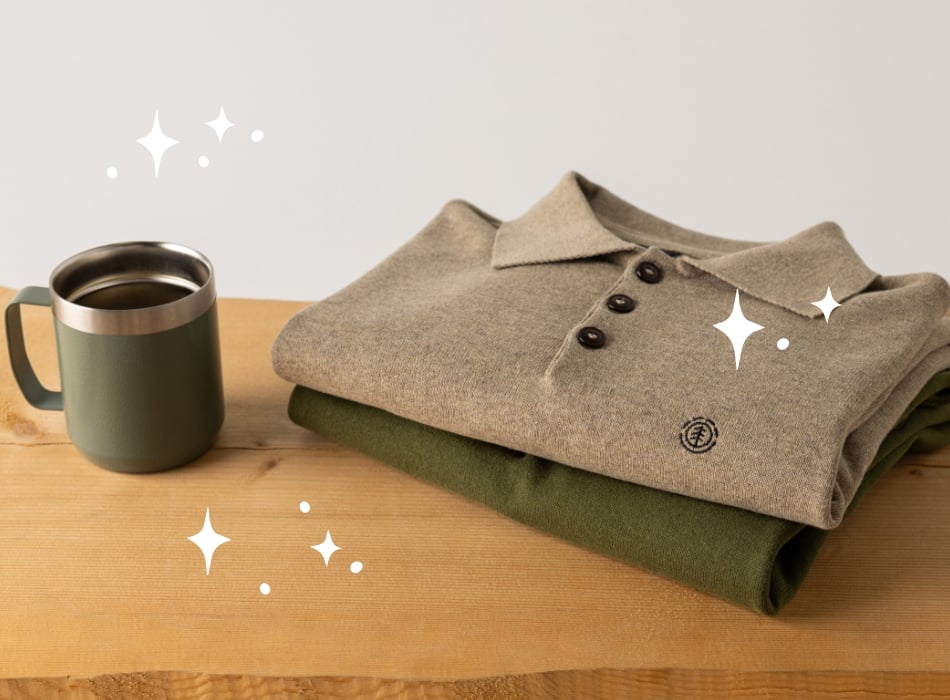
There is a practical limitation to this breadth. A catalogue covering equipment, clothing and lifestyle accessories asks the customer to make different kinds of decisions in one place. A deck needs scrutiny of shape and construction; clothing needs attention to size and fabric; shoes have their own fit considerations. Treating the entire store as one uniform product family would be a mistake. A good browse begins with the category, then narrows to the item details.
- Check dimensions and materials on each deck page.
- Use clothing listings for garment fit and fabric details.
- Confirm whether a board is a deck alone or a complete setup.
→ View the artist collaboration decks
Materials and responsibility
Material language is worth reading carefully. The UK product catalogue includes deck pages that identify Canadian maple and water-based finishes on selected products. That is a concrete detail, but its scope is specific: it should not be extended to every product without confirmation. For buyers who care about materials, look for the information on the particular listing rather than relying on a broad impression from the brand’s identity or campaign imagery.
A stated wood type is useful, but does not establish a product’s full environmental impact. Consider material notes alongside construction and intended use.
Price is not a stable editorial anchor for a catalogue that changes by collection and configuration. The cost of a deck, complete board or garment can depend on the item and its features, so check the official UK listing for the current figure and available options. We have left amounts out here so this introduction stays useful after individual listings change.
- Confirm a deck’s dimensions.
- Check garment fit on its product page.
- Verify what a complete board includes.
Questions readers ask
Is Element Brand mainly a skateboard brand?
Skateboarding is central to the brand’s own description, and the store has boards and skate hardware alongside clothing, footwear and accessories.
Are the decks ready to ride?
The store lists both decks and complete boards. A deck is an individual board component, while a complete is assembled; check the exact listing for what is included before ordering. Riders building a custom setup should also confirm component compatibility.
What should I check before choosing a deck?
Start with the listed dimensions, shape and construction, then match them to your riding style and existing setup. Artwork is a personal choice, but it should follow the practical fit checks rather than replace them.
Our take
Element Brand is easiest to understand as a skateboarding-led label with decks and equipment for riding, plus clothes and accessories that carry the same cultural reference into everyday life. The Chrome Vincent Milou deck, Hidden Vincent Milou deck and All Night Vitoria Mendonca deck show how the brand uses collaborations to give that core range different visual directions.
We would recommend it to readers who want their board choices and casual wardrobe to share a skate influenced point of view, and who are willing to check specifications rather than shop by graphics alone. The main caveat is that broad range does not guarantee every category will suit every buyer; fit, construction and included components vary. Use the official UK store’s item pages to confirm those details before choosing.