

A clear look at Staysure’s Ireland cover routes, the benefits they foreground and the policy details that still need your attention.
Choosing travel insurance is less about finding a single headline benefit and more about matching the policy to the trip. A short break, a year of frequent travel and a cruise create different questions, even before medical history or planned activities enter the picture.
We reviewed the information on Staysure’s Ireland travel insurance pages. The range is sensibly divided by trip pattern, and the brand says it can cover many pre-existing medical conditions after screening. The useful caveat is that the exact cover depends on answers, eligibility and the policy wording selected.
Disclosure: this post includes affiliate links, and we may be paid a commission on purchases made through them.
→ Check current Staysure travel insurance options
The short version
- Single Trip Travel Insurance is the natural starting point for one defined holiday.
- Annual Multi-Trip Travel Insurance is designed around several trips, with limits to check for each departure.
- Cruise Travel Insurance adds cruise-related benefits such as missed port departures and unused excursions, under stated terms.
- Medical conditions may be covered after screening, but acceptance, exclusions and any conditions depend on the completed assessment.
- Read the selected policy level and full wording; benefit limits and exclusions matter more than a product label.
Cover routes
The three main pages make the choice easier to frame. Single Trip Travel Insurance centres on one journey, so it suits a traveller who wants to insure a particular itinerary without paying for a year-round structure they may not use. It is the simplest route to investigate for one holiday. The page is a starting point rather than proof that every destination, trip length or activity is automatically included. Read the applicable limits and exclusions before deciding.
For travellers planning several departures, Annual Multi-Trip Travel Insurance changes the calculation from one trip to a period of travel. Its appeal is convenience: a traveller does not need to begin from a single-trip product page for each separate holiday. But convenience only helps if the policy’s trip-duration, destination and eligibility rules fit the journeys planned. A long visit may need a different route, so list the actual trips first and confirm each falls within the terms. The annual multi-trip page is where to check the conditions against that list.
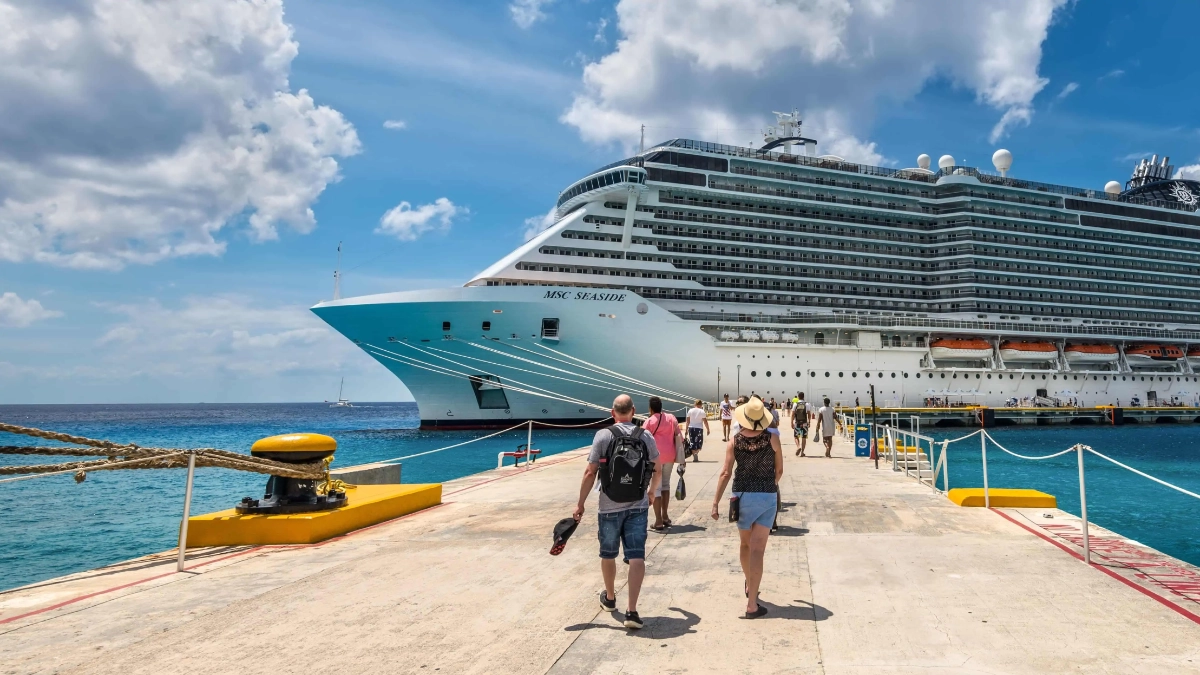
The third option is Cruise Travel Insurance, a more specialised route for a holiday where the ship and port schedule shape the risks. Staysure highlights cover for events including missed port departures and unused excursions. Those named benefits make the product more relevant to cruise planning, but they do not remove the need to check definitions, evidence requirements, exclusions and benefit limits in the policy documents. The cruise cover page gives a direct place to begin that review.
Read the corresponding details for Single Trip Travel Insurance, Annual Multi-Trip Travel Insurance and Cruise Travel Insurance before comparing a quote. The product names describe the route; the policy wording determines the boundaries.

Staysure’s site also describes the products with policy-level variation. Benefits for medical expenses, cancellation and baggage can change with the selected level. That means the cheapest-looking quote may not be the closest match if it leaves out a benefit that matters to your trip. Compare the same details across options rather than treating the first figure as the whole decision. Check how those benefits appear on the single-trip route and annual route that match your plans.
→ Compare Staysure cover routes
Medical screening
Medical screening is one of the more consequential parts of the decision. Staysure says it can cover most pre-existing medical conditions, subject to screening and policy terms. This is a meaningful strength for travellers who might otherwise assume a diagnosis automatically rules out cover. It is not a blanket guarantee: the insurer needs accurate information, and the outcome can depend on the condition and the answers supplied.
We recommend treating the screening as part of the quote, not a detail to revisit after purchase. Set aside time to answer fully and consistently. If medication, symptoms, treatment or a planned review might be relevant, disclose it in the way the questions require. If something is unclear, contact Staysure before relying on an assumption. A policy that looks suitable on its summary page may have exclusions or special conditions attached to a medical declaration.
Before proceeding, keep these checks in view:
- Confirm every traveller’s details and medical answers are complete and accurate.
- Check whether a declared condition is accepted and whether any special terms apply.
- Review emergency medical assistance, cancellation and repatriation wording together.
- Make sure the destination and the full length of the trip are within the policy scope.
The brand lists a 24/7 medical emergency helpline among its benefits. That can be reassuring when travelling, but a helpline is not the same as every expense being covered. Read when it should be contacted and what the policy requires in an emergency. Keep the relevant documents and contact details accessible during the trip. Check the assistance details alongside the selected single-trip policy or annual policy.

For readers with a medical history, the best next step is to review the screening process alongside the policy wording. Check Staysure’s single-trip cover information or annual cover information depending on the journey, then confirm the returned terms reflect the disclosures made.
→ Check Staysure medical cover details
Cruise and winter
Specialist cover deserves a closer look when the trip includes more than flights and accommodation. Cruise cover is the clearest example in this range. Staysure highlights missed port departures and unused excursions, both tied to cruise-specific disruption. A traveller should still check what counts as a missed departure, whether a delay or operator action is covered, and what documentation is needed to claim.
The Cruise Travel Insurance page is a useful route for comparing those details, especially if the itinerary includes several ports or excursions booked in advance. We would not assume that a standard single-trip policy includes the same cruise benefits just because the trip itself is insured. Verify the product wording and selected cover level.
Winter sports create a different set of questions. The Ireland site has a separate winter-sports cover page, so snow holidays should be checked against its activity terms rather than treated as an ordinary leisure trip. Review which activities are included, whether equipment or piste closure matters to your plans, and whether any activity requires an added option. Conditions can distinguish casual snow activities from more specialised pursuits.
Activity wording matters outside winter too. A day on the water, a guided hike or an organised excursion may have conditions attached. The image here is illustrative, not a statement that kayaking is automatically covered. Ask about any higher-risk activity before buying and retain the answer with your policy documents. The cruise policy details are especially relevant when the activity is part of a port excursion.

→ Review Staysure cruise cover
Where fit narrows
Staysure’s strengths are its clear product routes, medical screening for many pre-existing conditions, cruise-specific benefits and a stated emergency helpline. Those are practical features, not a substitute for comparing wording. The route-based structure makes it easier to start with the kind of holiday being insured and then investigate the details relevant to it.
The limitations are equally important. Cover can vary by level, and the quote depends on the traveller and trip details. Eligibility and medical acceptance are not universal. Terms such as cancellation, baggage, missed departure or unused excursion can carry definitions and caps that are easy to miss in a short summary. We found no basis to treat any of the three product labels as interchangeable or comprehensive by default.
Cost will depend on factors such as destination, trip duration, age and medical disclosures, selected cover level and any options. Rather than rely on a general statement about value, compare the final quote against the benefits you need and the exclusions you can accept. Check the current quote and documents directly with Staysure because terms may change.
- Choose single trip when one itinerary is the only journey to insure.
- Compare annual cover when several journeys are planned, and check duration rules on each.
- Start with cruise cover when port calls and excursions are central to the holiday.
- Use the screening outcome and policy wording to decide whether declared medical needs are adequately addressed.
For a focused quote, begin with Single Trip Travel Insurance, Annual Multi-Trip Travel Insurance or Cruise Travel Insurance as appropriate, then review the policy level, limits, exclusions and assistance arrangements. The right product is the one whose terms match the trip you will actually take.
Questions travellers ask
Can Staysure cover a pre-existing condition?
Staysure says many pre-existing conditions can be considered after medical screening. Acceptance and terms depend on the assessment and policy wording, so disclose information accurately and review the terms returned with your quote.
Is annual multi-trip cover right for several holidays?
It is designed for travellers taking multiple trips, but check destination, trip-length and eligibility limits against every planned journey. A longer stay may need another product route.
What makes cruise cover different?
Staysure highlights cruise-related events such as missed port departures and unused excursions. Check their definitions, limits and claim requirements in the policy documents before relying on them.
Our take
Staysure is worth considering for Irish travellers who want a choice between one-trip, annual and cruise-focused cover, particularly if medical screening or cruise benefits are relevant. Its clearest advantage is that the main routes reflect different travel patterns. The recommendation is conditional: compare the policy level and wording, and make sure the screening outcome matches the information you provide. Revisit the single-trip terms, annual terms or cruise terms as appropriate before deciding.
The main limitation is that the public product overview cannot settle whether a specific traveller, activity or disruption is covered. That answer sits in the quote and policy documents. Use the route that fits your plans, check the exclusions and assistance terms, and only then decide whether the cover represents a good fit.