
A closer look at BLUETTI’s clean-energy roots, its range from compact stations to home backup, and how to decide where to start.
Portable power has moved well beyond keeping a phone charged at a campsite. For households thinking about outages, road trips or off-grid use, the more useful question is how a company’s products fit different kinds of demand. BLUETTI has built its name around that broad problem: storing power, moving it where needed and pairing it with solar charging.
We reviewed the Canada storefront and its product information to understand the range. The catalogue spans compact stations, expandable systems, solar panels and purpose-specific backup products, so a good starting point is the job you need power to do.
Disclosure: this post includes affiliate links, and we may be paid a commission on purchases made through them.
→ View the BLUETTI Canada collection
The short version
- BLUETTI centres its range on portable power stations, solar generators, home backup and accessories.
- The Apex 200 is an expandable option for people planning around larger loads or off-grid use.
- The Elite 30 Mini addresses lighter portable needs; FridgePower is built around refrigerator backup.
- Choose by load, runtime, portability and expansion plans, then confirm current specifications on the Canada product page.
A power-first idea
The BLUETTI story is easiest to understand through a practical lens. Its Canada site presents the brand as a clean-energy technology company, with products that store electricity for use away from a wall outlet or when household power is interrupted. Portable stations are the centre of gravity, while solar generators bundle storage with a way to recharge from panels.
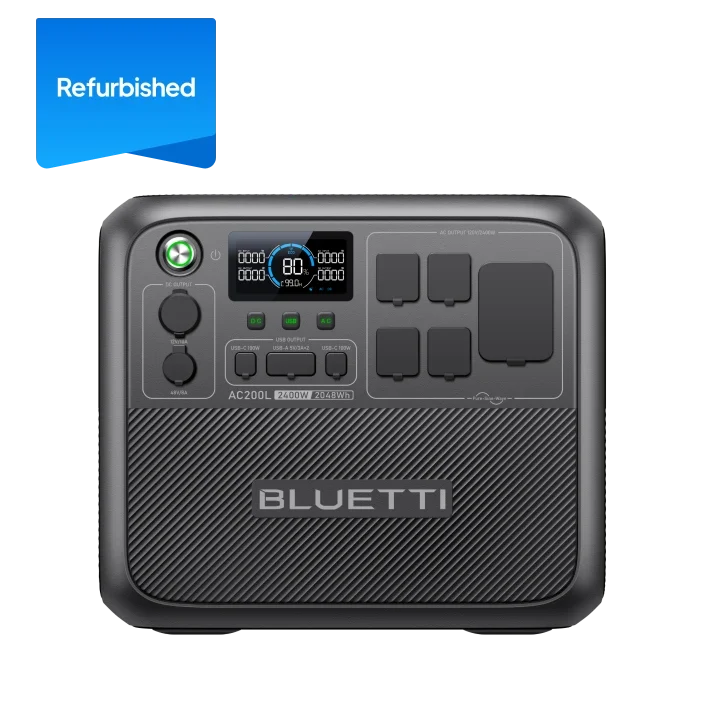
That framing matters because a power station is not simply a battery with sockets. Capacity shapes how long it can run devices; output limits which devices it can support at once; charging options affect how it fits into a trip or backup plan. For readers mapping those needs, BLUETTI portable power stations offer the broadest starting point. BLUETTI’s range includes compact models alongside expandable systems, allowing shoppers to start with a smaller requirement or plan for a broader setup.
BLUETTI also sells related gear, from solar panels and expansion batteries to vehicle and RV equipment. That ecosystem can be useful when compatibility is clear, but it makes checking each model’s supported accessories an important part of the decision. A brand-wide feature should never be assumed to apply to every station. Review the supported accessories for the chosen model before building a system.
→ Explore BLUETTI power stations
A range by scale
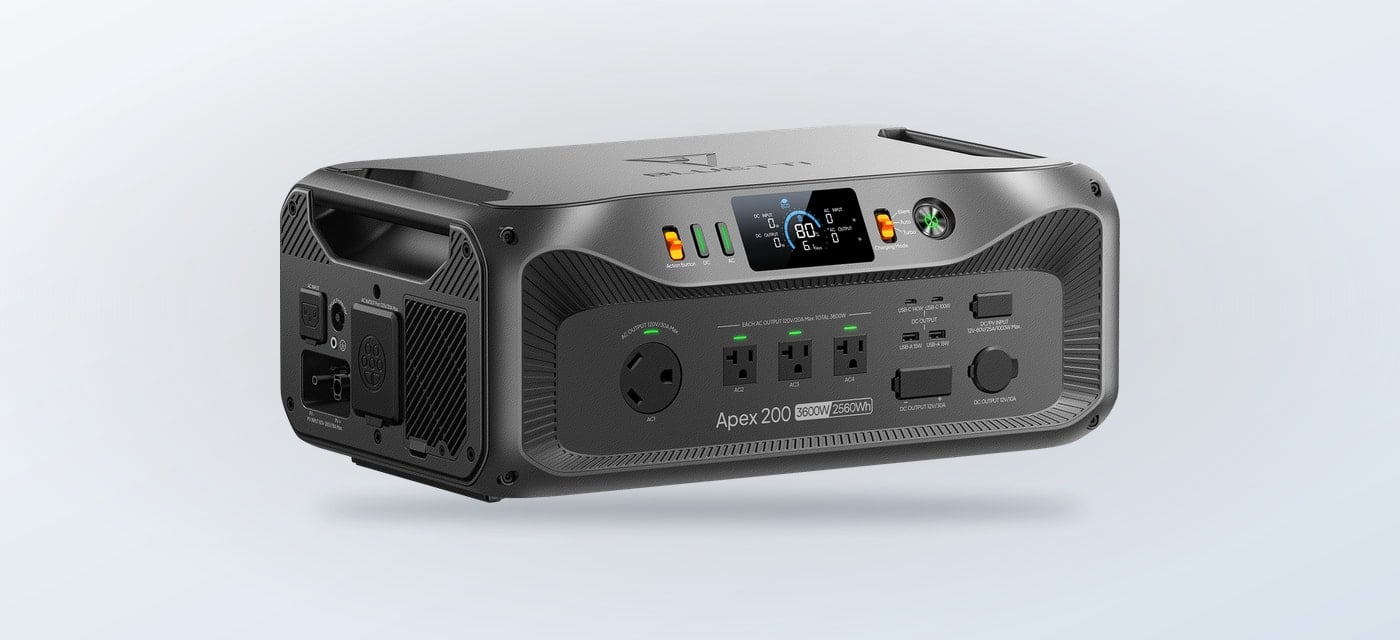
At the larger end, the Canada listing for the Apex 200 describes a 2,560Wh station, up to 3,600W output, expansion support and solar input. Those figures point toward backup and off-grid planning rather than a pocketable charger. For a reader, the useful question is whether the connected appliances and the planned runtime justify a system of this scale. The Apex 200 product page is the place to confirm compatible expansion batteries and the latest specification details. Readers considering Apex 200 expansion options should also verify the supported battery combinations.
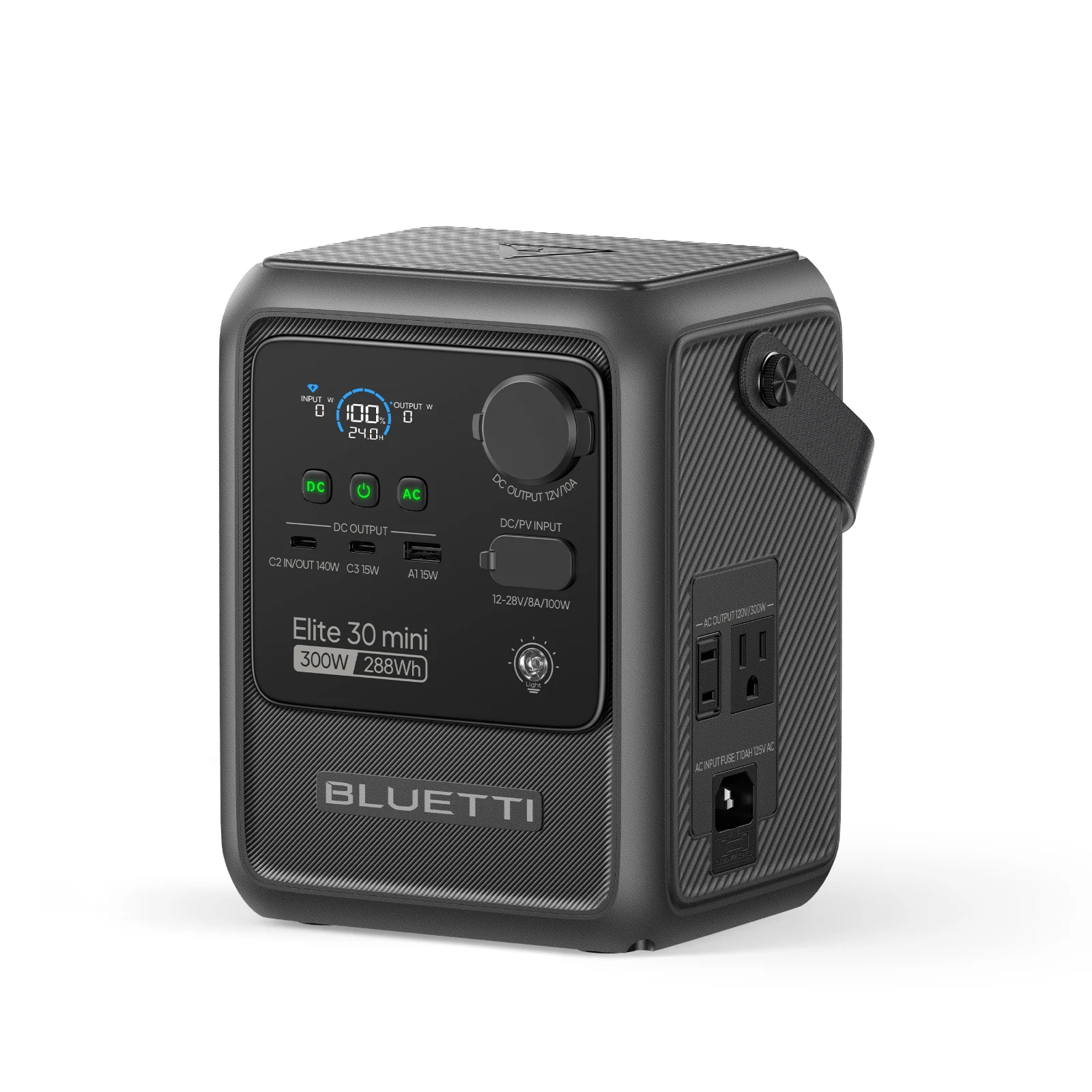
By comparison, the Elite 30 Mini sits closer to personal and travel power. Its small format makes the category distinction clear: it is intended for lighter loads and easier carrying, not as a substitute for a household backup system. The Canada listing and product details should guide decisions about ports, supported devices and charging inputs. See the Elite 30 Mini page when comparing it with other compact stations. A quick check of the product’s ports and inputs helps keep that comparison concrete.
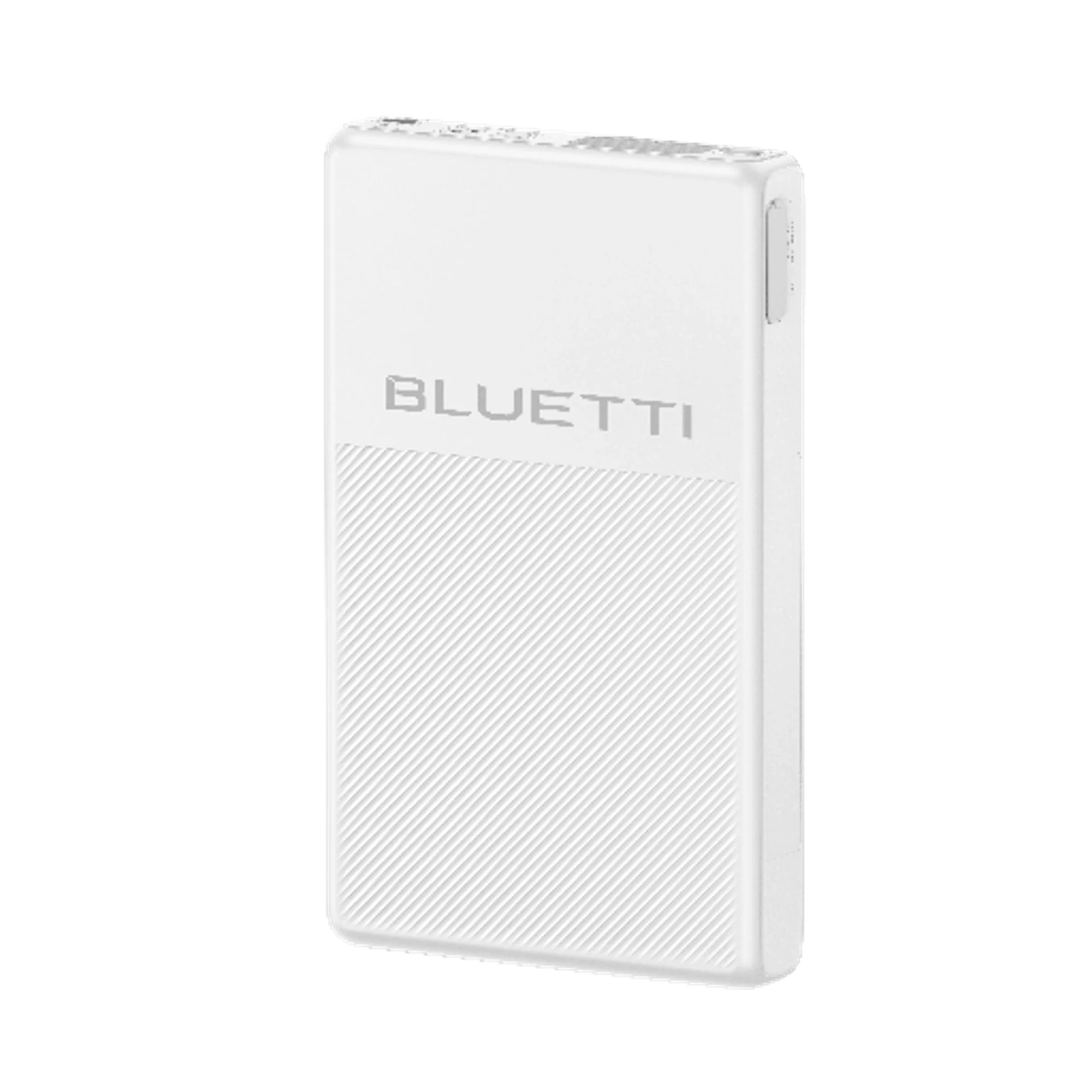
FridgePower is a more specialised answer: its Canada product page presents it as a battery backup for refrigerators. That focus can make the product easier to evaluate than a general-purpose station, because the intended load is explicit. Still, check the refrigerator’s starting demand, desired runtime and the product’s stated compatibility rather than assuming every appliance will behave alike. The FridgePower listing gives the product-specific information to compare. Check FridgePower compatibility details alongside your appliance specifications.
These three examples show why the brand’s range is more informative than a single flagship. A portable model, an expandable power station and a dedicated backup device solve different problems. Select for the scenario first, then compare capacity, output, weight, recharging and the cost of any add-ons on the current Canada listings. Product pages for Apex 200, Elite 30 Mini and FridgePower let you compare those roles directly.
→ View BLUETTI portable power options
Details worth checking
The best way to read a BLUETTI product page is to connect its headline numbers to the devices you have in mind. A large capacity figure alone does not tell you which appliances can run, how many can run together, or how quickly the battery will recharge. Make a short list before comparing models:
- Load: note each device’s running and startup demands, especially for appliances with motors.
- Runtime: estimate how long essential devices need to stay on, with a margin for uncertainty.
- Charging: compare wall, vehicle and solar inputs that are actually supported by the specific model.
- Portability: consider where it will sit, how often it must move and whether its weight suits that routine.
- Expansion: check supported batteries and accessories before assuming the system can grow later.
For backup use, setup is part of the product choice. Compare the home backup range with a standalone portable unit before deciding. Decide whether you need to power a few essentials individually or connect a system into a larger home arrangement. For outdoor use, think about weather protection, transport and how panels will be positioned. These are practical constraints, not fine print: they determine whether a specification translates into a useful setup.
BLUETTI’s Canada storefront also gives shoppers local support and policy information, including dedicated support resources. That local context is useful when evaluating shipping, warranty coverage, returns and product availability. Policies can change, so check the current Canada pages directly before making a purchase decision. The store’s Canada product listings are also where availability and model details can be confirmed.
Questions readers ask
Is BLUETTI mainly for camping?
Camping is one use, but the Canada catalogue also covers home backup, RV power, solar charging and specialised products such as refrigerator backup. Start with the intended use and match the system’s load and runtime to it.
Can BLUETTI stations use solar panels?
Several product categories are built around solar charging, but supported input and panel compatibility vary by model. Check the exact product page and accessory guidance before pairing equipment.
How should a first-time buyer narrow the range?
List the devices to power, the time they need to run, and whether you need to carry the station. Then compare output, capacity, charging and expansion options on the Canada storefront rather than starting with the biggest model.
Our take
BLUETTI is worth a closer look for readers who want portable power with a path from small personal needs to more involved backup systems. Its product range is the strongest part of the story: the Apex 200, Elite 30 Mini and FridgePower each make a different use case legible. We would begin with the devices and runtime that matter, then shortlist the matching product family.
The limitation is choice complexity. Similar-looking stations can differ in output, charging and accessory support, and broad brand claims do not replace model-level checks. Review the current Canada specifications and policies before deciding.