
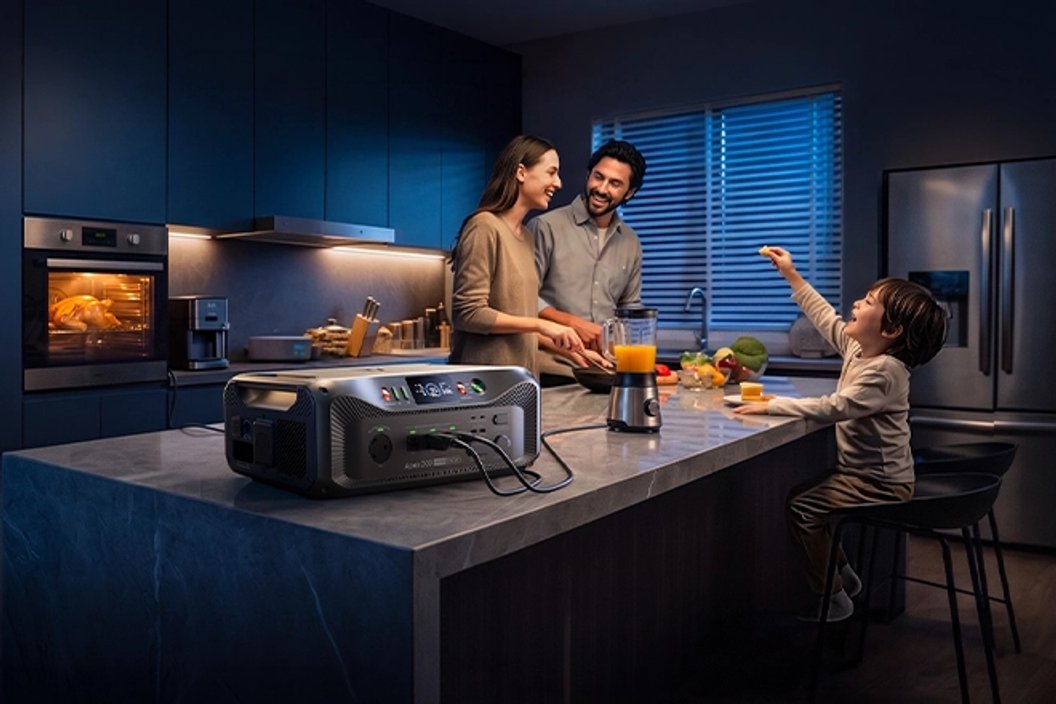
A product-page review of the BLUETTI Apex 200 explains its capacity, expansion path and practical trade-offs for backup and off-grid planning.
Choosing a home backup station is a sizing problem before it is a brand problem. The unit needs enough stored energy for the equipment you intend to run, and enough output for those devices to start and operate. BLUETTI positions the Apex 200 as an expandable power station for backup and off-grid use, with a capacity and solar-input ceiling that put it above a small weekend charger.
We reviewed the Canada product listing and its stated specifications. The central question is whether this sizable, expandable platform suits your planned loads, rather than whether a larger capacity sounds appealing on its own.
Disclosure: this post includes affiliate links, and we may be paid a commission on purchases made through them.
→ Check the current BLUETTI Apex 200 price
The short version
- The BLUETTI Apex 200 is listed with 2,560Wh capacity and 3,200W output.
- BLUETTI says compatible batteries can take the system to as much as 33kWh, a meaningful option for planned expansion.
- Its listed solar input reaches 3,000W; panel compatibility and the actual installation plan need checking.
- The Elite 300 has a smaller, self-contained profile, while FridgePower focuses on keeping a refrigerator backed up.
A bigger starting point
The BLUETTI Apex 200 is the headline product in this review. BLUETTI lists a 2,560Wh battery capacity and 3,200W output, alongside a stated 3,000W maximum solar input. Those numbers describe different limits: watt-hours indicate stored energy, while watts describe the rate at which the station can supply power. They are useful planning figures, but neither alone promises a particular runtime.
For a household, start with the devices that matter during an outage: perhaps a refrigerator, communications gear, selected lights and a few charging needs. Note their running draw and any higher startup demand, then decide how many hours or days of coverage you want. The Apex 200’s capacity makes it a more serious backup candidate than a small personal power bank, but the actual runtime depends on the combined loads, conversion losses and how often appliances cycle.
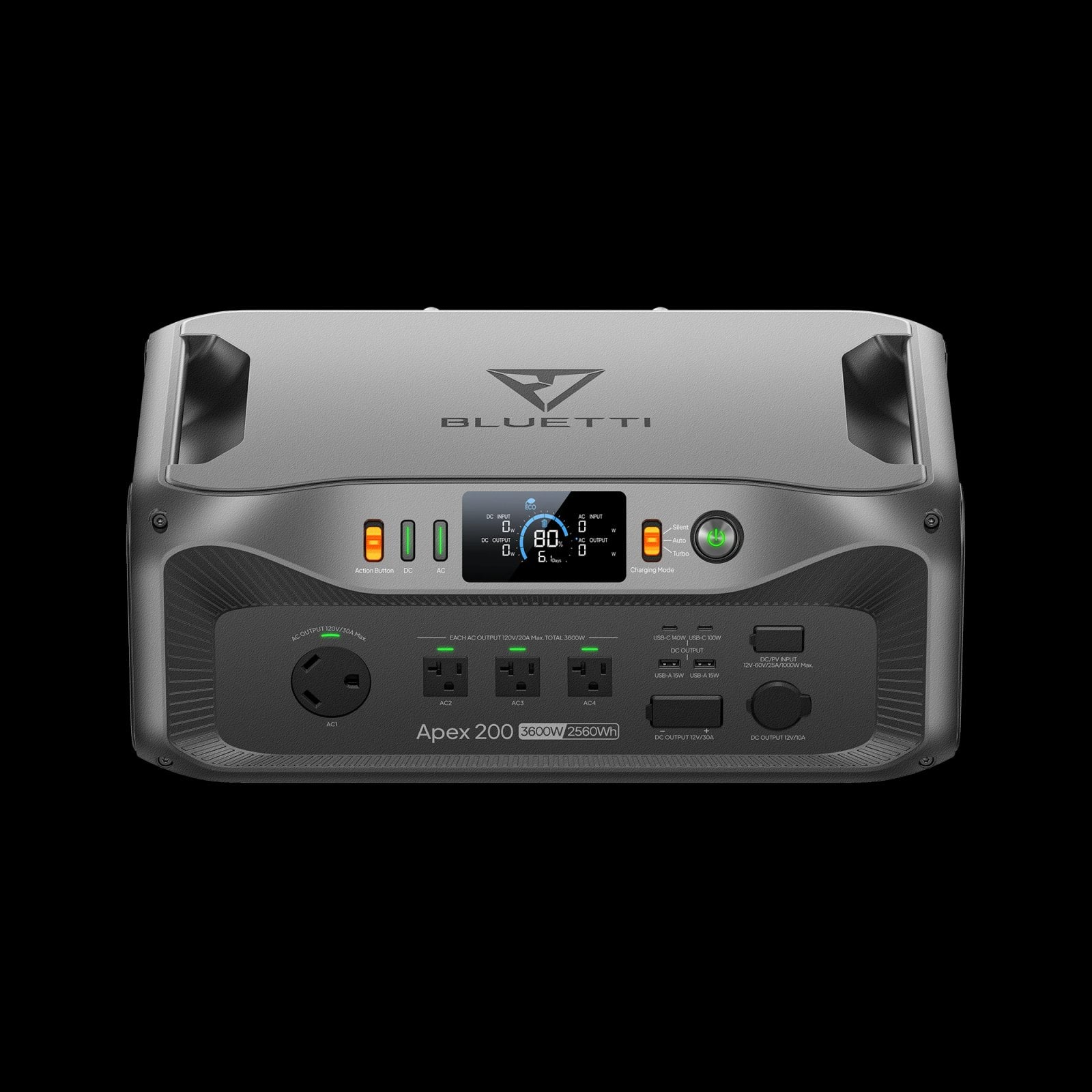
This is where the 3,200W output rating matters alongside capacity. A high-demand appliance can exceed an inverter’s output even when battery capacity is ample. Check both the continuous and surge requirements of anything you plan to connect against the current Canada listing and equipment manuals. The product page is the reference for what BLUETTI includes and supports; this review does not assume an installation or a particular household load.
The buying experience is best approached as a configuration decision. Begin with the base Apex 200 listing, then determine whether the planned setup needs expansion batteries, solar panels or connection accessories. Bundle contents and compatibility can vary across product pages, so compare the exact item names and included components before checkout. That helps avoid treating a headline system capacity as though every accessory were automatically in the box.
→ Check the current BLUETTI Apex 200 price
Expansion with purpose
→ Review Apex 200 expansion options
BLUETTI describes the Apex 200 as expandable to as much as 33kWh with compatible batteries, and the product copy cites up to 3,000W solar input. This makes it relevant to people planning a staged off-grid setup or longer backup coverage. Rather than buying maximum capacity by default, map what should run, for how long, and how the battery will be recharged between outages or days away from the grid.
Expansion has practical consequences. More stored energy means a larger overall system, more components to place and connect, and a higher overall cost than the core station alone. Solar adds another compatibility layer: panel voltage and connector requirements, available sunlight, mounting location and cable routing all affect the real setup. BLUETTI’s stated solar input is a ceiling, not a guarantee that a particular array will continuously deliver that rate.
- Write down the essential devices and their wattage, including startup draw where relevant.
- Estimate the hours of backup you need and allow for conversion losses.
- Check which expansion batteries and charging accessories are compatible with the exact Apex 200 configuration.
- For solar, confirm panel specifications, connectors and the site’s sun exposure before choosing a kit.
That checklist suits a cabin owner or preparedness-minded household more than someone seeking a lightweight phone-charging companion. The Apex 200 is a portable station, but its capacity and expansion proposition invite a deliberate setup. Think about where it will sit, how it will be moved, and whether you want a system that can grow over time. Those considerations are more useful than comparing headline capacity in isolation.
Where it fits
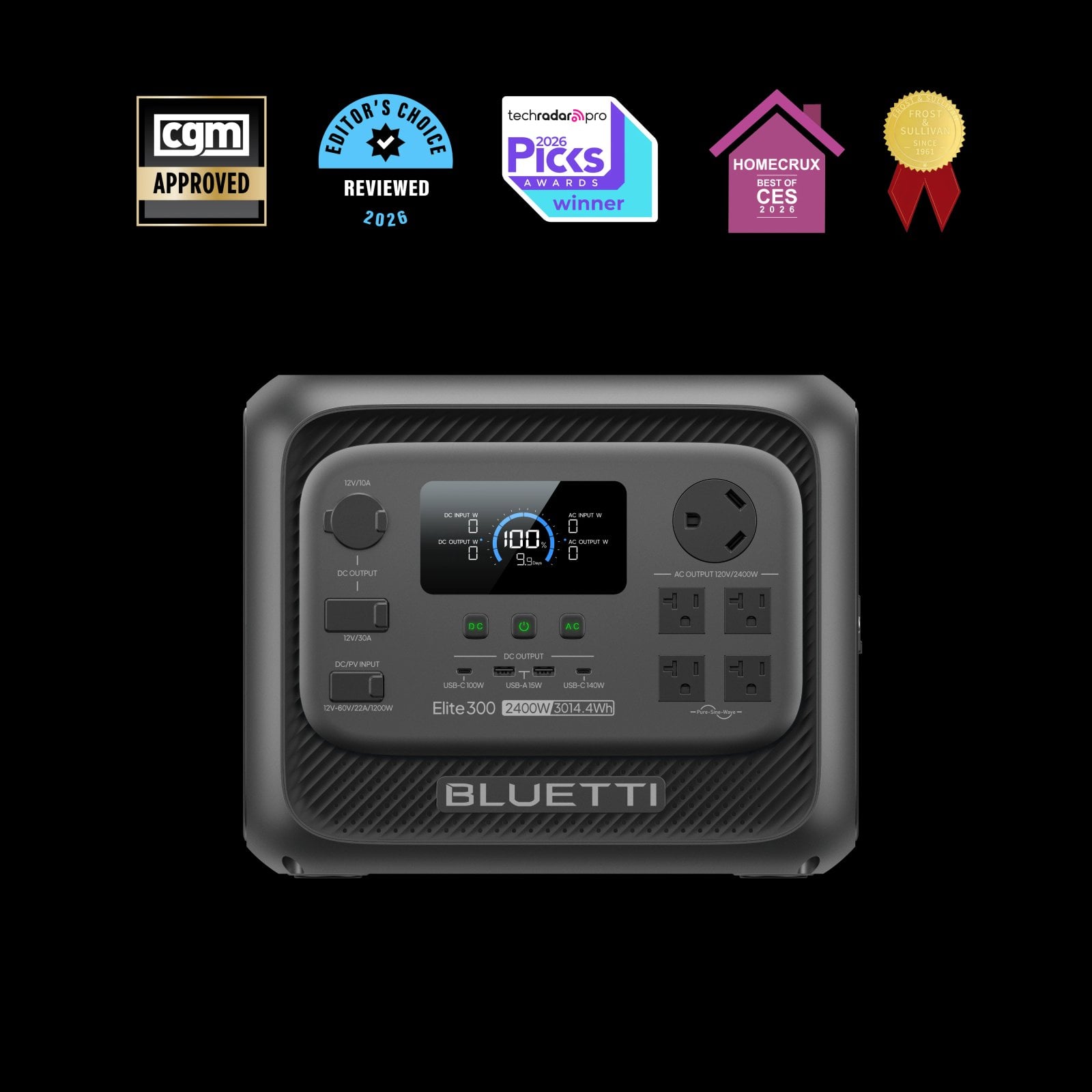
For buyers who want substantial portable storage but do not need an expandable platform, the Elite 300 gives a useful reference point. BLUETTI Canada lists it at 3,014Wh and 2,400W. Its capacity is in a similar broad class to the Apex 200, while the Apex listing emphasizes higher output and a path to much larger expansion. Your choice should follow the appliance mix and future setup, not just the bigger number.
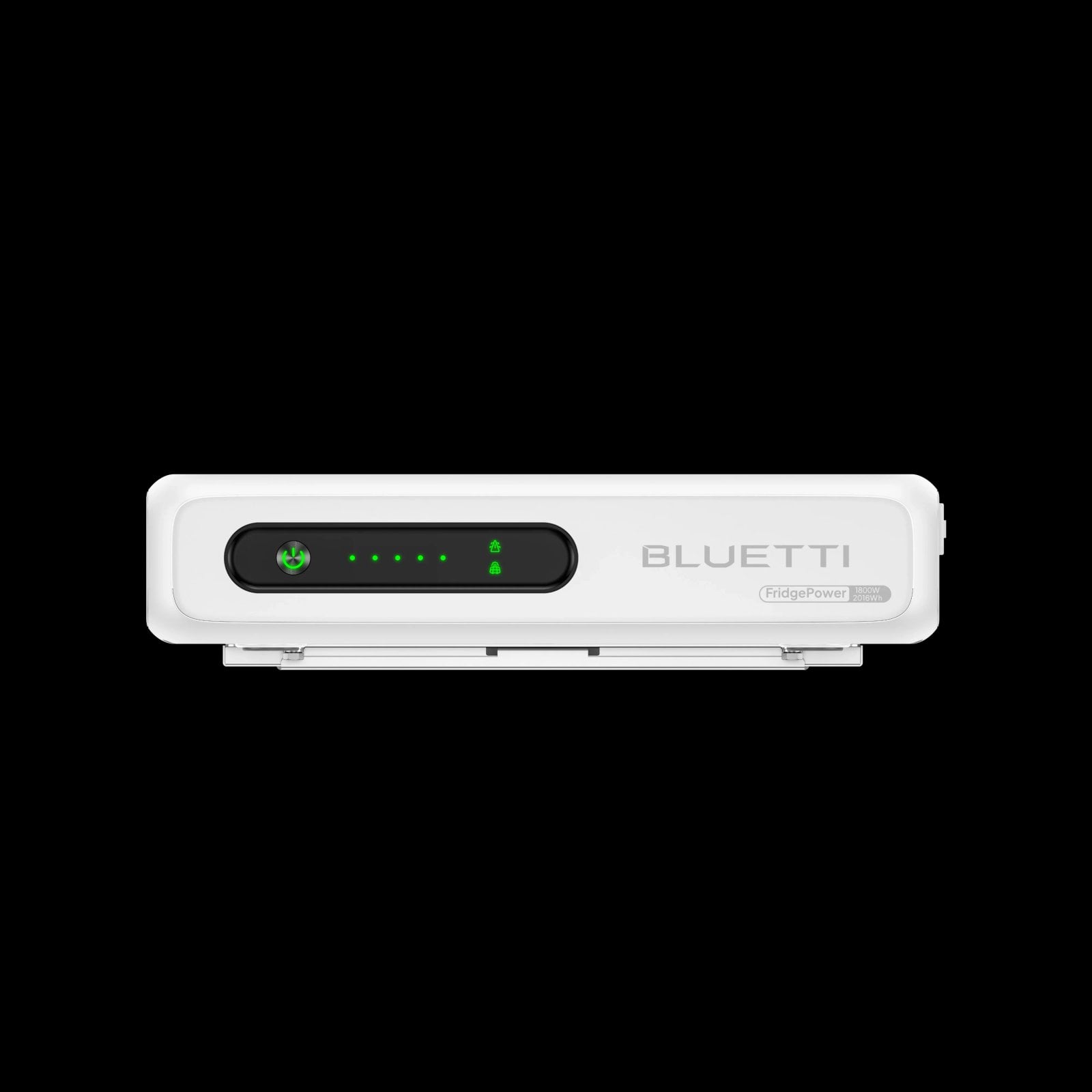
Different needs call for a different product altogether. FridgePower is marketed specifically for refrigerator backup, with the product description highlighting a slim design and fast UPS switching. Someone whose primary concern is preserving food and keeping a refrigerator circuit supported may prefer to explore FridgePower rather than assemble a general-purpose power station setup. Compare the supported refrigerator requirements and included components on its product page.
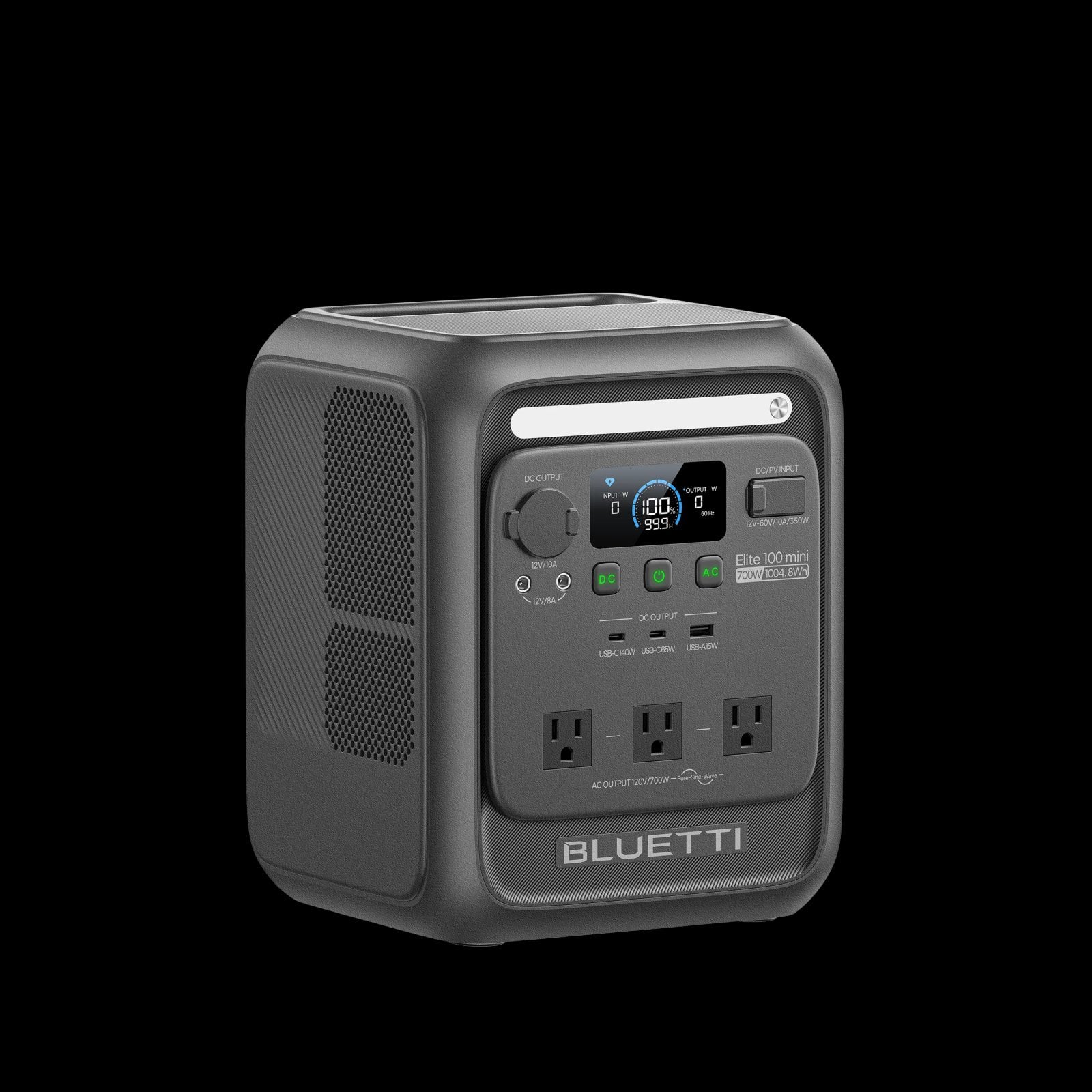
The Elite 100 Mini is another sign of the range’s breadth, listed with 1,004.8Wh capacity and 700W output. It is a more modest option for lighter loads and portable charging. These models provide context, but the Apex 200 remains the focus: it makes the most sense where higher output and a potential expansion path are real requirements.
Trade-offs to weigh
The strongest case for the Apex 200 is its combination of a substantial starting capacity, 3,200W stated output and room to expand. That gives a buyer a clear planning platform instead of a fixed small station. BLUETTI’s Canadian store also groups its products by use scenario, which can help shoppers discover whether home, RV or outdoor accessories belong in the configuration.
The limits follow from the same strengths. A larger station and expansion batteries demand more space, more setup thought and a larger budget than a compact unit. The maximum expansion figure is not a description of the base package, and solar input depends on compatible equipment and conditions. Weight and portability also matter if the unit will regularly travel between a vehicle, campsite and home. Review the product specifications and shipping details for the exact configuration before deciding.
- Strong fit: planned home backup, off-grid use, or a system expected to grow.
- Less compelling: occasional device charging, light camping loads, or buyers prioritizing minimum size.
- Check carefully: expansion compatibility, solar equipment, included cables and the physical placement plan.
→ See BLUETTI Apex 200 configurations
How should I size the Apex 200?
List each essential device, its running and startup draw, and the number of hours you want it available. Compare that load with the station’s output and capacity, then allow for conversion losses and appliance cycling. For a fixed home installation, ask a qualified professional to review the planned connections.
Does the base station include expansion batteries?
Do not assume so. The 33kWh figure refers to the stated expansion potential with compatible batteries. Check the exact Canada product page and selected bundle to see what is included in that configuration.
Is it a good choice for casual camping?
It can support outdoor use, but its capacity and expansion focus may be more than a light trip requires. Compare the Elite 300 or smaller Elite 100 Mini if portability and modest loads matter more than scaling a backup system.
Our take
The BLUETTI Apex 200 is most persuasive for buyers who can name the loads they need to support and value a route to a larger system. Its listed capacity, output and solar input give a strong basis for planning, while compatible expansion can extend the setup beyond the base unit.
Its honest limitation is that the headline expansion potential does not make the system simple or complete by itself: configuration, accessory compatibility, space and budget still need work. If you want portable power for a few light loads, a smaller model is likely a tidier fit. For deliberate backup or off-grid planning, review the current Canadian Apex 200 listing and verify each component before choosing.