
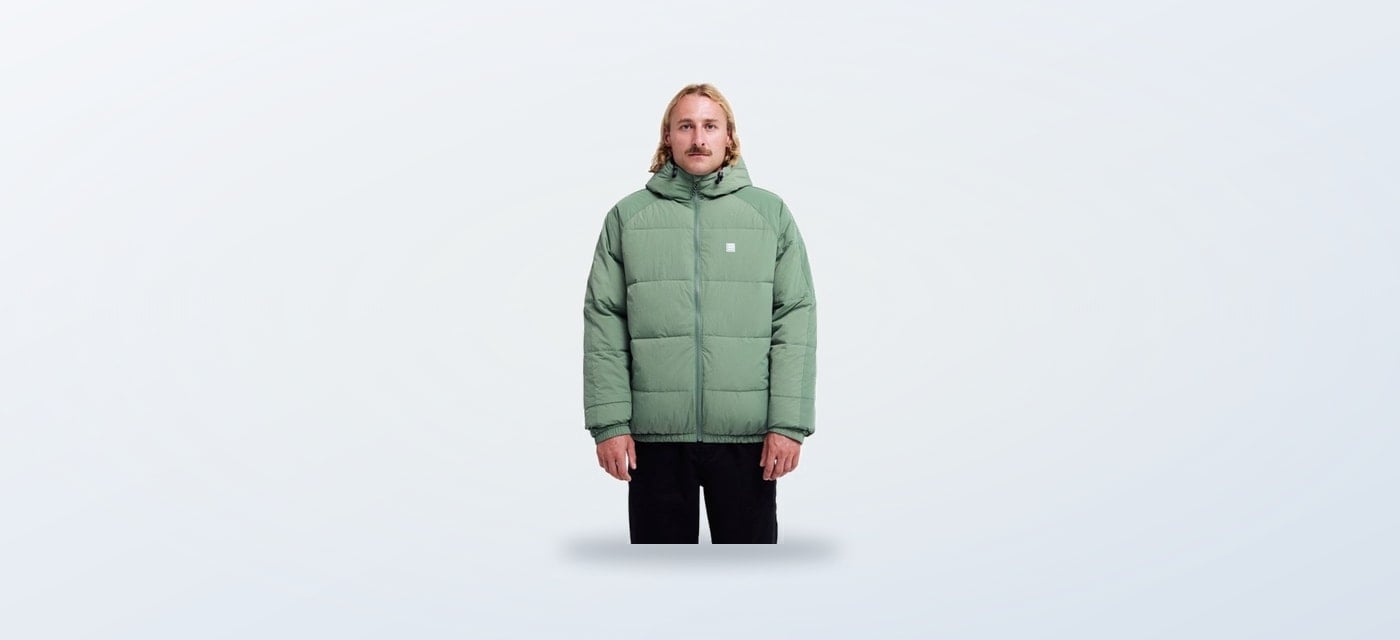
A practical guide to choosing Billabong men’s jackets for cold walks, changeable showers and winter days that need a more technical shell.
By November, a jacket has to do more than finish an outfit. A brisk dog walk, a windy station platform and a damp coastal afternoon can all ask for different things: warmth, room for a mid-layer, or protection from rain. Billabong’s UK men’s range covers several of those jobs, but the product names alone do not always make the trade-offs obvious.
We reviewed the UK product pages and collection listings to separate casual insulation from shell-led weather protection. This guide focuses on the decisions shoppers can make from the listed features, then points to the product pages for current sizes, full specifications and availability.
Disclosure: this post includes affiliate links, and we may be paid a commission on purchases made through them.
→ View Billabong men’s jackets
The short version
- For adaptable warmth: the Outland Reversible Puffer Jacket is the direct pick when a reversible design is useful.
- For a casual cold-weather layer: the Chore Sherpa Lined Work Jacket lists a cotton main fabric, sherpa lining and several pockets.
- For rainy days: compare the Contact 10K Waterproof Jacket with the Rainstorm 10K Shell Jacket.
- Check fit, fabric details and current stock on the UK product page before deciding; a warm jacket and a waterproof shell solve different problems.
Choose the job
Start with the weather you actually dress for. A cold but mostly dry commute favours insulation and a comfortable fit over a technical waterproof label. Frequent showers shift the priority toward a shell. A mixed week can justify a versatile outer layer that leaves room for a jumper underneath.
It helps to separate three needs before comparing products:
- Warmth first: look for insulated or lined construction and consider how much layering space you need.
- Rain first: look for waterproof or shell wording, then check the product page for the construction details behind it.
- Everyday versatility: weigh pocket layout, reversibility and how the jacket will work away from the shore.
The product pages do not present every jacket as an all-weather solution. That is a useful distinction: an insulated style may feel more appropriate on a cold dry day, but it should not be assumed to replace a purpose-built shell in persistent rain. Likewise, a shell may need a warm layer underneath when temperatures drop. Choose the role first and then narrow by cut, colour and current availability.
→ Compare Billabong winter jackets
Warmth for daily wear
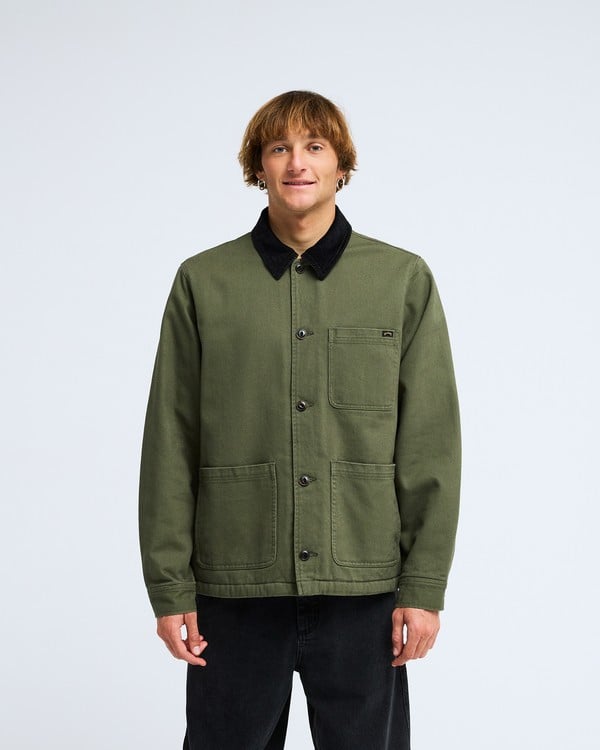
The Chore Sherpa Lined Work Jacket has the clearest everyday brief in this selection. Billabong lists a 100% cotton main fabric, sherpa lining, a chest pocket and dual-entry hand pockets. Those details suggest a casual jacket for ordinary cold-weather wear. A soft lining and useful storage matter more here than a high-output shell specification.
Its main limitation is clear: the listing does not identify it as waterproof. We would treat it as a warm casual layer rather than the only jacket for a forecast full of rain. Check the product page for the current fit information and any care guidance, and think about what you tend to wear beneath a lined jacket before choosing a size.
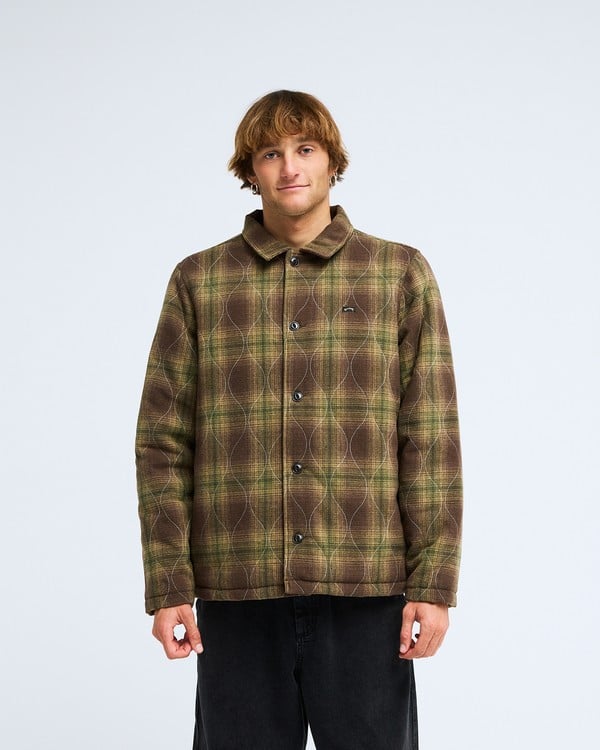
For another warmth-led direction, Billabong lists the Hills as an insulated plaid jacket. The Hills Insulated Plaid Jacket has a more patterned, shirt-jacket look in the listing, while the Chore leans into workwear styling. These are options for people who want visible insulation and relaxed styling. They are not the most weatherproof choices in the range.
The Outland Reversible Puffer is the most adaptable of the warm options here. Its product name confirms a reversible design, which gives it a practical appeal if you want one jacket with two sides to wear. Reversibility can add styling flexibility. It does not by itself tell you how warm the fill is or whether the jacket is weatherproof. Those are worth checking on the current listing.
Our quick picks from the warm end of the range are:
- Most flexible look: Outland Reversible Puffer.
- Most clearly described lining: Chore Sherpa Lined Work Jacket.
- Patterned alternative: Hills Insulated Plaid Jacket.
→ Check the Outland Puffer details
When rain leads
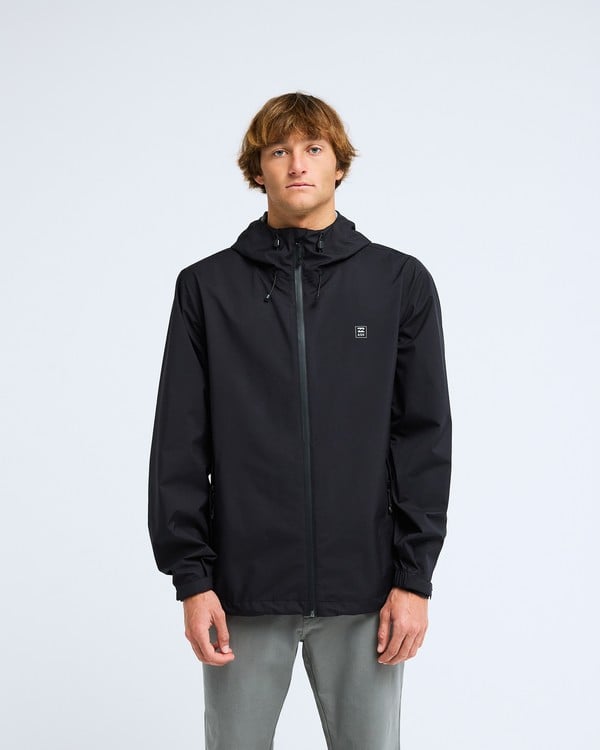
For a wet winter forecast, the range includes two shell options. The Contact 10K Waterproof Jacket is explicitly listed as waterproof, while the Rainstorm 10K Shell Jacket combines shell wording with the same 10K designation. These names make them more relevant starting points for rain than a lined work jacket or a puffer.
Use the product pages to compare the details that are not settled by the names: fabric construction, hood and cuff adjustments, pocket placement, lining, and whether the cut accommodates a warm layer. A waterproof label is useful, but comfort also depends on how the jacket closes around you and what you need to carry. Product pages can change, so confirm those points against the current UK listing.
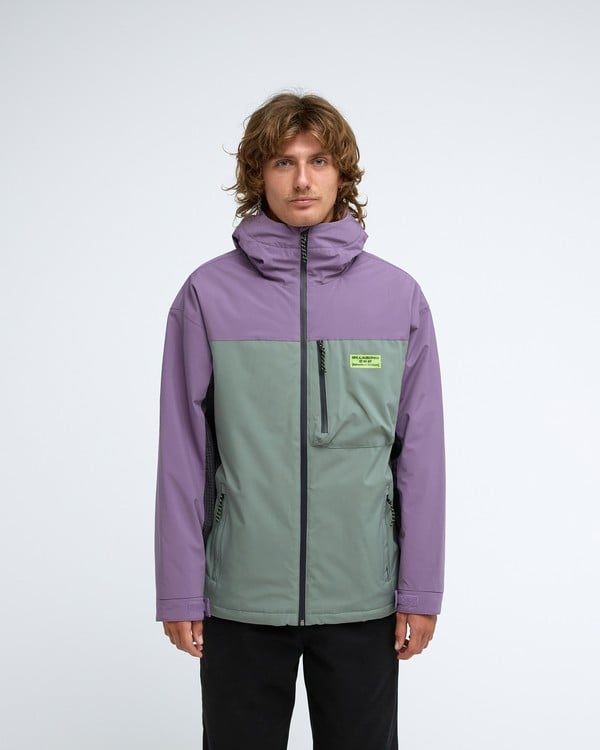
For everyday town use with occasional showers, either shell may be more technical than you need. But if you spend time outdoors in unsettled weather, it makes sense to inspect the shell specifications before settling on an insulated casual style. The Contact 10K gives you a coloured waterproof option; the Rainstorm 10K is listed as a black shell. The product pages are the place to verify fit and construction, rather than assuming the number alone answers every weather question.
→ View Billabong shell jackets
Compare the options
This compact comparison is a shortlist, not a claim that one jacket suits everyone. It uses the published names and specifications to clarify where to start, then leaves fit and full technical details to the current UK product pages.
| Style | Listed feature | Best starting point |
|---|---|---|
| Outland Reversible Puffer | Reversible puffer | Warmth with styling flexibility |
| Chore Sherpa Lined Work Jacket | Cotton outer, sherpa lining, pockets | Casual cold-weather wear |
| Contact 10K Waterproof Jacket | Waterproof shell listing | Rain-led days |
| Rainstorm 10K Shell Jacket | 10K shell listing | Technical shell shortlist |
Before you choose, check these points on the item page:
- Whether the jacket is insulated, lined or intended to sit over another warm layer.
- Which weather terms the listing actually uses, and what fabric construction it describes.
- How the fit and pocket layout suit your routine, from commuting to time outdoors.
- Whether the colour and size you want are currently available in the UK store.
Questions buyers ask
Is the Outland a waterproof jacket?
The UK listing identifies the Outland as a reversible puffer, but that name alone does not establish waterproof construction. Check its current product details if rain protection is essential, and compare a shell such as the Rainstorm 10K.
Which jacket is the warmest?
The product names and descriptions identify lined or insulated options, including the Chore, Outland and Hills. The pages do not provide enough consistent detail here to rank them by warmth, so compare their current construction and fit before deciding.
Can a shell work in cold weather?
It can be part of a cold-weather outfit if there is room for a suitable warm layer underneath. Check the Contact 10K or Rainstorm 10K product page for fit and construction details, then consider how you will layer for your own conditions.
Our take
For a cold but mostly dry routine, start with the Outland Reversible Puffer if you value its reversible format, or the Chore Sherpa Lined Work Jacket if the cotton-and-sherpa combination and pocket layout fit your day. For regular rain, compare the Contact 10K and Rainstorm 10K shells first.
The main limitation is that the store’s product names do not provide a consistent warmth or weatherproofing comparison across every style. Use them to narrow the shortlist, then verify the detailed fabric, fit and stock information on Billabong’s UK pages before choosing.