

Compare three Billabong suit tiers by thickness, zip style and the kind of UK sessions each is meant to serve.
Choosing a wetsuit often starts with a simple question: how much warmth is worth trading for easier movement? The UK range spans lighter 3/2mm suits through thicker 5/4mm options, with chest and back entries and some hooded designs in the mix.
We compared the store’s product information for three full suits: the 3/2mm Absolute Core, the 4/3mm Revolution Natural, and the 5/4mm Furnace Ultra Gullwing. Their thickness labels make a useful starting point, but fit, entry, hood coverage and the water you surf in matter just as much.
Disclosure: this post includes affiliate links, and we may be paid a commission on purchases made through them.
→ See current Billabong wetsuit options
The short version
- The 3/2mm Absolute Core is the lightest of these three full suits and has a chest zip.
- The 4/3mm Revolution Natural adds thickness while keeping a chest-zip format.
- The 5/4mm Furnace Ultra Gullwing offers the thickest listed build here, with a named Gullwing chest entry.
- Across the brand’s UK range, thickness, entry type and hood coverage change the comparison; the right pick depends on session conditions and fit.
Start with thickness
The quickest way to separate these models is by the numbers in their names. In a 3/2mm suit, the first figure refers to the thicker torso panels and the second to thinner areas; more thickness can help retain warmth, while less material can feel less restrictive. That is a general wetsuit comparison, not a Billabong performance guarantee: temperature, wind, session length and individual tolerance all affect comfort.
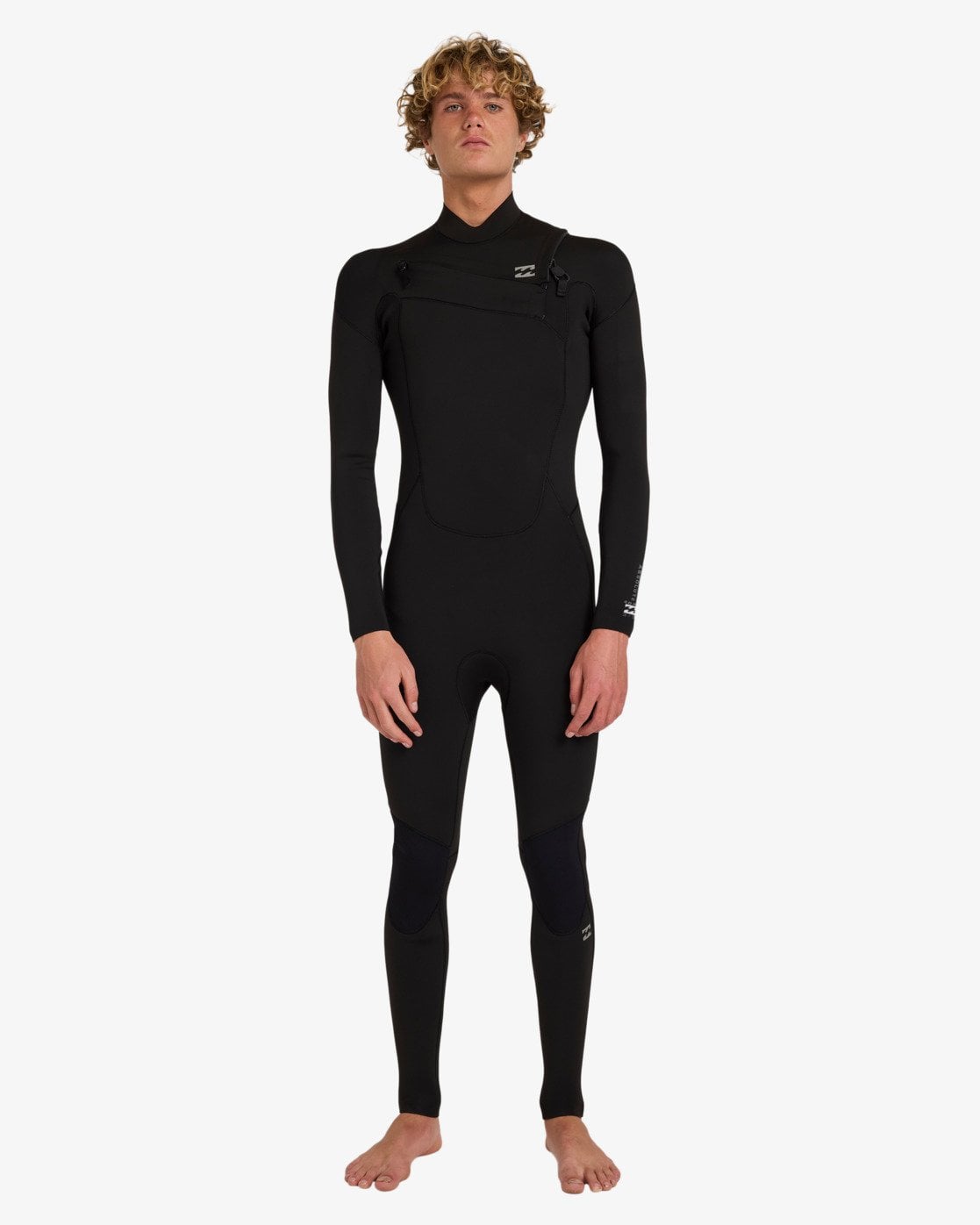
The 3/2mm Absolute Core is the logical starting point for surfers prioritising mobility or surfing in milder conditions. Its product listing identifies a chest zip, so it is not the simplest rear-entry layout in the range. The product page does not establish an ideal water temperature, so treat thickness as a comparison cue and check local conditions before deciding.
Stepping up, the 4/3mm Revolution Natural gives a millimetre more material through both named zones than the 3/2mm. For UK sessions where a lighter suit feels marginal, that middle tier may be a more balanced place to compare. It keeps a chest entry; Billabong’s page names the Revolution Natural model but does not provide a direct warmth rating against the other two.
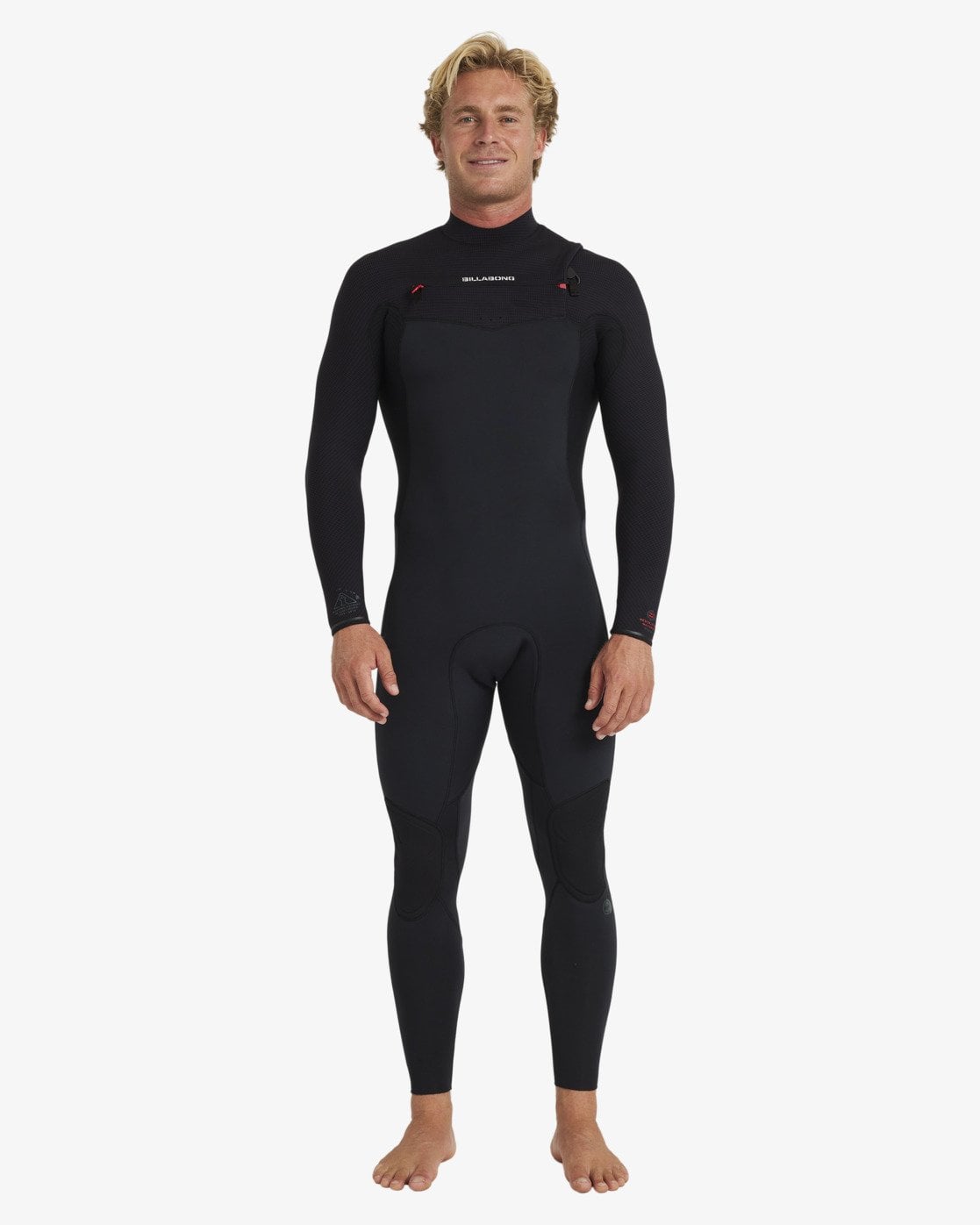
The 5/4mm Furnace Ultra Gullwing is the warm-leaning choice among these three by thickness alone. That extra thickness can suit colder sessions, but it is also the tier most likely to feel like more suit than needed in milder water. Consider the conditions you actually surf in, rather than choosing the thickest label as a default.
→ Compare current suit options at Billabong
Compare the details
| Model | Listed build | Entry | Relative fit |
|---|---|---|---|
| 3/2mm Absolute Core | 3/2mm full suit | Chest zip | Lightest tier here; more movement-oriented |
| 4/3mm Revolution Natural | 4/3mm full suit | Chest zip | Middle tier in this three-suit comparison |
| 5/4mm Furnace Ultra Gullwing | 5/4mm full suit | Gullwing chest entry | Thickest tier here; more insulation-oriented |
This is a compact comparison of listing details, not a claim that every other feature is identical. Check each current product page for size and construction details, colour choices and stock. Those details can vary by model and season, and they can matter more to comfort and value than a range name.
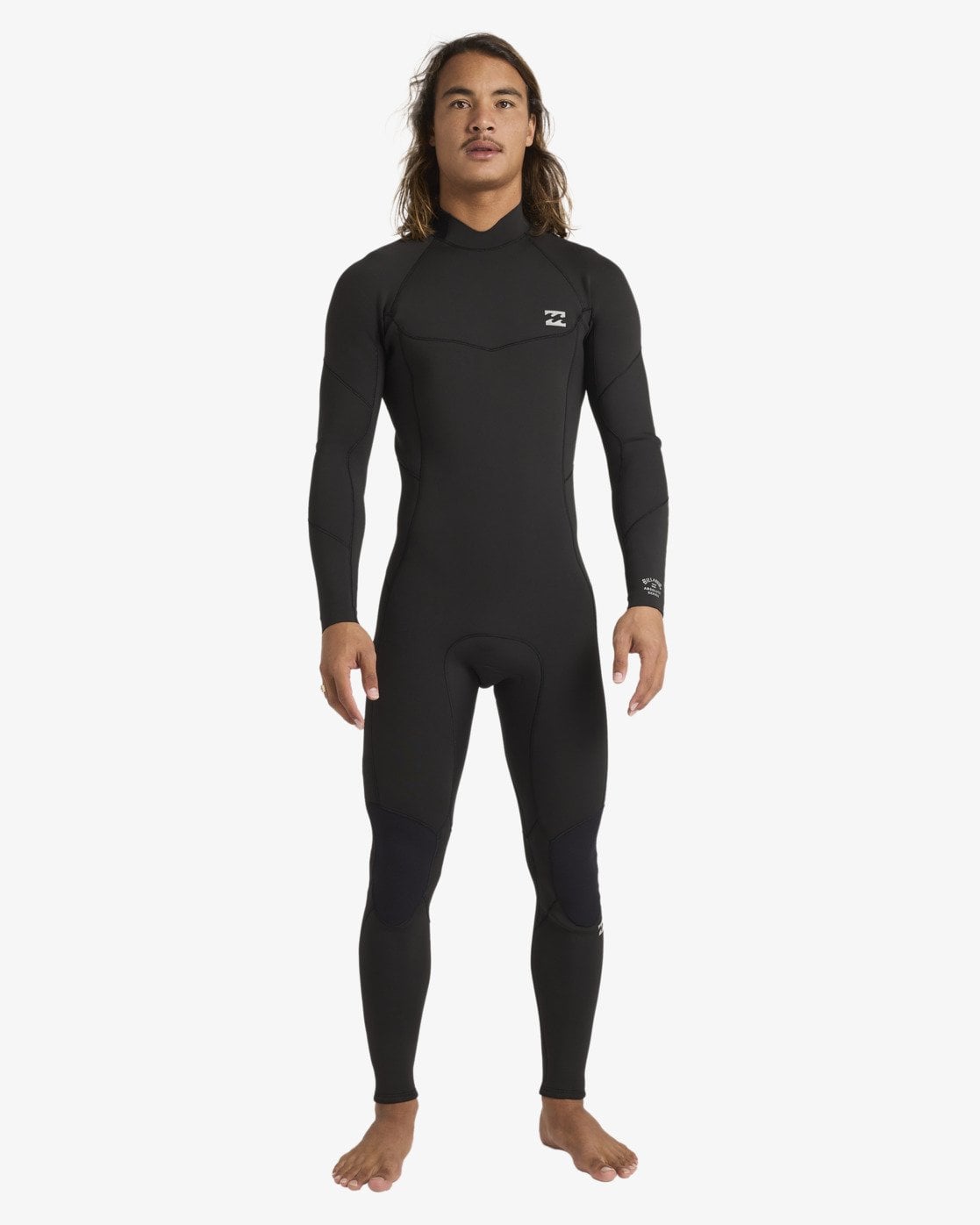
A typical alternative to a full suit is a spring suit or shorty, which covers less of the body and generally favours warmer water. Billabong lists separate spring-suit categories alongside its full suits. That may be a better category comparison for summer use than choosing the thinnest full suit, but less coverage also means less insulation. For colder water, a full suit remains the more relevant format.
- Choose coverage first: full suit for more coverage, spring suit when the water and season allow less.
- Use thickness as a starting point, then account for wind, time in the water and your own cold tolerance.
- Check fit closely: a loose seal can undermine comfort, while excess tightness can limit movement.
- Compare current construction and size details on the exact listing before settling on a model.
Entry and coverage
All three products here are described with chest entry, though the Furnace Ultra listing adds its Gullwing name to that design. Entry preference is personal: a chest zip can feel different to put on than a back zip, and the closure itself is one more detail to inspect in the product photographs and description. The site also lists back-zip suits, giving shoppers a real alternative if access is a priority.
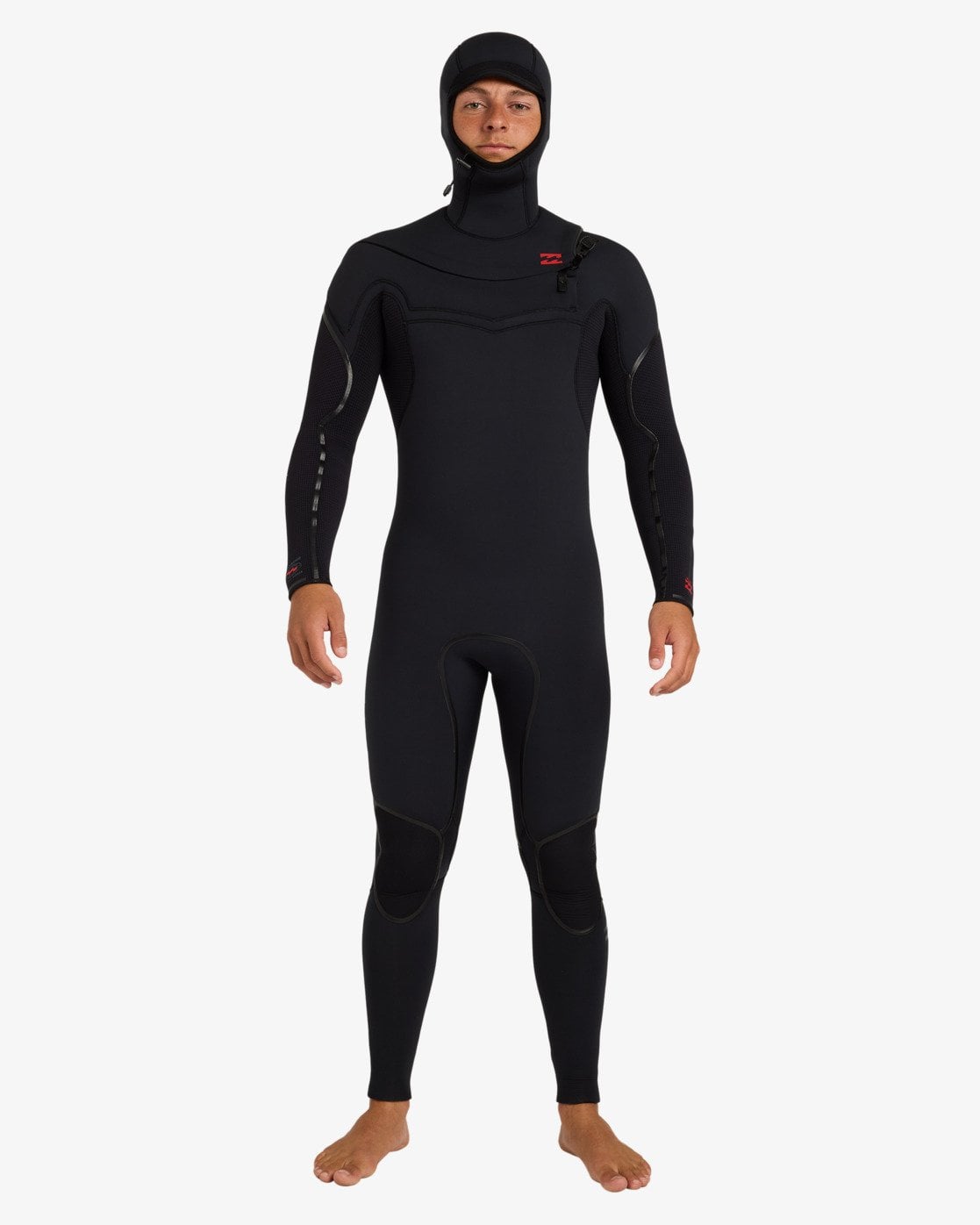
Coverage can change the choice too. Billabong’s range includes a 5/4mm Absolute Ultra hooded chest-zip suit, adding an attached hood to a thick build. It is a specific alternative for surfers seeking head coverage in colder conditions, but those features will be unnecessary for plenty of sessions. Compare the hooded option with the non-hooded Furnace Ultra Gullwing, rather than assuming one construction suits every trip.
For a more flexible everyday choice, the 4/3mm Revolution Natural‘s middle tier avoids the maximum thickness in this group. For a lighter feel, the 3/2mm Absolute Core is the clearest step down. Revisit the UK store range for other entry types and suit lines, but keep comparisons within equivalent thickness and coverage where possible.
→ View current Billabong wetsuit options
Price and fit checks
We are not quoting prices because they change, and a current comparison needs to be made on the store. Cost can reflect the model tier, material and construction, hood or entry features, and any current stock or colour selection. Compare the current listing totals for suits with similar thickness and coverage; comparing a hooded 5/4mm model against a basic 3/2mm suit by headline price alone will not tell you which is better value for your sessions.
Fit is the main limitation of any online comparison. The product page can state a size range and describe the closure, but it cannot tell us how a suit will sit on a particular body. Check Billabong’s sizing information, measure carefully, and read the UK store’s current return terms before ordering. If two sizes appear plausible, the right decision depends on the brand’s guidance and how a close-fitting suit should sit.
- Check the size guide and compare your measurements with its chart.
- Look for the exact entry and hood details on the colour and size listing you intend to choose.
- Review delivery and return terms, including any member conditions, before checkout.
Questions surfers ask
Is 5/4mm always the best UK choice?
No. It is the thickest tier among these three, so it makes most sense when extra insulation is useful. In milder water or for surfers who run warm, a thinner suit may be more comfortable. Session conditions and fit matter alongside the label.
What is the difference between chest and back zip?
They describe where the suit opens for entry. Billabong lists both styles across its UK range. Check the exact product listing and images, then weigh ease of entry against your own preference; the name alone does not establish how a suit will feel.
Should I choose a hooded wetsuit?
Only if attached head coverage fits your conditions and preference. The Absolute Ultra hooded listing combines a hood with a 5/4mm build; a non-hooded full suit is a simpler comparison for surfers who do not need that coverage.
Our take
For milder sessions and a lighter full suit, the 3/2mm Absolute Core is the straightforward pick. The 4/3mm Revolution Natural is the balanced middle option when you want more thickness without moving to the thickest tier. Choose the 5/4mm Furnace Ultra Gullwing when colder conditions make extra insulation the priority; consider a hooded alternative only if that coverage is useful.
The limitation is that thickness and product labels cannot settle fit or personal warmth needs. Check the size guidance and current features on the exact UK listing before choosing. Our use-case winner is the 4/3mm tier for a broad middle ground, with the thinner and thicker models taking the lead at either end of the conditions range.