

A considered introduction to Billabong’s surf roots, UK wetsuit lines and everyday clothing, with a practical way to decide where the range fits.
For a reader meeting Billabong for the first time, the name can suggest a surf label before it suggests a particular product. The more useful question is what the brand actually offers now; browse the Billabong collection alongside its brand story, and how its surf identity translates into choices for people who spend time in the water as well as those who want casual clothing shaped by that culture.
We reviewed the UK storefront and its listed product information for this introduction. The clearest thread is functional surfwear: wetsuits arranged by thickness and construction, alongside clothing and accessories connected to beach and board culture.
→ View the the UK Billabong store collection
Disclosure: this post includes affiliate links, and we may be paid a commission on purchases made through them.
The short version
- Billabong is a surfwear brand whose UK range includes wetsuits, clothing and accessories.
- Wetsuit listings cover 3/2 mm, 4/3 mm and 5/4 mm thicknesses, with chest-zip, back-zip and hooded designs.
- The Synergy, Salty Dayz and Absolute Ultra lines give useful examples of lighter, midweight and colder-water coverage.
- Fit, water temperature, session length and the product’s construction matter more than a line name alone.
A surfwear identity
Billabong’s public identity is rooted in surfing, and that origin is visible in the way the UK shop is organised. Wetsuits are not a side note: they are grouped by warmth, entry style and product family. Around them sits a broader selection of surf clothing and accessories, which gives the brand a role beyond specialist equipment.
That combination is relevant to a first-time reader because it explains why the same label can appear on a technical suit and on everyday pieces. The product pages are the more dependable guide to intended use than a broad brand image. A wetsuit listing gives tangible details such as thickness and zip placement; a clothing page needs to be considered on its own fit, fabric and care information.
The Billabong Crew programme page also presents the membership with shipping and returns benefits for members. Treat those as stated programme terms and check the current UK page for eligibility and conditions before relying on them. The useful point is that the storefront includes a service layer as well as merchandise.
Reading the range
The wetsuit categories make a practical starting point. The UK store lists 3/2 mm, 4/3 mm and 5/4 mm options. Thickness is a useful warmth clue, but not a complete answer: local conditions, how long you stay in the water and your own tolerance for cold all affect the right choice.
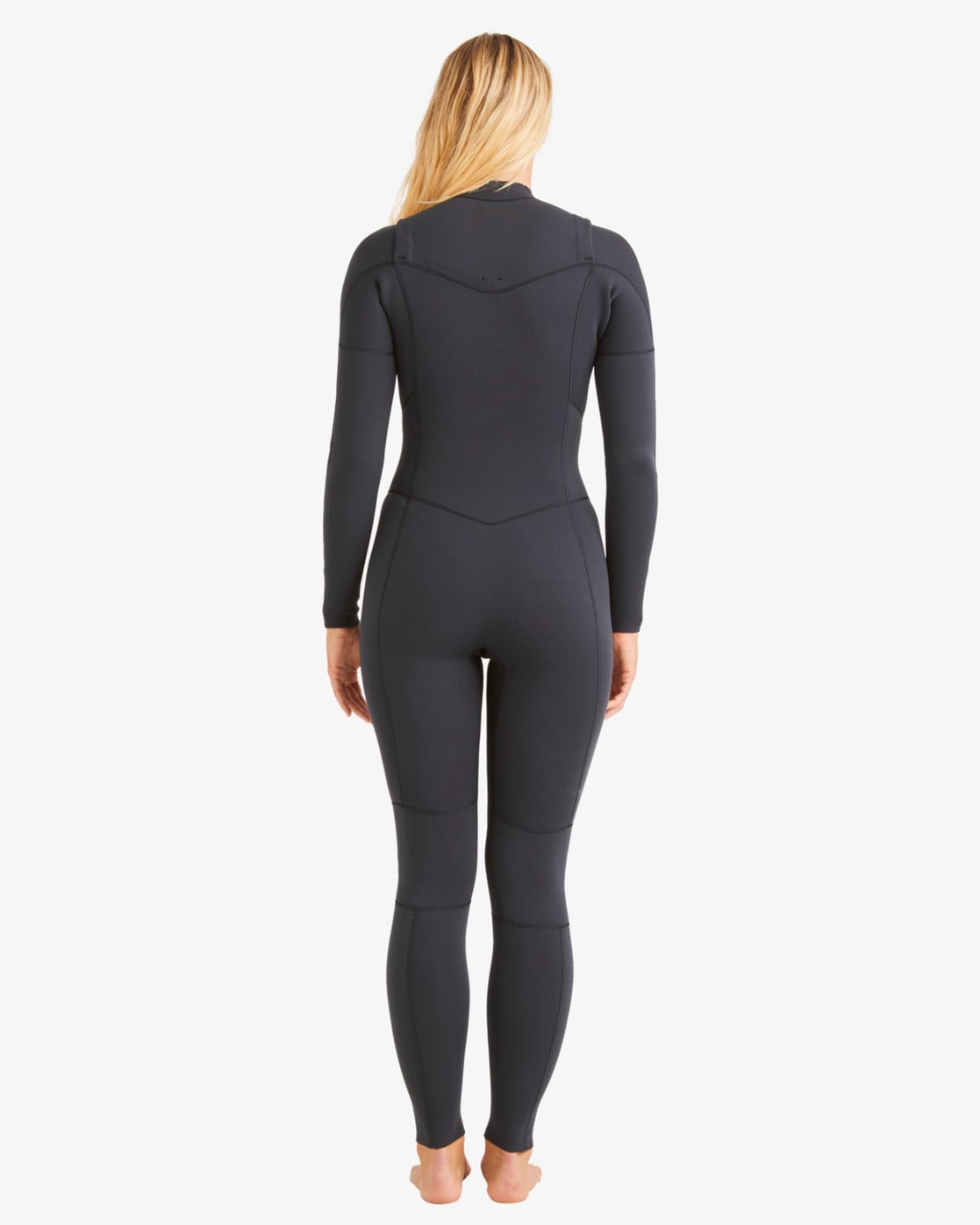
The 3/2mm Synergy Natural Grey Chest Zip Wetsuit is a lighter-thickness example in the women’s range. Its chest-zip construction distinguishes it from back-zip alternatives. It may be a sensible line to investigate for milder conditions, but check the product’s own fit notes and the water temperatures you expect rather than treating thickness as a guarantee.
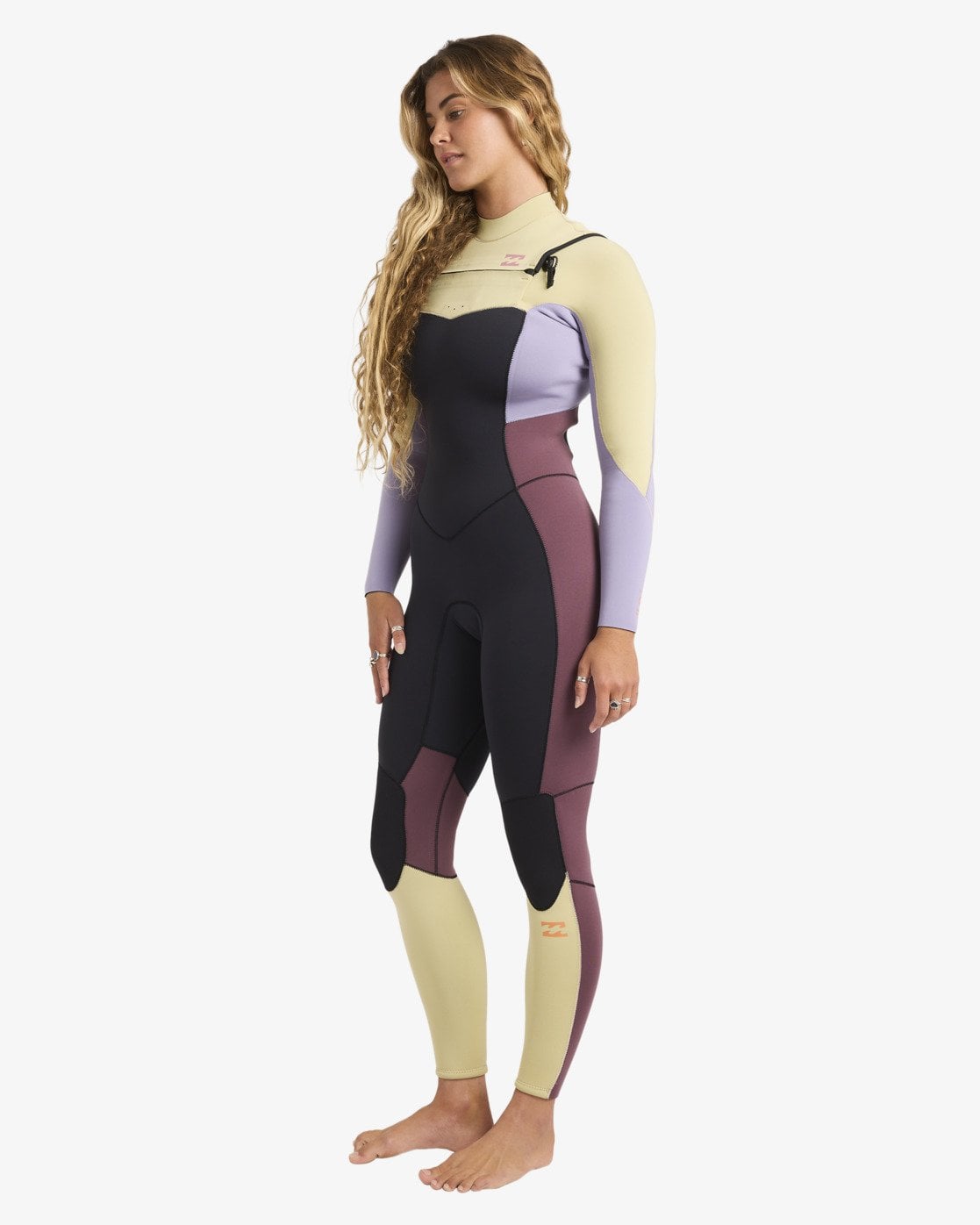
For another 4/3 mm option, compare the Salty Dayz listing. The 4/3mm Salty Dayz Black Chest Zip Wetsuit sits between that lighter example and the thickest suits in the range. Its listed thickness makes it a useful comparison for surfers looking for more coverage while avoiding a hooded cold-water design. Do compare the size guidance carefully: a close seal depends on fit, and an uncomfortable suit can undermine the benefit of added warmth.
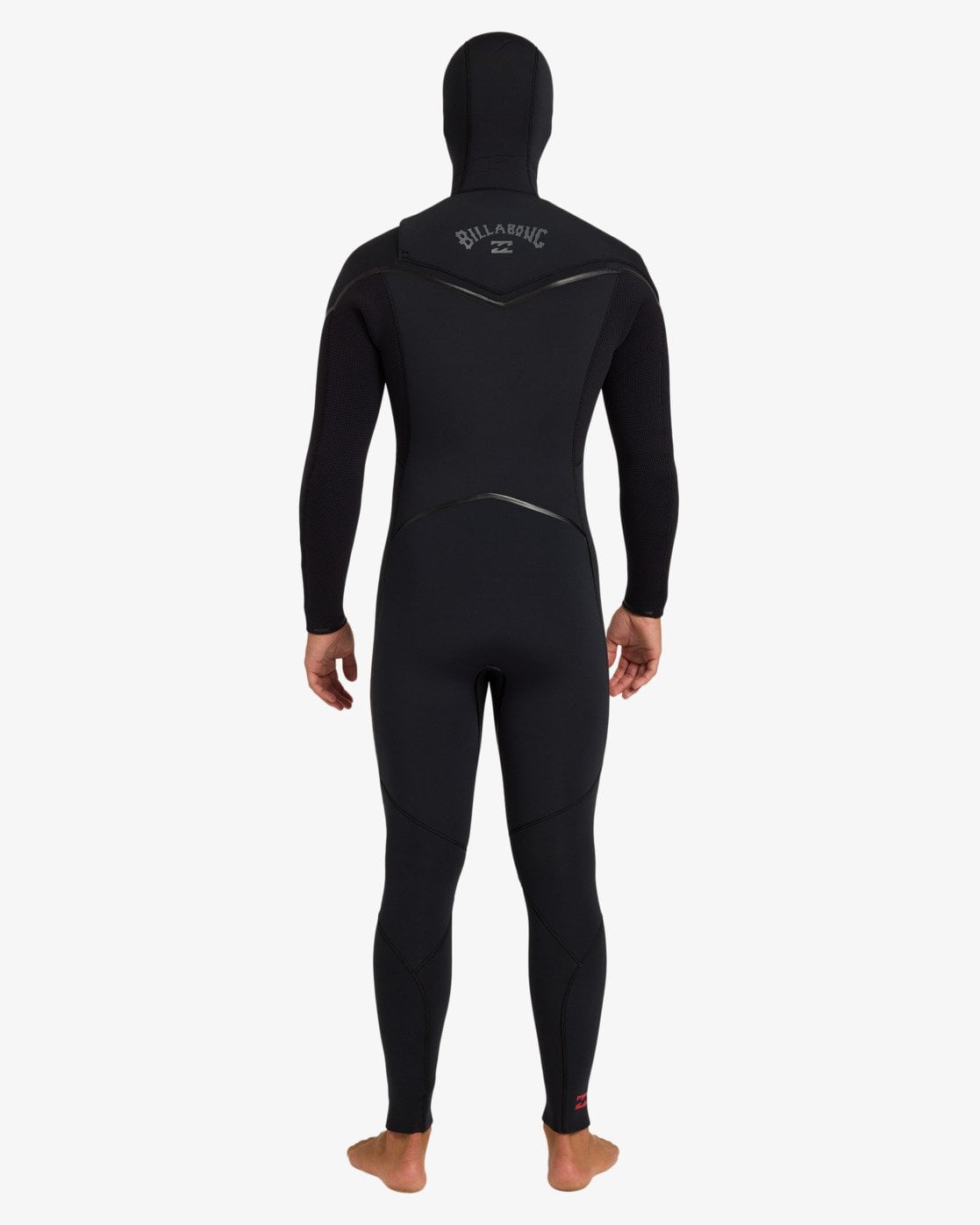
For colder-water browsing, see the thicker wetsuit options. At the colder end, the 5/4mm Absolute Ultra Hooded Chest Zip Wetsuit combines a thicker build with an integrated hood. That makes its intended use distinct from a standard 3/2 mm suit. The extra coverage will not suit every session or every surfer, so consider both conditions and mobility before choosing it.
- Milder water: start by comparing the 3/2 mm listings and their fit details.
- Changeable conditions: consider 4/3 mm options such as Salty Dayz, then check the product guidance.
- Cold sessions: look at thicker suits and whether a hood or other accessories make sense for your conditions.
Beyond the wetsuit
A brand introduction should not reduce Billabong to one technical category. The Billabong clothing and accessories range also carries surf clothing and accessories, making the label relevant to readers whose connection with surfing is more about beach days, travel or casual style than regular cold-water sessions. That wider range is where the brand story becomes more visible in everyday terms.
For those pieces, use the product page rather than the label as your decision tool. Check the fabric composition, silhouette, care instructions and sizing information, and think about how often the item will be worn. The same practical approach applies across the assortment: a recognizable surf identity can guide your search, but materials and details establish whether a particular item earns a place in your wardrobe.
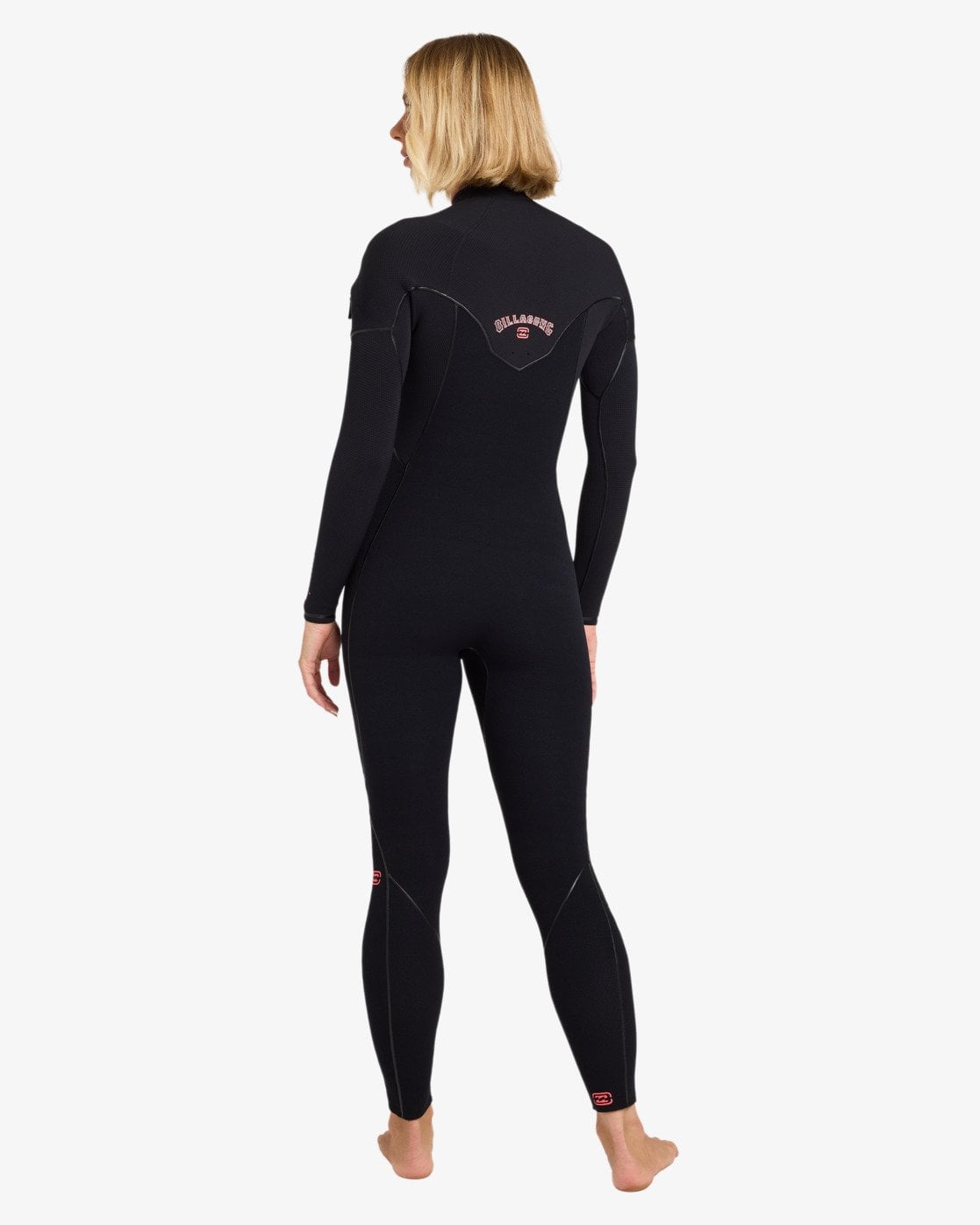
On wetsuits, the line names are useful signposts but do not replace the specification. A Furnace model, for example, should be judged from its own listed construction and thickness. Billabong’s UK range spans multiple suit families, so compare the details on the exact product page before deciding that two similarly named suits are interchangeable.
→ View the Billabong surfwear range
Choosing with context
For a first purchase, narrow the decision before browsing every colourway. Start with the activity and conditions, then shortlist the construction that matches them. A suit bought for infrequent summer use has a different job from one intended for repeated winter sessions, and those demands affect how much warmth and coverage are worthwhile.
- Estimate the water conditions and the length of your typical session.
- Compare thickness and entry style on the UK product listings.
- Read the size guide and product-specific fit notes before selecting a size.
- Check delivery, returns and any membership terms on the current store pages.
Cost is best compared through the current product listings, since it varies by model and features. Look at the material and construction information alongside the listed price, and compare like with like: a hooded cold-water suit is not directly equivalent to a lighter suit for milder conditions. We would also check that the chosen model’s size range and return terms suit your needs before committing.
Questions readers ask
What is Billabong best known for?
Billabong is a surfwear brand. Its UK storefront pairs technical surf products, including wetsuits, with clothing and accessories that carry the same beach and board culture identity.
Which wetsuit thickness should a beginner compare?
Start with the expected water conditions and session length, then compare the store’s 3/2 mm, 4/3 mm and 5/4 mm options. Thickness is only one factor; fit and construction matter too.
Does Billabong Crew include shipping benefits?
The UK store describes shipping and returns benefits for Billabong Crew members. Check the current programme details for eligibility and terms, since these can define how the benefit applies.
Our take
Billabong’s range has a clear point of view: it connects surf culture with practical equipment and everyday clothing. The wetsuit line is the most straightforward place for a new reader to understand the product logic, because thickness and construction provide tangible ways to compare models. We would begin with conditions and fit, then use line names to narrow the field.
The limitation is breadth: a broad surfwear assortment means the brand name alone cannot tell you whether an item is right for your use. Read each product page closely, especially sizing and construction, and confirm current store terms. For readers drawn to surf-led clothing or a wetsuit range with several warmth levels, Billabong is worth exploring with those checks in mind.