
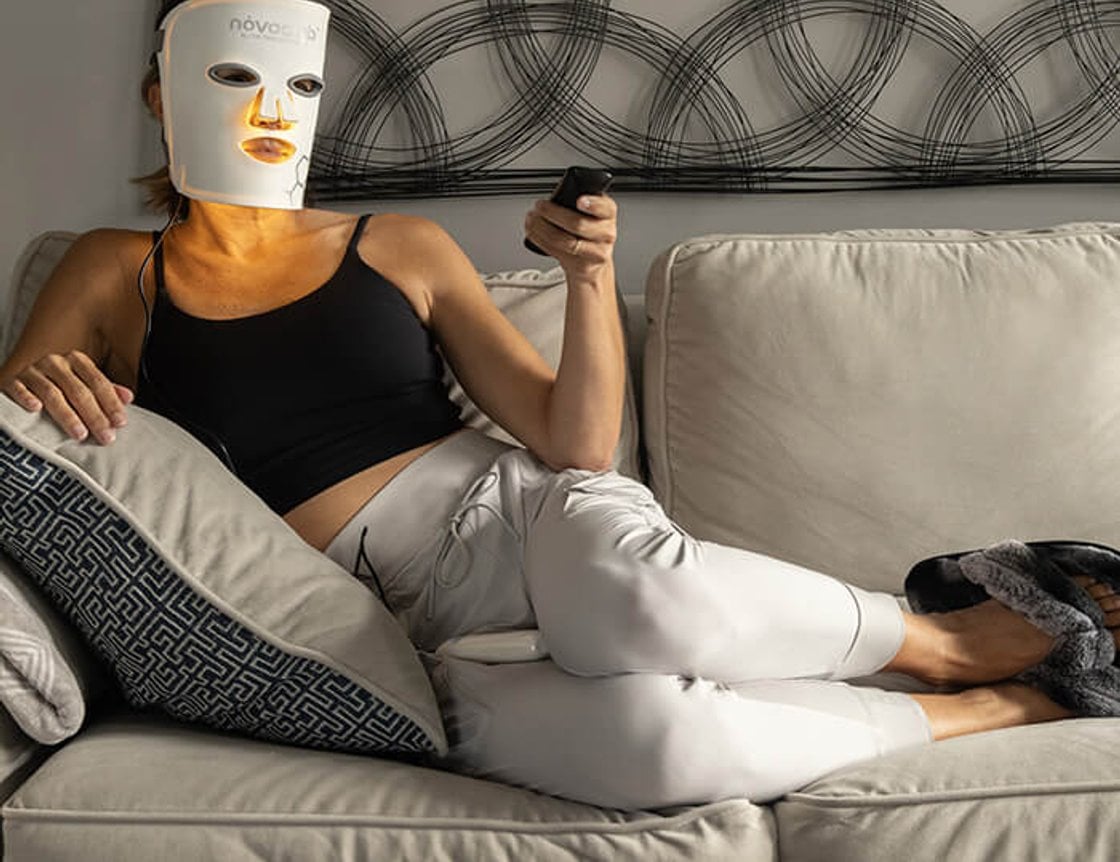
A research-led look at NOVAALAB LLC’s device formats, the claims its product pages make, and the readers who may find them practical.
Format is the first decision. At-home red-light devices are sold in shapes that can make very different routines look interchangeable. A flexible pad, a larger area pad and a targeted handheld tool each ask for a different kind of commitment. We reviewed the information on NOVAALAB LLC‘s United States product pages to see where its range is clear, where the details leave questions, and which shopper might find each format sensible.
The central point is simple: these are home-use devices presented around light exposure and convenience, not a substitute for a clinician’s advice. Product specifications can help with choosing a format, but they do not by themselves show that a device will treat an individual health condition.
Disclosure: this post includes affiliate links, and we may be paid a commission on purchases made through them.
→ Check current NOVAALAB LLC device options
The short version
- Novaa Light Pad suits shoppers who want a flexible device to place over a chosen area.
- Novaa Deep Healing Pad XL is the larger pad option for people prioritizing coverage in one setup.
- Novaa Extra-Strength Healing Laser is a targeted alternative, with a different placement and handling routine.
- Evidence limits matter: product descriptions are useful for features, but are not independent proof of medical outcomes.
Device design choices
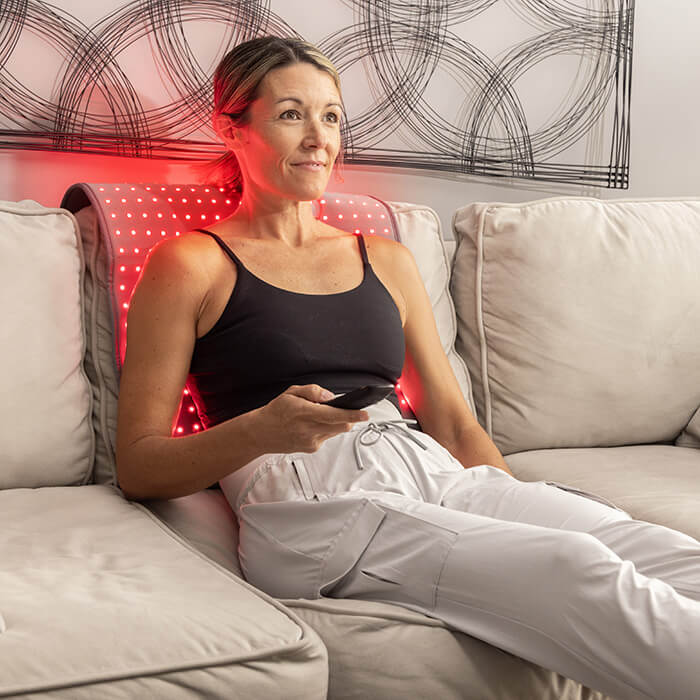
NOVAALAB LLC makes the format choice unusually visible. The Novaa Light Pad is a flexible pad intended to sit against a selected body area. That makes it easy to picture in a home routine than a fixed appliance: the user chooses where to place it and can store it between sessions. The trade-off is that coverage is tied to the pad’s footprint and placement. It is not a whole-body panel.
For a larger pad, the Novaa Deep Healing Pad XL gives buyers a straightforward step up in coverage. The Novaa Deep Healing Pad XL listing presents it as a pad format rather than a different category of treatment. That distinction is useful. A bigger surface can reduce repositioning for a broader area, but it also needs more storage and a comfortable place to use it. Larger does not automatically mean more effective for every goal.
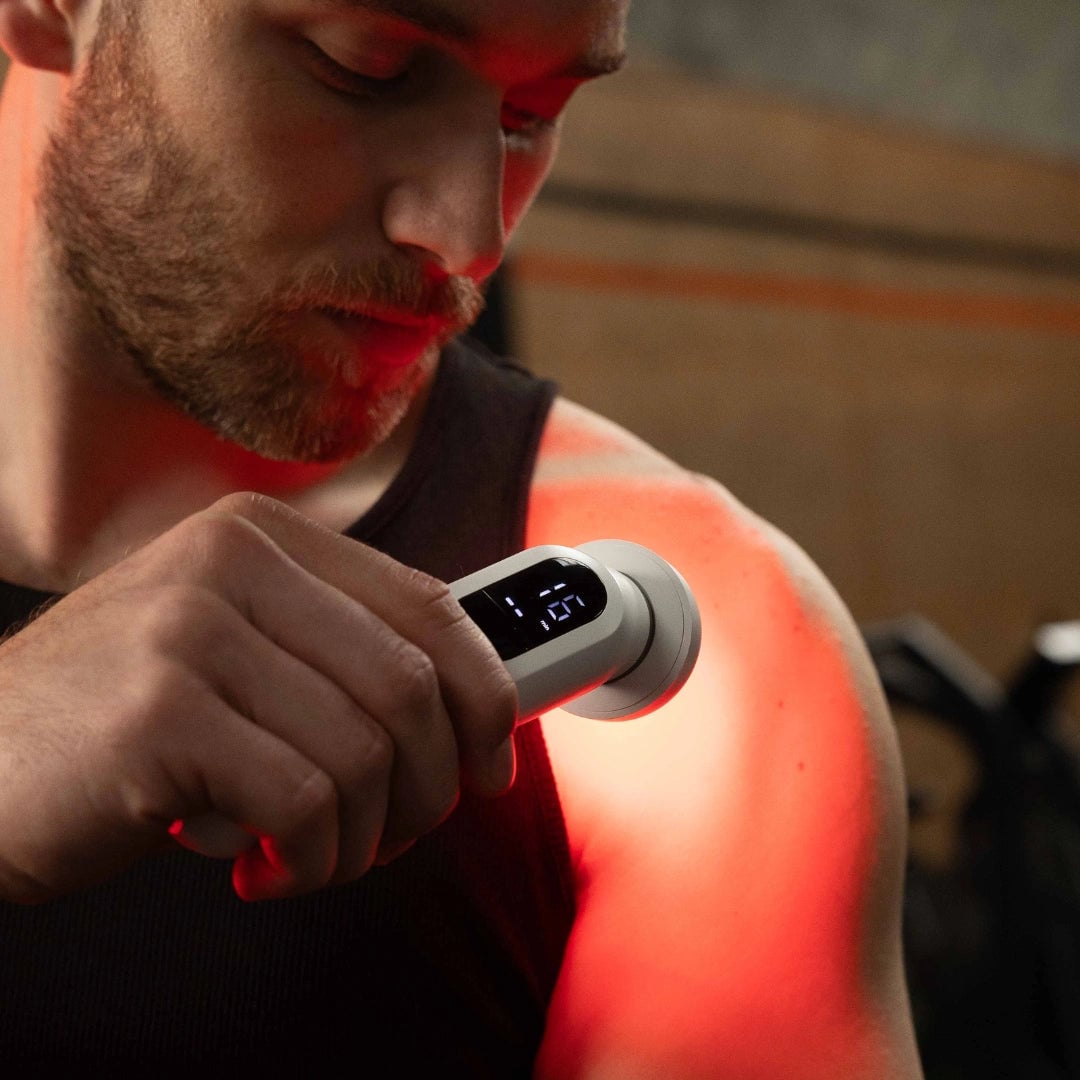
The third format, Novaa Extra-Strength Healing Laser, points toward more focused use. It may appeal to someone who wants to direct a device at a smaller area instead of arranging a pad. Targeted devices can require more deliberate positioning, so convenience depends on the use case rather than the product name. Before choosing it, check the laser product page for operating instructions and the areas it is intended to address.
In practical terms, the formats divide like this:
- Choose a standard pad when adaptable placement matters more than broad coverage.
- Consider the XL pad when a larger contact area is the deciding feature.
- Look at the laser when a focused device fits the intended routine better than a wrap or pad.
Details that matter
The strongest part of the range is that each page gives shoppers a concrete object and use format to evaluate. With the Novaa Light Pad, the choice is not just “red light” in the abstract; it is a flexible surface and a placement routine. With the XL version, the practical question becomes whether the larger footprint is worth accommodating. That is real decision support, even when it does not settle the question of results.
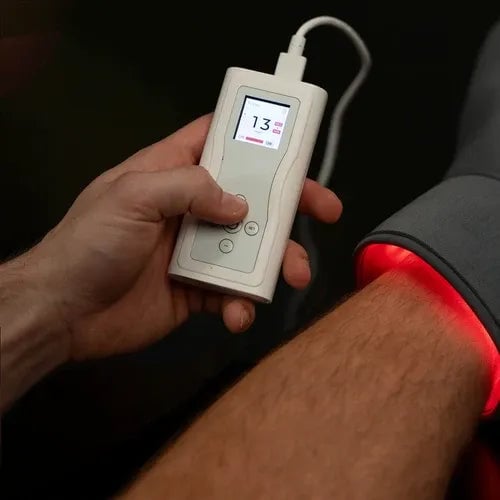
We would compare the listed dimensions, included accessories, power or charging setup, cleaning instructions and session guidance before buying. Those details shape day-to-day usefulness more directly than broad wellness language. The Light Pad page, XL Pad page and laser page are the right places to confirm them, since specifications and included items can change.
One positive is range choice: shoppers are not pushed toward a single device size. Another is that the pages identify specific models, which makes it easier to compare the intended coverage and format. Still, the shared category label can blur meaningful differences. A buyer should match the device to a defined routine rather than assume every red-light product serves the same purpose.
→ Compare NOVAALAB LLC pad formats
Reading the claims
Product pages are brand materials. They can tell a reader what NOVAALAB LLC says a device contains or how the company intends it to be used, but they are not independent clinical evaluations. We found enough product information to compare form factors, but not enough to treat marketing descriptions as proof of a specific health outcome. The cautious standard is to separate listed features from outcome claims about what it will do for a person.
That distinction matters most for shoppers considering a device for pain, injury, a diagnosed condition or a persistent symptom. In those cases, ask a qualified health professional whether light-based treatment is appropriate, and follow the device’s safety guidance. Avoid using a consumer product as a reason to delay established care. Buyers should also check contraindications and instructions, especially if they have photosensitivity or use medicines that affect light sensitivity.
- Read the instructions and safety notes before use.
- Check whether the coverage, positioning and session steps fit the routine you can realistically maintain.
- Confirm warranty, shipping and return terms on the store before deciding.
Costs can vary with device size, design and included components, so a fair comparison should use the current store listings rather than old third-party figures. We are not quoting prices here because they can change. If a product page does not answer a key question, contact the brand before checkout and keep the response alongside the listing details.
Routine trade-offs
Novaa Light Pad looks like the most flexible starting point for someone who already knows the area they want to cover and prefers a pad that can be repositioned. The XL format is more compelling when its added surface area solves a real setup problem. The targeted laser is for a reader who wants a smaller, directed tool and is comfortable following specific placement instructions.
There is less reason to choose by strongest-sounding label alone. A device should fit storage, placement and care instructions for the intended use. People seeking a medically supported treatment plan should prioritize professional advice and independent evidence over a brand’s claims.
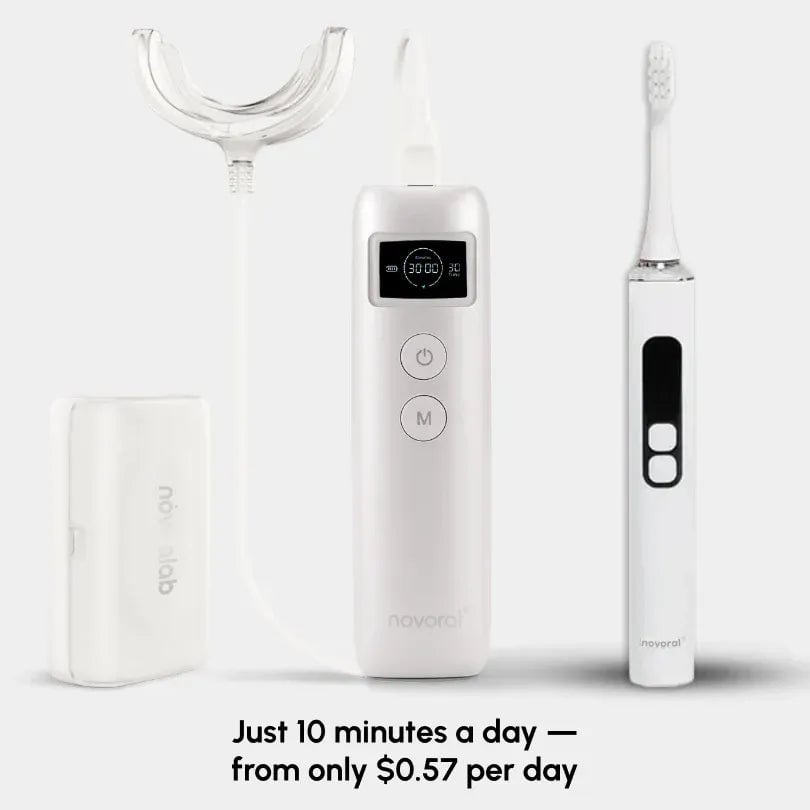
The catalog also reaches outside these three red-light formats, including oral-care and other wellness products. That breadth may be convenient for shoppers who want to browse one brand, but it makes category-by-category scrutiny important: a broader store does not mean the products share the same evidence base or practical purpose.
→ Review NOVAALAB LLC product details
Questions to resolve
Are the pads interchangeable?
No. The standard pad and XL pad differ in size and therefore in coverage and storage needs. Compare the exact dimensions and instructions on each listing before choosing.
Does a product page prove a treatment works?
No. A product page describes the brand’s offer and specifications. It is not independent evidence that a device will deliver a particular result or treat a condition.
What should I check before ordering?
Review the intended use, safety instructions, device dimensions, included accessories, warranty, shipping and return terms. Ask a healthcare professional about suitability when your reason for use is medical.
Our take
NOVAALAB LLC has a useful range of formats, and its pad-versus-targeted-device split gives shoppers a practical way to narrow the choice. The Novaa Light Pad is the flexible general option, the XL pad emphasizes coverage, and the Extra-Strength Healing Laser is the focused route. We recommend choosing only after matching one of those formats to a specific routine and checking the current instructions and store terms.
The main limitation is evidential: features are not proof of benefit. Readers looking for a convenient home device may find the product range worth comparing; anyone seeking treatment for a condition should bring a clinician into the decision.