

We examine Building Materials’ product range, trade-first buying model and practical limits so you can decide whether it fits your next project.
Buying construction materials online is rarely about finding one attractive product. The useful question is whether a supplier has the right categories, specifications, delivery information and account support for the job in front of you.
We reviewed the store’s public range and product pages, focusing on the details that affect a trade order: dimensions, material type, application, pack coverage and the route from product enquiry to delivery.
Disclosure: this post includes affiliate links, and we may be paid a commission on purchases made through them.
→ Check the current Building Materials range
The short version
- Building Materials covers structural materials, timber, flooring, insulation, plasterboard, ceilings and commercial systems.
- The store says it supplies the construction and development trade and reviews orders for eligibility.
- Specific listings such as Structural Graded C24 Treated Timber and Caber T&G P5 Chipboard Flooring make the range easier to assess.
- Cost is shaped by dimensions, thickness, coverage, quantity, delivery and account terms, so the live listing matters.
- The clearest fit is a trade buyer who values range and product support over a DIY-focused checkout.
The store model
Building Materials presents itself as a supplier for construction and development businesses rather than a general home-improvement shop. Its navigation covers everything from aggregates and cement to timber and joinery, insulation and commercial flooring.
That breadth is the central strength. A buyer planning several parts of a project can investigate related materials within one catalogue, including plaster and plasterboard, metalwork and roofing.
There is also a meaningful limit. The store states that it supplies the construction and development trade only, and that orders are reviewed. Its notice says non-trade or DIY orders below its stated threshold may be cancelled and refunded. That makes customer status an early buying criterion, not a footnote.
- Range: broad coverage across building fabric, structure and finishing work.
- Support: dedicated delivery, returns, trade account, credit and contact pages.
- Constraint: the store is designed around trade purchasing and order review.
- Decision point: confirm project eligibility before building a basket.
→ Check current Building Materials product options
Product range
The product pages are most useful when read as specification sheets. The Structural Graded C24 Treated Timber 100mm x 47mm listing is a clear example: it names the grade, treatment and section size, while its options vary by length. That is useful for structural or studwork planning, but it also means the selected length changes the final cost and delivery calculation.
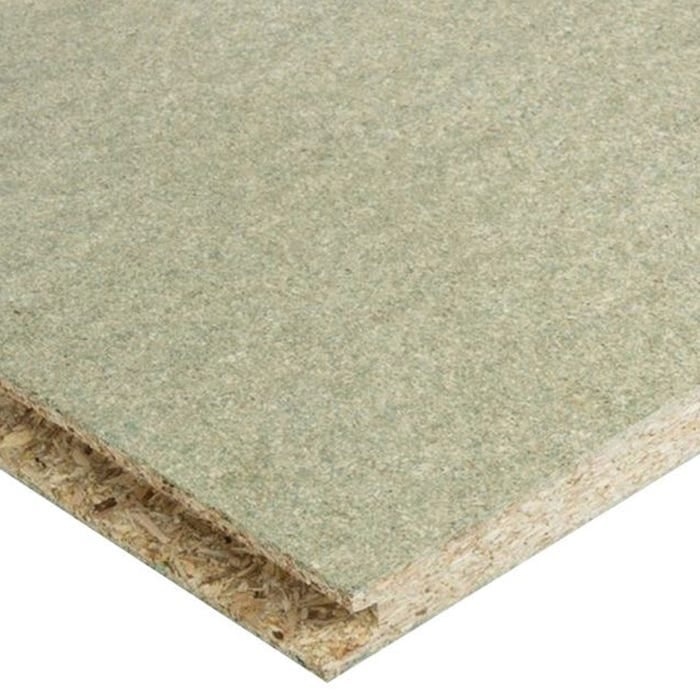
The Caber T&G P5 Chipboard Flooring listing takes a different role. It identifies tongue-and-groove flooring, board dimensions and coverage, with thickness and pallet options presented on the page. For a floor project, coverage and handling can matter as much as the board name. We would treat the pack format as part of the specification, not an afterthought.
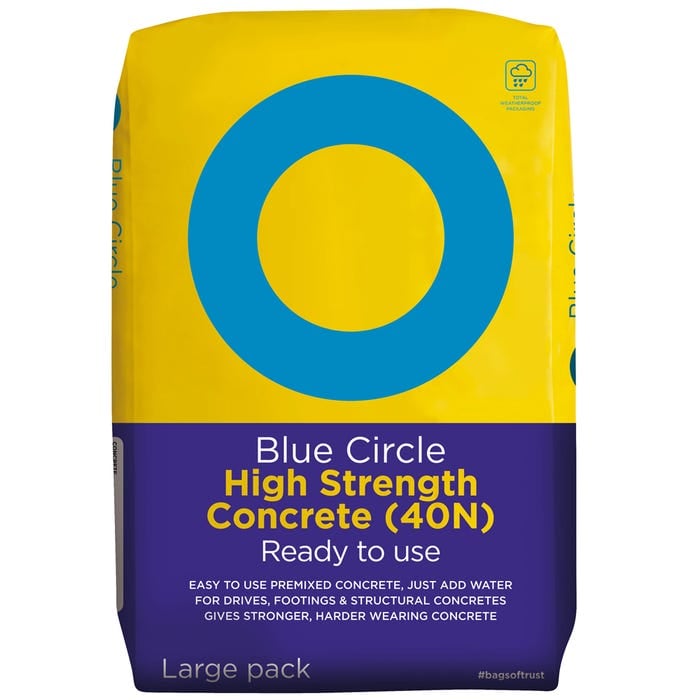
For smaller concrete jobs, the Blue Circle High Strength Concrete listing gives the product family and bag format directly. That is a more concrete use case than a generic cement category, although the quantity needed, delivery area and project application still need checking.
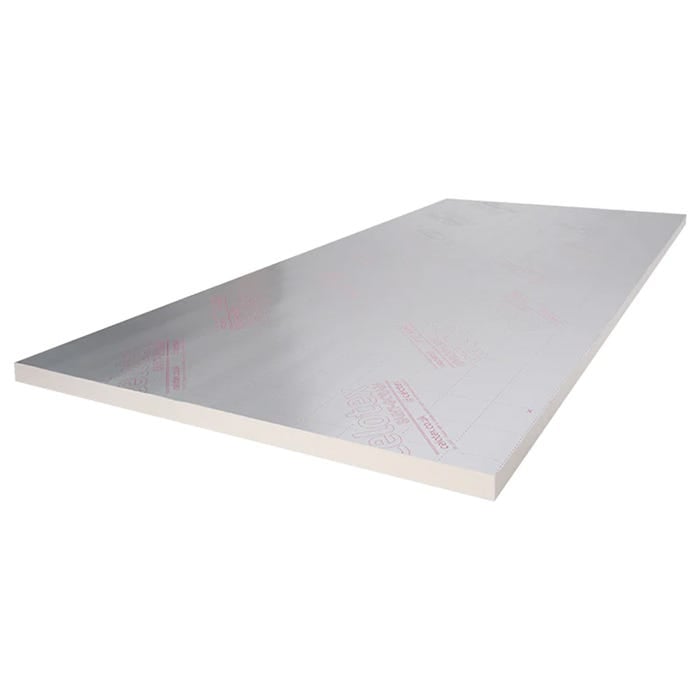
Insulation is another area where the catalogue offers real choice. The Celotex GA4000 General Application PIR Board page lists a board range with thickness and area variants. A buyer should compare the required build-up, board size, thermal target and installation method rather than choosing on brand recognition alone.
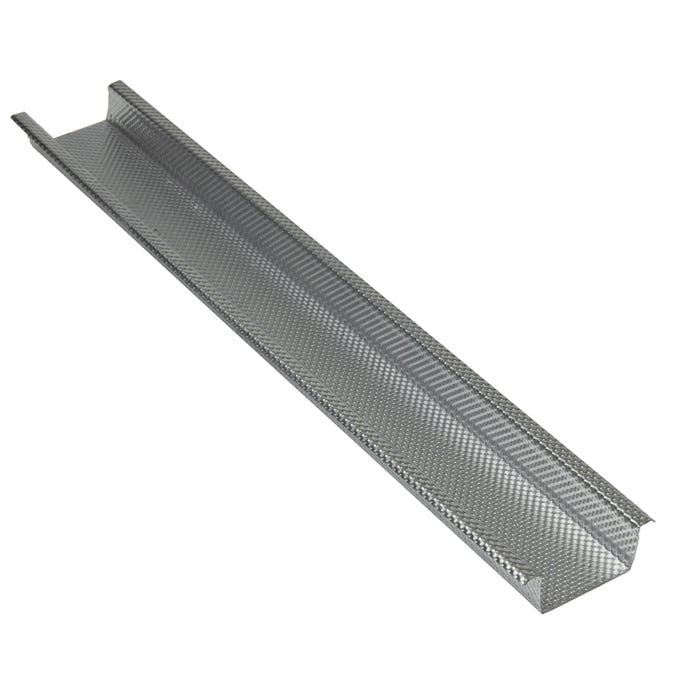
Beyond these examples, the store lists products such as Marmox Multi Board, metal C studs, British Gypsum Gyproc WallBoard and Kingspan Kooltherm K15 Rainscreen Board. That mix shows a useful spread between structural, internal lining and envelope work, but the buyer still has to match each item to the project specification.
- Structure: graded treated timber for known sections and lengths.
- Flooring: tongue-and-groove boards where coverage and thickness matter.
- Concrete: bagged material for defined smaller applications.
- Envelope: PIR and other boards selected by build-up and thickness.
The result is a range that rewards preparation. Start with the required material, dimensions, quantity and delivery constraints, then use the relevant product page. The building materials category is a sensible route when the product type is known but the exact model is not.
→ Review current Building Materials product options
Ordering and delivery
The practical value of a trade supplier depends on what happens after product selection. Building Materials provides dedicated pages for delivery options, returns and refunds, trade accounts and trade credit.
That is a positive sign for professional buyers because delivery is not a single generic service for timber, boards, bags and long metal sections. The final cost can be influenced by product dimensions, quantity, location, access, account status and whether a product needs an enquiry. Check those points before assuming the item is ready for a standard parcel delivery.
The store also offers a contact route for help, including product enquiries. We would use that route when the listing leaves a question about availability, pack format or delivery method rather than relying on a guess.
Returns deserve equal attention. Bulky, cut-to-size or project-specific materials may not behave like ordinary consumer goods, so read the current terms and conditions alongside the product information.
- Confirm that your business and order fit the store’s trade requirements.
- Check dimensions, thickness, coverage, pack size and current availability.
- Review delivery method, access requirements and any enquiry step.
- Read returns information before ordering project-specific or bulky materials.
→ Check Building Materials delivery and account details
Limits to consider
The biggest limitation is not a missing category. It is the responsibility placed on the buyer to make a technically correct choice. A wide catalogue is useful only when you know the required performance, dimensions and compatibility. The store’s filters and product names can narrow the search, but they do not replace a project specification or professional advice.
The trade-only positioning is another clear boundary. DIY customers and household buyers may find the ordering rules unsuitable, particularly where the store reviews orders or applies its stated cancellation policy. That does not make the supplier a poor fit; it makes the audience narrower.
Finally, product information can vary by listing. Some pages make dimensions, options and application easy to see, while other ranges may require an enquiry. A careful buyer should keep the live page open and confirm the complete specification, current availability, delivery and account terms before committing.
- Do not treat a product name as a complete specification.
- Do not assume every item follows the same delivery route.
- Do not rely on an old price, availability status or promotion.
Buyer questions
Is Building Materials suitable for DIY buyers?
The store says it supplies the construction and development trade and reviews orders. DIY and non-trade buyers should read the current terms first, as eligibility and cancellation rules may apply.
Can I compare materials by specification?
Yes, many listings expose useful details such as dimensions, thickness, coverage, grade or application. Use those fields with your project specification and confirm the live options before ordering.
What affects the final cost?
Size, thickness, quantity, pack format, delivery requirements and account terms can all affect the total. The current product page and delivery information are the reliable places to check.
Our take
Building Materials is a credible fit for trade buyers who want a broad construction catalogue and a supplier with dedicated account, credit, delivery and enquiry routes. The strongest evidence is the range itself, from graded timber and flooring boards to insulation boards and bagged concrete.
Our limitation is equally clear: this is not a simple DIY checkout, and a wide range does not remove the need to verify the specification. If you are trade-eligible and already know the material requirements, check the live listings. If you are buying for general home use, confirm the store’s terms before spending time on a basket.