
Use this practical checklist to match boards, timber and insulation to the job, the specification and the delivery plan.
Buying construction materials is rarely a matter of choosing the first product with the right-sounding name. The useful decision is usually more specific: what is the material doing, what dimensions does the build require, and how will it arrive on site?
We have organised this guide around those questions, using products and categories listed by Building Materials. The store is aimed at the trade, so its range and account services make the most sense when you are planning a defined job rather than browsing for a small DIY repair.
→ Check the Building Materials range
Disclosure: this post includes affiliate links, and we may be paid a commission on purchases made through them.
The short version
- Start with the application and the required performance, then narrow by size, thickness and pack format.
- Structural Graded C24 Treated Timber 100mm x 47mm (4in x 2in) is a sensible starting point for dimensioned structural framing, subject to the project specification.
- Kingspan Kooltherm K15 Rainscreen Board is aimed at a rainscreen insulation application, where the build-up and thickness need careful checking.
- British Gypsum Gyproc Wallboard Square Edge 12.5mm is a general drylining option with a familiar board format.
- Use Building Materials when trade sourcing, delivery coordination and account support matter as much as the individual item.
Start with the job
Before opening a product page, write down the role of the material. A wall lining, floor deck, roof build-up and partition frame may all use sheet or section products, but they do not share the same requirements. The store groups materials by categories such as plaster and plasterboard, timber and joinery, insulation, ceilings and general building materials, which gives a useful first route into the range.
- Application: note whether the material is structural, insulating, lining, finishing or protective.
- Specification: confirm thickness, width, length, density, grade or resistance level where relevant.
- Quantity: calculate coverage, wastage and whether you need singles, packs, pallets or full-length materials.
- Site: check access, unloading space and whether several deliveries need coordinating.
That short list also helps distinguish a true product requirement from a convenient extra. For example, a board that is available as a single unit may suit a small repair, while the same category in a pallet format is more relevant to a planned trade project.
→ View building materials by category
Boards and lining
Board products reward careful specification. The British Gypsum Gyproc Wallboard Square Edge 12.5mm page describes a standard plasterboard for general internal use, with a surface ready for finishing and options that vary by board size. That makes it a practical candidate for ordinary drylining, but the final choice still depends on the required fire, acoustic, moisture or impact performance.
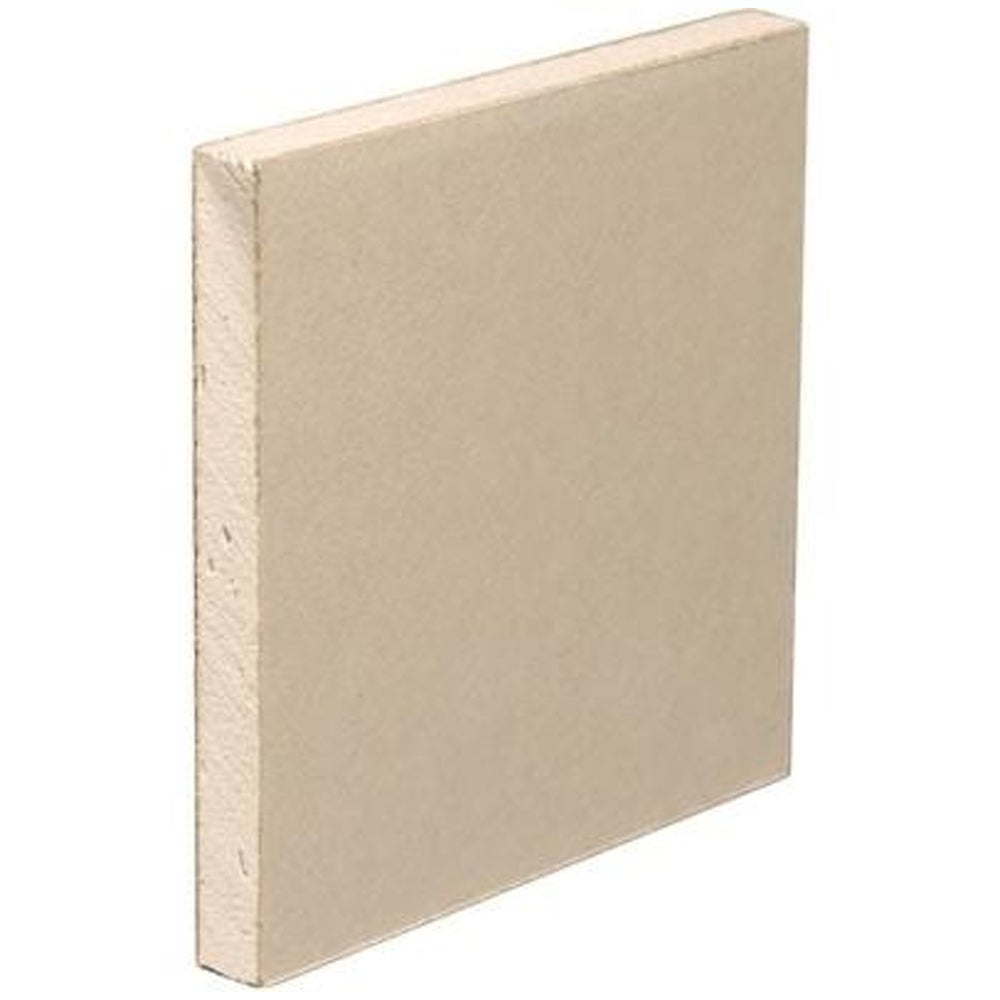
Square edge and tapered edge are not interchangeable just because the thickness looks similar. Joint treatment, finish, board size and handling all affect the labour plan. Where the project needs a specialist performance, move into the relevant plasterboard subcategory rather than assuming a standard board is an adequate substitute.
Frame and structure
For timber framing, the Structural Graded C24 Treated Timber listing gives a clear dimensional starting point: 100mm x 47mm, also described as 4in x 2in. The important checks are the required length, treatment, grade and quantity. Dimensions are only useful when they match the drawings and the spacing already allowed for on site.
- Choose timber around the specified section and required lengths, not a rough visual match.
- Confirm treatment and intended use with the product information and project requirements.
- Allow for straightness, cutting waste, storage and safe movement around the site.
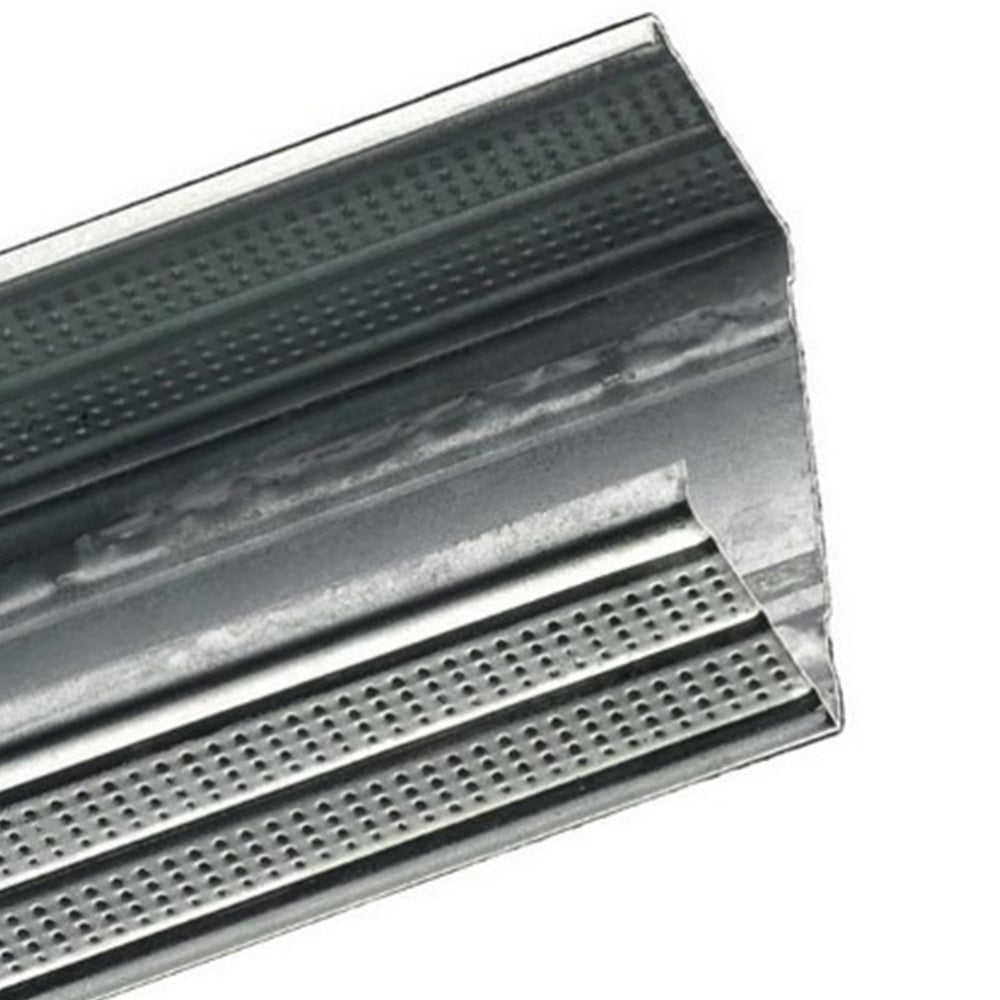
Metal framing is a different route. Metal C Stud 70mm is listed for partition and framing work, with length and pack format affecting the order. It can make sense where a light-gauge system is specified, but it should be considered with the matching track, fixings, board and acoustic or fire requirements rather than as a standalone swap for timber.
Insulation choices
Insulation is where thickness, thermal target and build-up can change the buying decision quickly. Kingspan Kooltherm K15 is presented for rainscreen board use, so the right question is not simply whether it is an insulation board. Check the wall system, required thickness, fixing method, weather layer and compatibility with the rest of the specification.
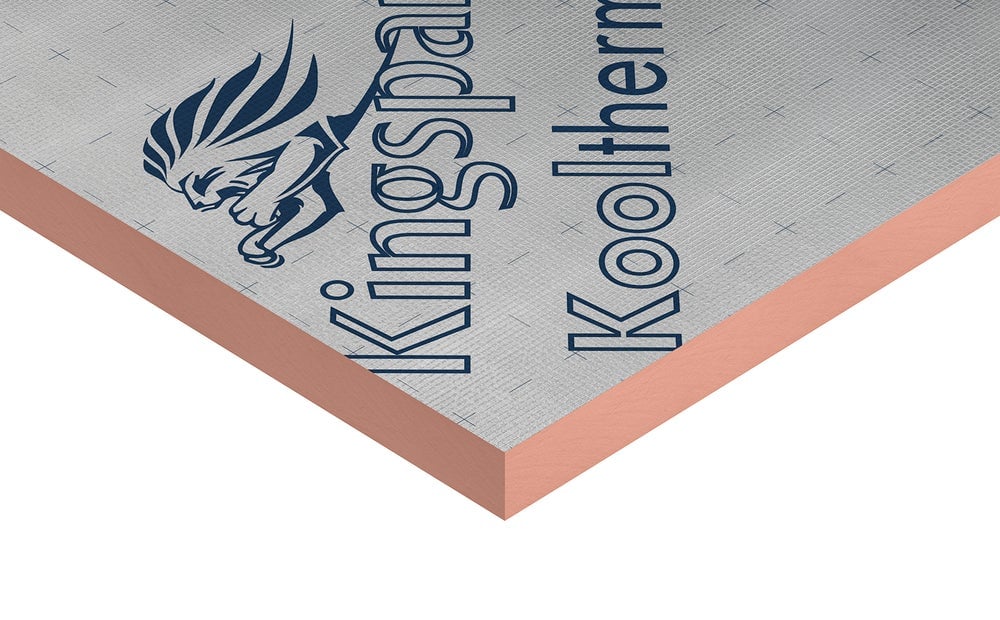
The practical buying sequence is to confirm the target performance first, then compare available board thicknesses and pack quantities. Cost is driven by size, thickness and quantity, so the store’s current listing is the place to check the live figure rather than relying on a static guide.
→ Check current product availability
Quick product map
This compact map is a starting point, not a substitute for drawings, calculations or the relevant technical data sheet.
| Product | Best starting use | Check before ordering |
|---|---|---|
| C24 treated timber | Dimensioned framing | Grade, section and lengths |
| Kooltherm K15 | Rainscreen insulation | Build-up, thickness and fixing |
| Metal C Stud 70mm | Partition framing | Track, board and system spec |
| Gyproc Wallboard | General drylining | Edge, performance and finish |
Delivery planning
Large, long or fragile materials need a delivery plan as much as they need a product choice. Building Materials says delivery is booked with the customer after ordering, while delivery charges are calculated in the basket and finalised at checkout. That is useful context when comparing the apparent item cost with the real job cost.

- Group materials by the stage of the build so the site is not storing everything at once.
- Confirm access for board, timber and metal lengths before finalising quantities.
- Keep the delivery contact available for booking and check the order against the schedule.
- Use a trade account conversation when credit, a dedicated manager or repeat sourcing will affect the project.
The store also highlights trade accounts, credit options and product support. Those services will be more relevant to a contractor managing recurring orders than to a one-off household purchase. The site states that non-trade orders below its stated threshold may be reviewed and cancelled, so DIY shoppers should read the terms before investing time in a basket.
→ Review delivery options at Building Materials
Buyer questions
Can I compare single items and packs?
Yes, where the listing offers those formats. Check the product page carefully because pack size, board coverage, length and quantity can change the useful comparison.
Should I choose timber or metal framing?
Follow the project specification first. Timber and metal can belong to different systems, so compare the complete frame, board, fixing, acoustic and fire requirements rather than one section in isolation.
Where should I check the current cost?
Use the live product page and basket. The store shows variants and quantities, and the final cost can depend on size, pack format, delivery and account terms.
Our take
Building Materials is a natural fit when the job needs more than a single commodity item. Its broad trade catalogue, product-page specifications, delivery coordination and account support give buyers a practical route from application to order. We would start with the specification, then use the relevant product page to confirm the exact size and pack.
The limitation is that a broad catalogue asks the buyer to do the matching work. Availability, variants and delivery cost can change, and none of the guide’s starting points replaces project drawings or professional advice. For a defined trade order, though, the range is structured well enough to make that checking process manageable.