

Use project type, performance needs, pack format and delivery planning to choose the right materials from Building Materials.
Choosing building materials is usually less about finding one universal best product and more about matching the specification to the job. A partition, a roof, an insulated lining and a small repair all place different demands on the materials list.
We have built this guide around the decisions that create the most avoidable rework: the board performance you need, the size and quantity you can handle, the difference between insulation applications, and the practicalities of delivery. Building Materials is a natural place to compare those routes because its range is organised around trade categories and project requirements.
Disclosure: this post includes affiliate links, and we may be paid a commission on purchases made through them.
→ Check current Building Materials options
The short version
- Gyproc DuraLine is a sensible starting point for tougher internal board applications where impact resistance is part of the brief.
- Celotex Crown-Bond is a flat roofing board route, while insulation boards need to be chosen for the construction detail rather than by brand name alone.
- Blue Circle General Purpose Cement suits general cement work, provided the job specification and mixing requirements are met.
- Check dimensions, edge profile, pack format, access, delivery timing and the current listed price before ordering.
Define the build
Write the job down before browsing products. The shortest useful brief includes the surface or structure, the environment, the performance requirement, the area to cover and how the material will reach the work area. That prevents a common buying mistake: choosing a board because its name sounds suitable, then discovering that its edge, thickness or handling format does not fit.
- Identify the construction element: wall, ceiling, floor, roof, partition or repair.
- Record the condition that matters most, such as impact, moisture, sound, fire or thermal performance.
- Measure the area and allow for cuts, joints and the site method rather than ordering by a rough visual estimate.
- Check whether the delivery vehicle, unloading point and storage area can accommodate the selected format.
For a tougher internal lining, the Gyproc DuraLine Board Tapered Edge 15mm gives the comparison a concrete starting point. The store presents it as a tapered-edge board, so the jointing detail is part of the decision as well as the board itself. Review the page for available options and current listing information before adding it to a take-off.
→ See board options at Building Materials
Board performance
Standard board is not automatically the right board. Where the project calls for more resilience, moisture resistance, sound control or fire performance, the board category should reflect that requirement. Keep the specification visible while comparing products, because a familiar manufacturer name does not replace the need to confirm the exact use case.
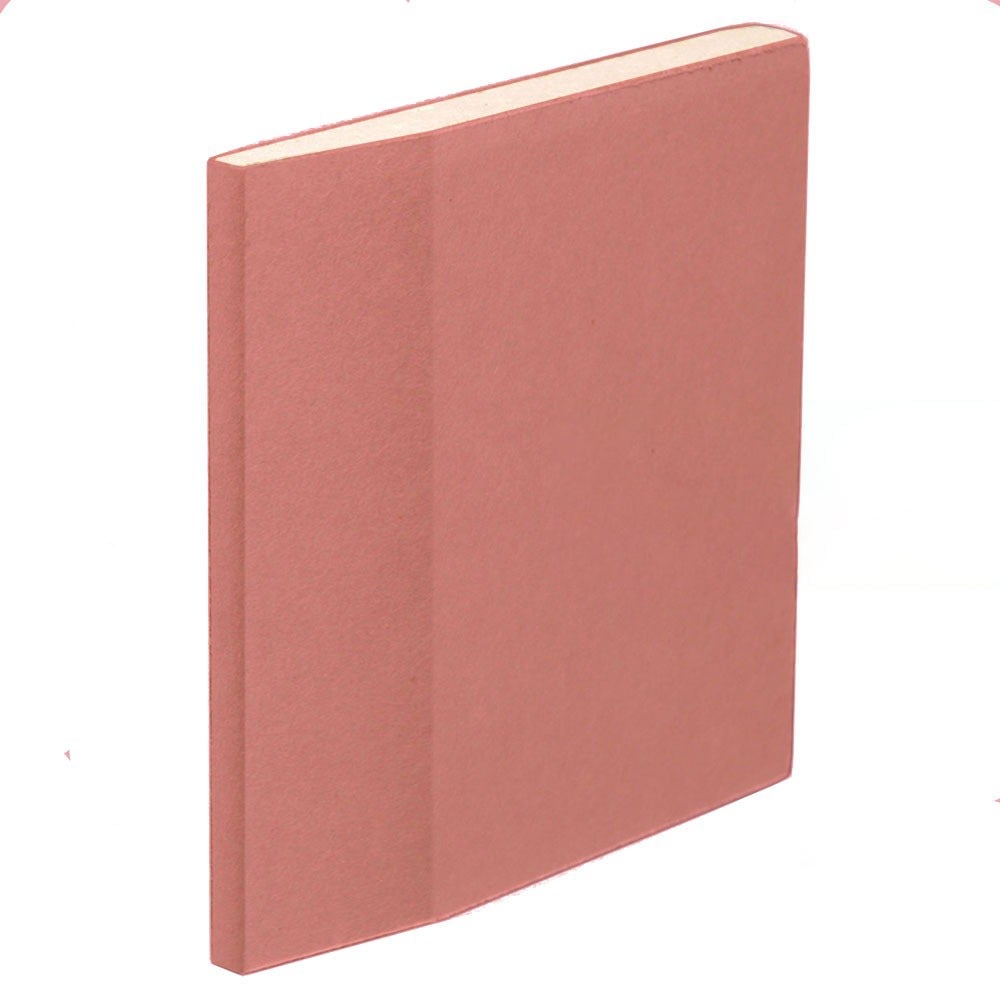
The Gyproc FireLine Plasterboard Tapered Edge 12.5mm is a useful product to inspect when fire performance is part of the brief. For sound-related work, compare the board construction and stated application of the Gyproc SoundBloc range rather than treating every dense board as interchangeable.
Edge profile also affects the finishing method. Square edge and tapered edge boards are not simply visual variants: they can change jointing, sequencing and the amount of finishing material needed. Confirm the exact product page, especially when the same family appears in several sizes or pack formats.
→ Compare current board choices
Roof and thermal
Insulation deserves its own decision rather than being added as an afterthought. The right product depends on where it sits in the build-up, the available depth, the required thermal result, moisture exposure and the way it will be cut or secured. The product page should be checked for the stated application and dimensions before the order is finalised.
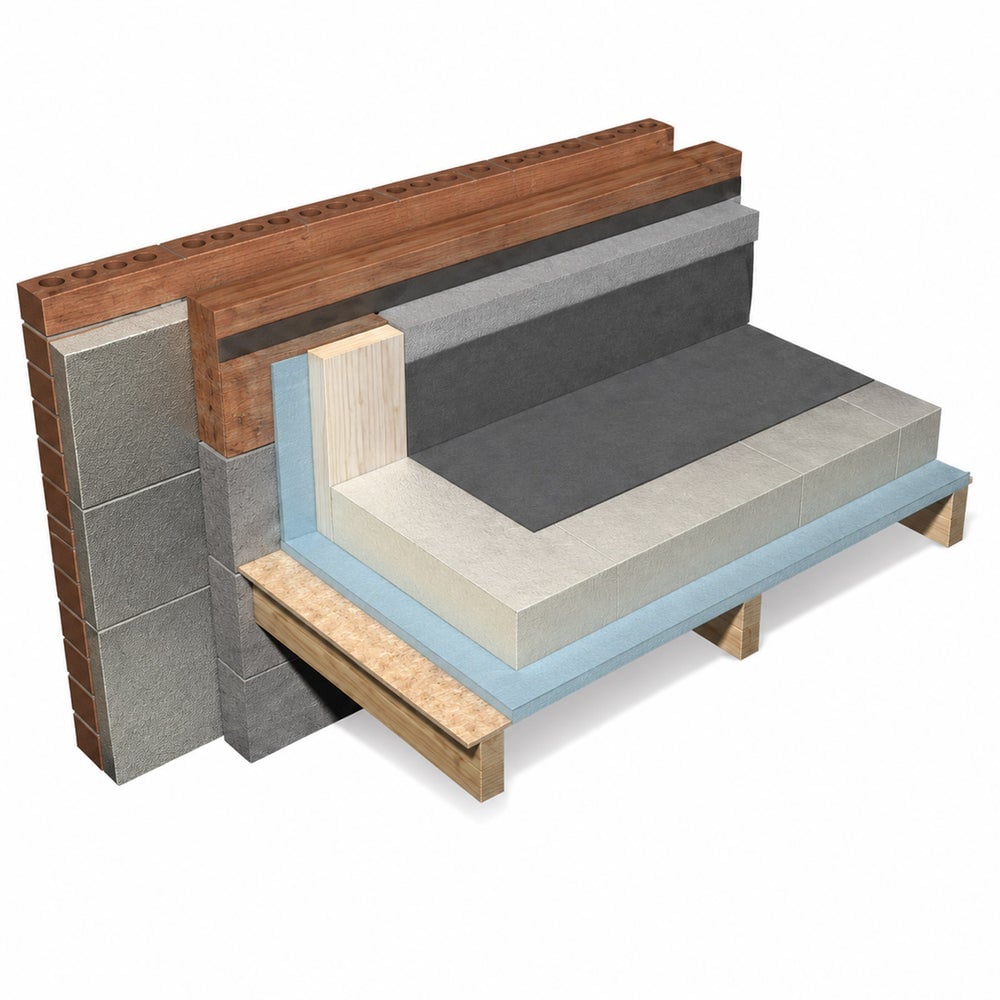
The Celotex Crown-Bond Flat Roofing Board is a specific route for flat roofing work. That makes it more useful as a buying reference than a generic insulation label: the application is visible in the product name. If your detail is a wall, floor or pitched roof, compare against the relevant insulation category instead of assuming a roofing board can move between assemblies.
- Check the intended application and build-up before comparing thermal products.
- Compare thickness, sheet size and pack format with the site plan.
- Allow for cutting waste, safe storage and protection from weather before installation.
Also consider whether a large pack makes sense for the job. A trade account, delivery arrangement or sourcing conversation may be more useful than selecting the first product with a familiar name. Building Materials states that it can source specific products, which is helpful when a project needs a particular manufacturer or format.
→ Check current insulation options
Mix and storage
Cement buying is usually driven by the job, the mix, the storage conditions and the quantity required. Confirm whether you need general purpose cement or a more specialised formulation, then check the product instructions and the condition of the bag on delivery. Cement is a product where damp storage can undermine an otherwise sensible order.
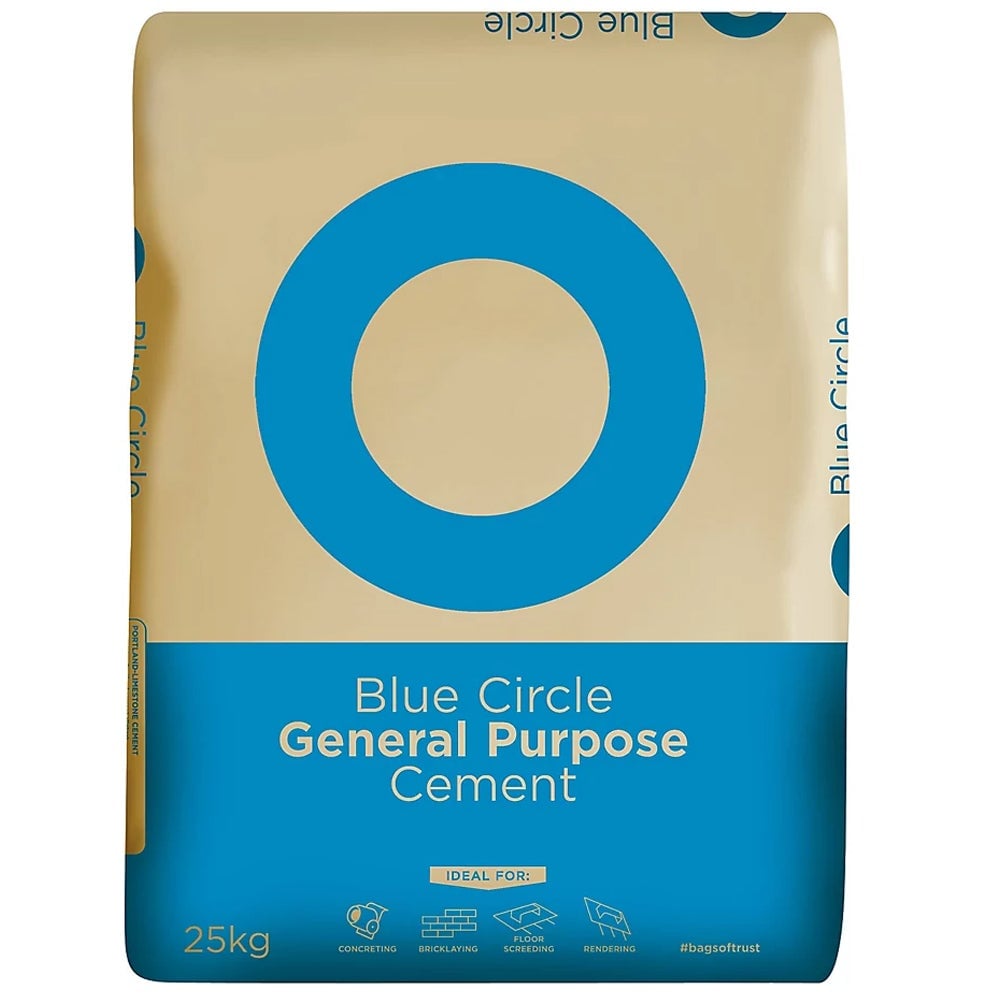
Blue Circle General Purpose Cement is the kind of product to shortlist when the task does not call for a specialist cement. The sensible check is not simply whether it is available, but whether its stated use, handling guidance and pack format fit the work schedule. Check the current listing before ordering because stock and price can change.
For a small repair, calculate the actual mix requirement and storage plan. For a larger job, review delivery access and whether the full order can be kept dry. These details are mundane, but they are often what separates a workable materials list from an expensive second trip.
Selection table
Once the job and performance needs are clear, use a short product map. The table below is a starting point, not a substitute for the technical information on each page.
| Product | Best fit | Check before ordering |
|---|---|---|
| Gyproc DuraLine | Tougher internal board work | Edge, size and handling |
| Celotex Crown-Bond | Flat roofing board applications | Roof build-up and dimensions |
| Blue Circle General Purpose Cement | General cement work | Mix, storage and quantity |
Use the store page as the final checkpoint for current price, stock and delivery information. The cost can move with board size, pack quantity, thickness, product tier and delivery requirements, so a static guide should not pretend to preserve a figure. If the job has a tight sequence, check lead time and unloading arrangements before committing the rest of the order.
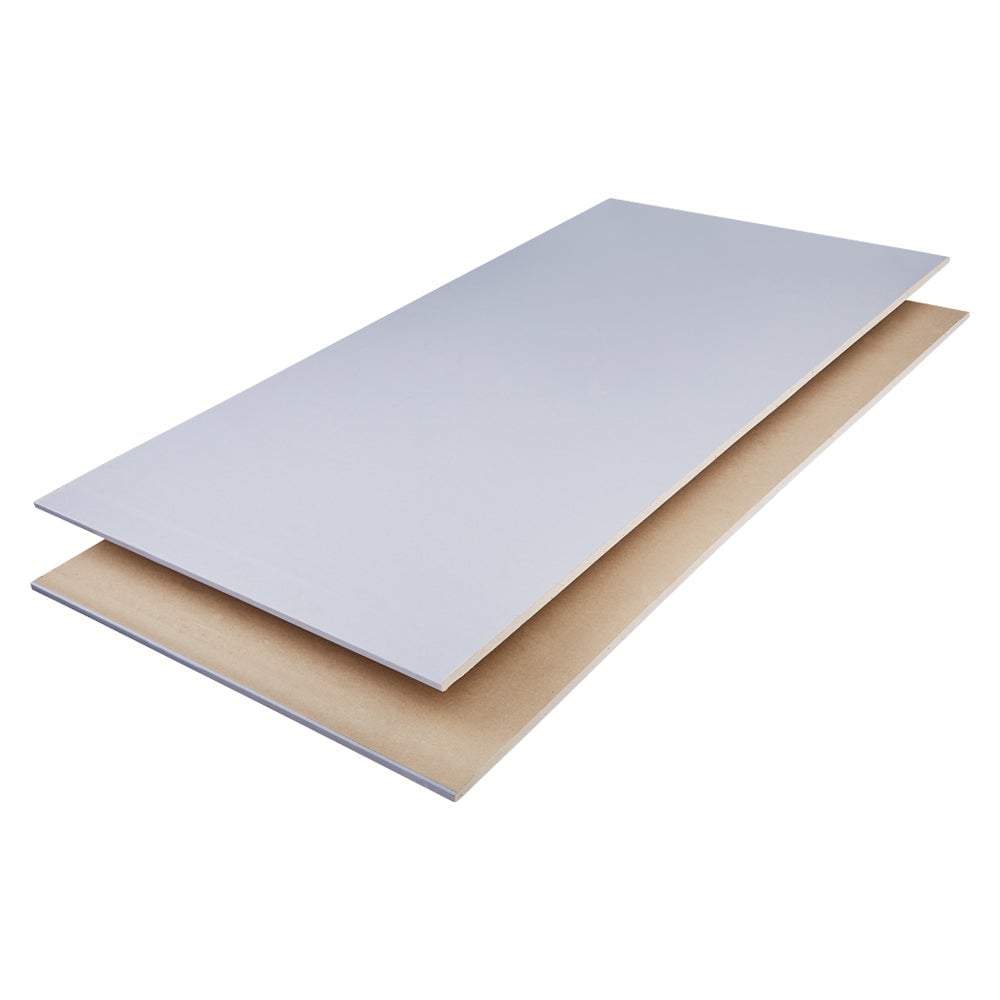
It is also worth checking accessories and compatible components. A board may need the right fixings, joint treatment, framing or protection to perform as intended. When the store offers several routes, keeping related items in one research pass can reduce the chance of a missing component delaying the job.
Common questions
Should I choose by brand?
Use brand as a quality and availability clue, but choose by the stated application first. Confirm the board or material type, dimensions, performance requirement and installation method on the product page.
How should I check the price?
Open the current Building Materials listing immediately before ordering. Compare the selected size and pack format, then account for delivery and any trade terms that apply to your order.
What if the exact item is not listed?
Building Materials says its team can help source specific products. Keep the required manufacturer, product family, dimensions and application to hand when asking for an alternative or sourcing check.
→ Review delivery and trade options
Our take
Building Materials makes the most sense when you want to build a job-specific list across boards, insulation and cement, then confirm the technical details and current listing information in one place. Our recommendation is to start with the construction requirement, shortlist two or three concrete products, and only then compare pack format, delivery and current price.
The limitation is that no buying guide can replace the project specification or the manufacturer’s installation guidance. Specialist fire, moisture, sound and thermal requirements deserve a final check by the responsible professional before materials are ordered.