
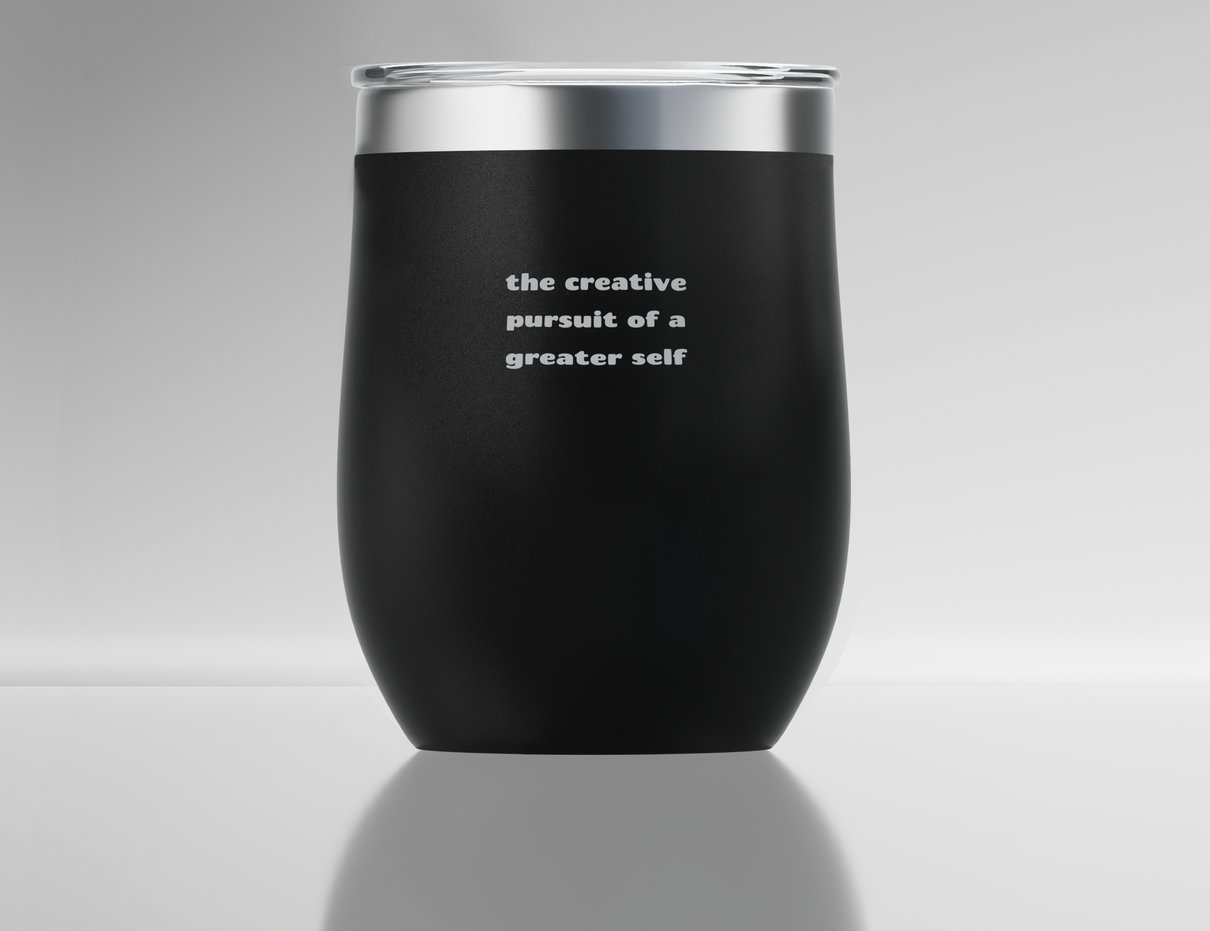
I spent time comparing the current Spacegoods range, prices and product pages to answer a simple question: does this brightly packaged powder brand make daily routines easier, or is it mostly clever branding? The short answer is that Spacegoods is unusually easy to sample, but the right product depends heavily on what you want from it. The range now covers coffee alternatives, matcha, hydration, creatine and evening rituals, with starter kits generally sitting at £49.
→ See the current Spacegoods range
What Spacegoods actually sells
Spacegoods makes flavoured powdered drinks designed to be mixed into water, milk or a coffee-style drink. The appeal is practical: a pouch takes less cupboard space than several separate supplements, while the colourful presentation makes the ritual feel more like a treat than a chore. Across the range, the main selling points are convenience, variety and an approachable format. The brand also sells sample packs, which is useful because flavour is the biggest unknown when shopping online.
- Dust blends are packaged as quick, scoopable drink mixes.
- Starter kits provide a lower-commitment route into a flavour family.
- Different lines target focus, hydration, exercise or evening use.
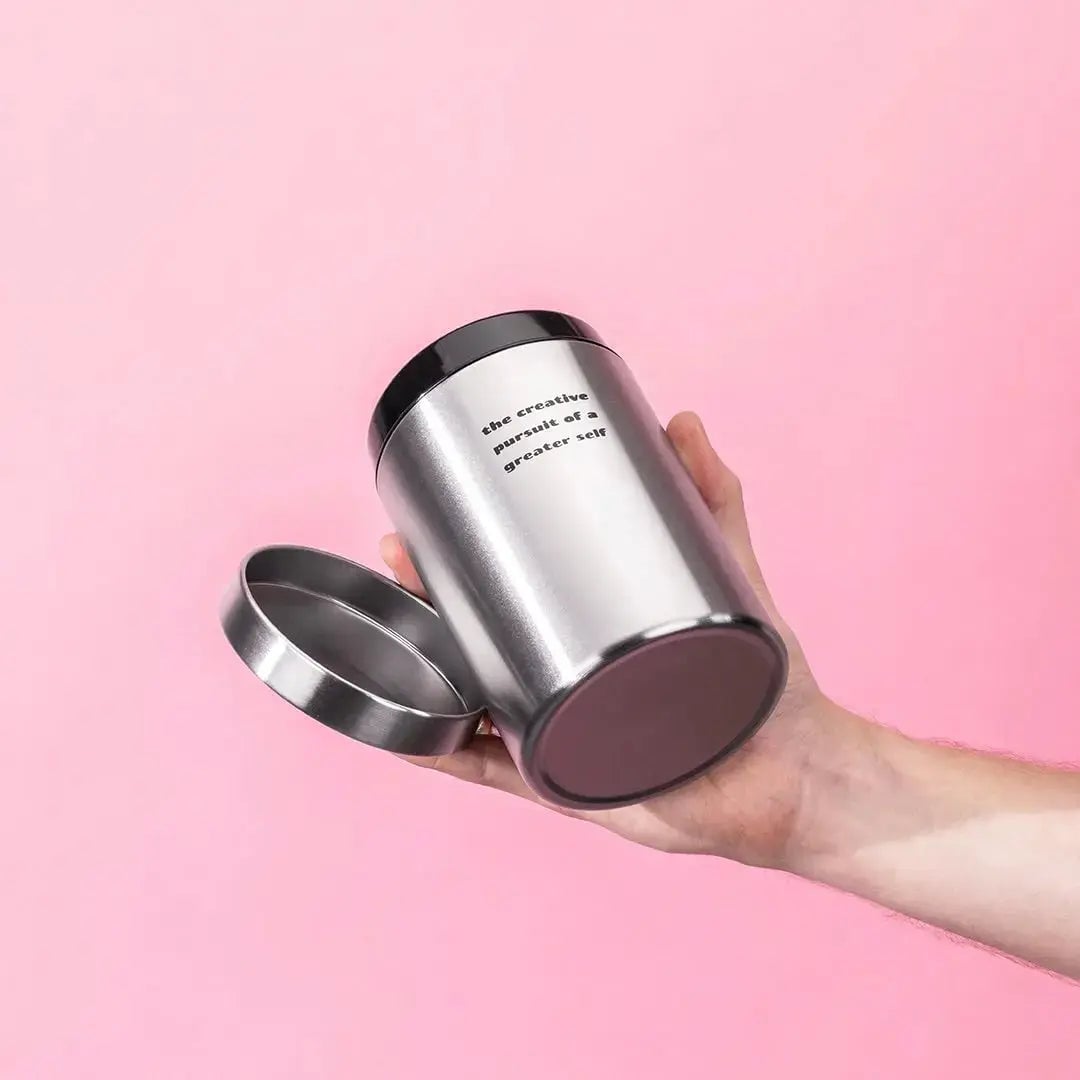
- Accessories such as storage tins help keep the routine tidy.
That positioning is more convincing than a vague promise of a miracle transformation. You can see what each product costs, choose a format and decide whether it fits your day. It is also worth keeping expectations sensible: a powdered drink can support a routine, but it cannot replace sleep, a balanced diet or professional medical advice. I like that the catalogue makes comparing use cases straightforward, even when the energetic copy occasionally leans into lifestyle language.
The products I would shortlist
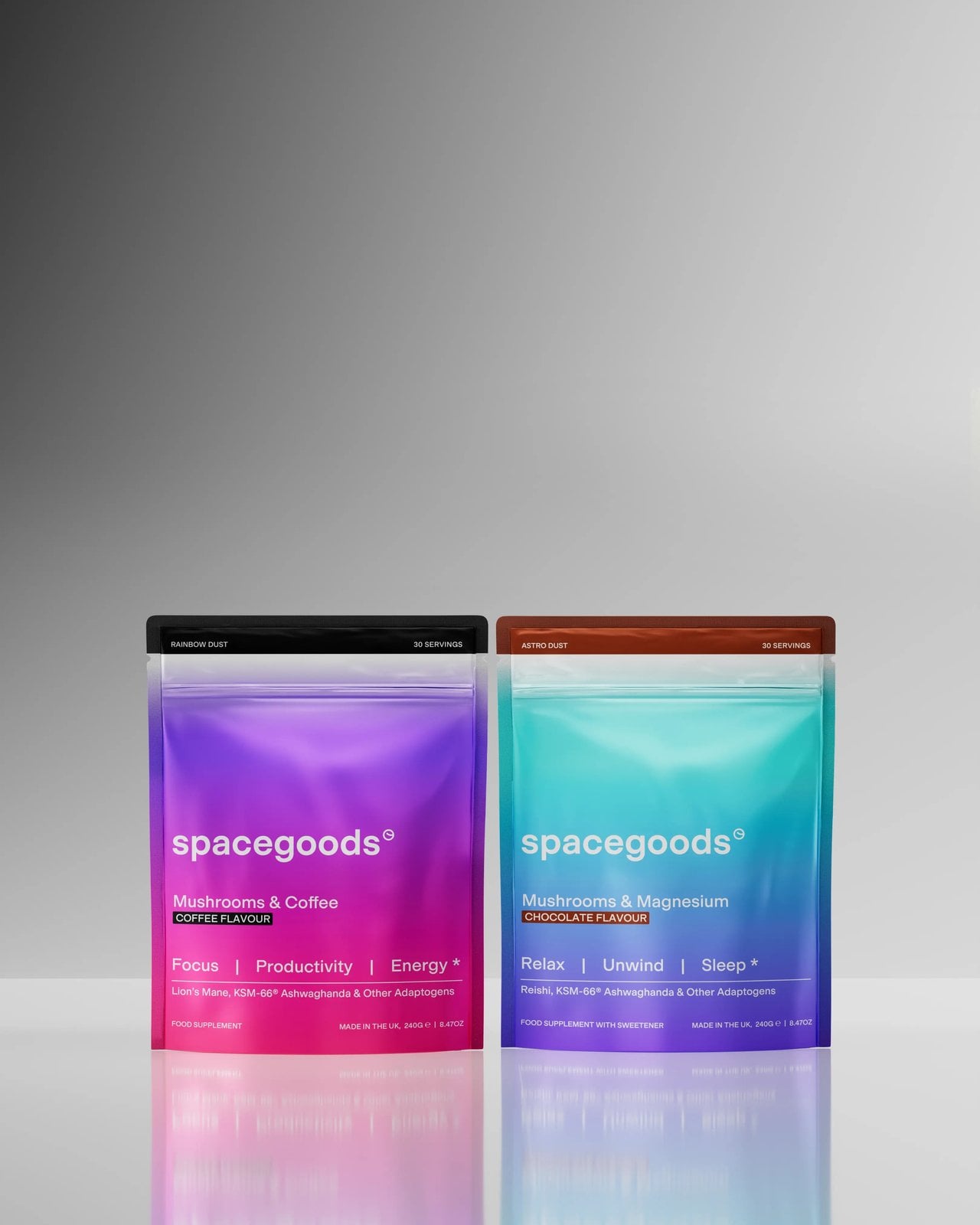
Rainbow Dust starter kit, £49. This is the most obvious entry point if you want the brand’s signature colourful powder format. The pouch is compact and the starter-kit price is easier to justify than buying several full-size flavours at once. I would choose it for a first look at the core range, especially if you prefer a coffee-style drink with a sweeter, more playful profile. The £49 price is clear on the product listing, though delivery and any active promotion should still be checked at checkout. Browse the Rainbow Dust starter kit before deciding.
Astro Dust starter kit, £49. Astro Dust is the chocolate-flavoured route, so it makes more sense for someone who wants a warmer, dessert-like drink rather than a tea or fruit-led option. The product page shows a starter format at the same price as Rainbow Dust, making the comparison unusually simple. In my view, this is the safer pick for a reluctant supplement user because chocolate is a familiar flavour, although anyone avoiding sweet drinks may find it less appealing. The Astro Dust product page is the place to check its current flavour and pack details.
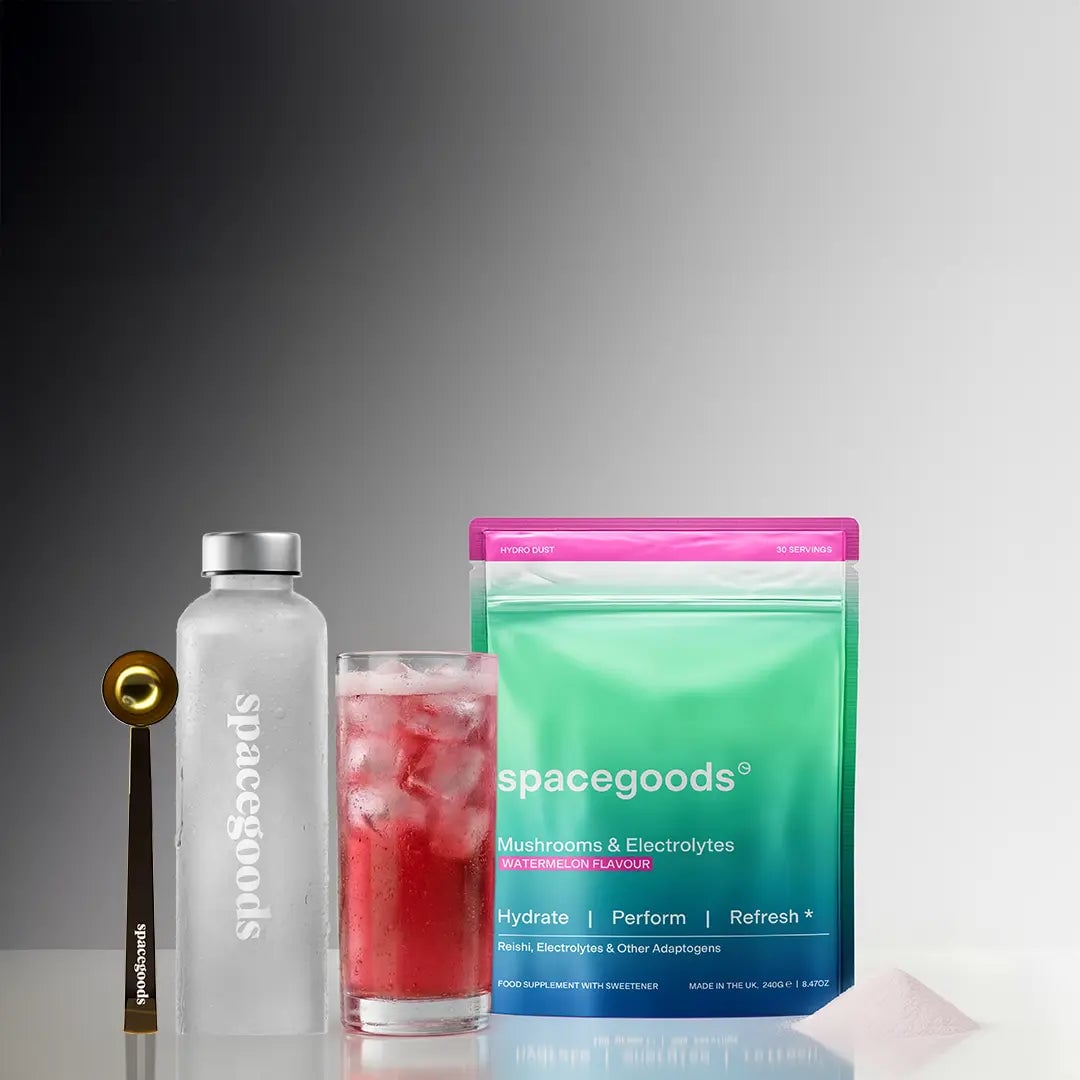
Hydro Dust starter kit, £49. This is the most clearly functional option in the group. It is aimed at mixing into water, so it suits gym bags, desk bottles and people who want a hydration ritual without preparing a hot drink. The pouch format travels well and the product is more purpose-built for an active day than the latte-style blends. The trade-off is that flavour preference becomes even more important when the drink is consumed cold and regularly. I would start with a sample if you are unsure, then compare the Hydro Dust starter kit with the smaller options.
→ Compare the starter kit prices
Where the range works well
My strongest positive is the range architecture. Spacegoods gives a shopper several ways to test the idea without immediately committing to a bulk buy. A sample pack is listed at £14, starter kits at £49 and bulk-buy products at £99. That ladder makes the purchase decision feel more measured than a single premium tub with no smaller option. I also found the product names and intended occasions easy to scan, which matters when you are choosing between several powders that look similar in a grid.
- Start with a sample pack if flavour is your main concern.
- Choose a starter kit when you already know the type of drink you want.
- Use a storage tin if you are building a daily counter-top routine.
- Consider a bulk buy only after you have finished a flavour you enjoy.
The second positive is format flexibility. Matcha Dust gives tea drinkers a route into the brand, Hydro Dust speaks to hydration, and the Day + Night starter kit is designed for people who want separate moments in the day. I would not treat those labels as proof of a particular result, but they are helpful shorthand. If you are shopping by routine rather than ingredient, the Day + Night starter kit and Matcha Dust collection are the easiest pages to compare.
The drawbacks to keep in mind
The biggest weakness is that presentation can do some of the selling before the evidence does. Bright pouches, playful names and claims about daily performance make the range feel exciting, but they do not tell you whether a flavour will suit your palate. Read the ingredient and allergen information on the individual page, particularly if you have dietary restrictions or are already using other supplements. For anything involving pregnancy, medication or a medical condition, speak with a qualified clinician first.
- Flavour risk: the full-size price is a lot to pay for a blend you may not enjoy.
- Routine risk: a convenient powder still needs to become a habit.
- Expectation risk: marketing language should not be confused with guaranteed outcomes.
- Value risk: a £49 kit only beats coffee or other drinks if you use it consistently.
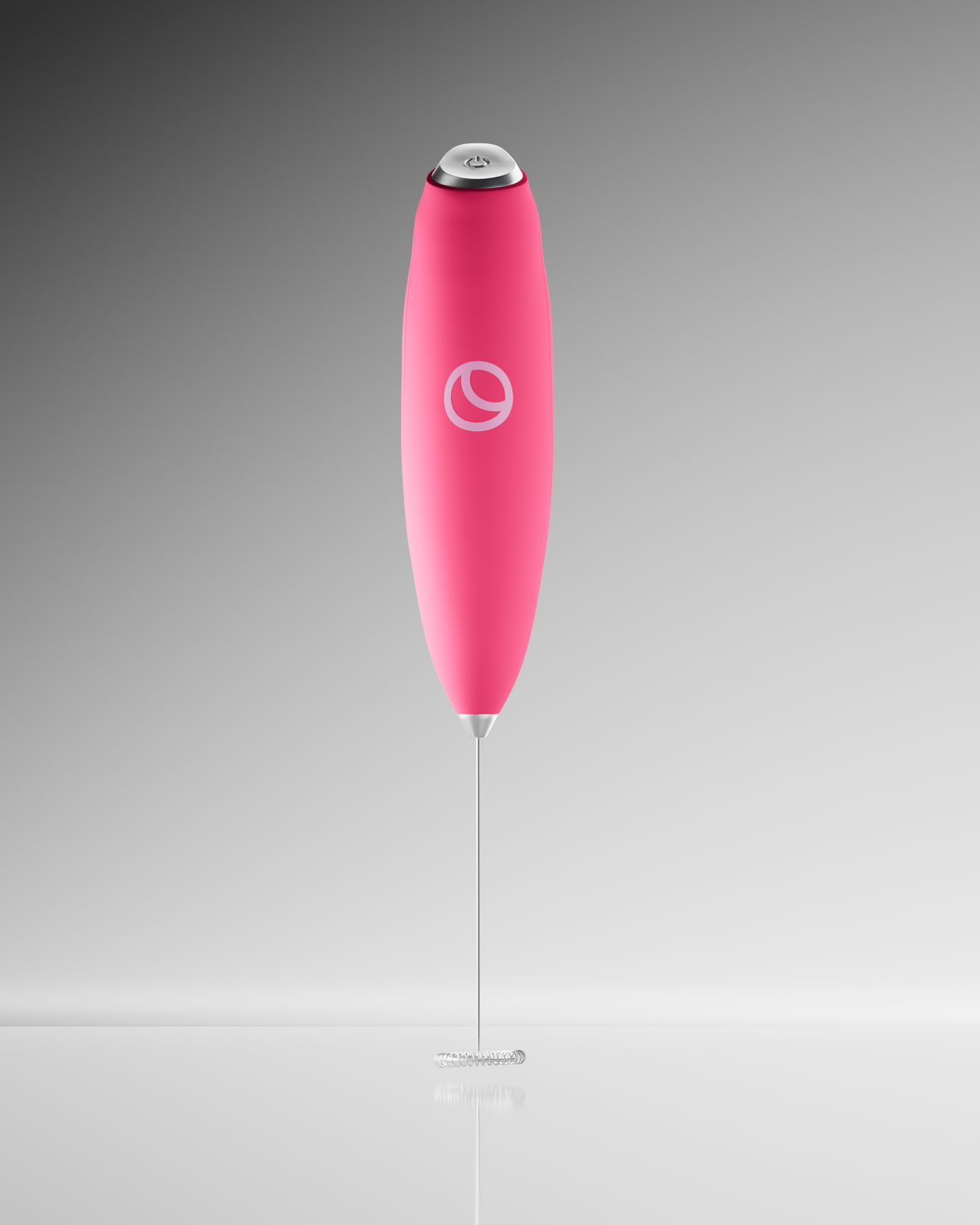
There is also a practical question around preparation. Powdered drinks are convenient, but they can clump if mixed carelessly, and some flavours are likely to work better with milk than water. A frother or shaker may improve the experience, but that is another item to buy. For that reason, my advice is to treat the first order as a taste test and routine experiment rather than a wholesale lifestyle upgrade. The sample-pack options are the sensible starting point.
→ Check the sample pack options
My verdict on Spacegoods
Spacegoods earns a positive review for making functional drink powders feel approachable and easy to compare. The sample-to-starter price ladder is genuinely useful, the product range has clear use cases, and the compact pouches are more convenient than a cupboard full of bulky tubs. The brand is also good at giving shoppers a flavour-led reason to try something new.
My reservation is value. At £49, a starter kit needs to become part of your week, not just an attractive parcel. I would start with Rainbow Dust or Astro Dust if you want a familiar drink profile, Hydro Dust if cold mixing fits your day, and Matcha Dust if tea is already part of your routine. In other words, Spacegoods is worth sampling, not blindly stockpiling. That is an honest strength rather than a criticism: the brand gives you enough entry points to test the idea before spending more.
→ Choose a Spacegoods starter kit
Is Spacegoods good for beginners?
Yes, especially because sample packs are listed alongside starter kits. Begin with the smallest format that matches your preferred drink style, then move up only if the flavour and routine work for you.
Which Spacegoods product should I try first?
Rainbow Dust is the broadest introduction, Astro Dust is the chocolate-led choice, Hydro Dust suits cold drinks and active days, and Matcha Dust is the natural pick for tea drinkers. Check the current product pages before ordering.
Are Spacegoods claims guaranteed?
No. Treat the products as flavoured drink mixes and review the ingredient information for the exact blend. Personal results vary, and supplements should not replace professional medical advice.