
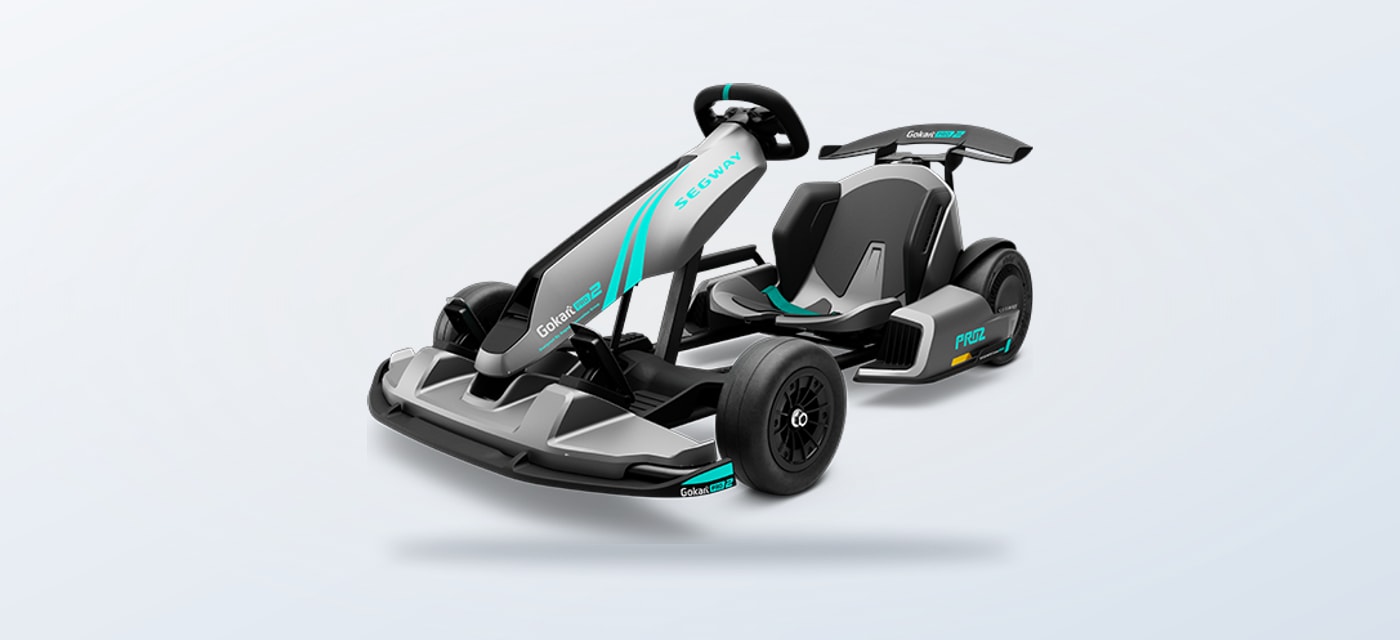
Segway is one of those names that has moved from a memorable invention into a much broader electric mobility lineup. The current range covers kick scooters, seated e-scooters, and recreational rides, so a quick glance at the catalogue does not tell you which product is actually sensible for your commute, weekend path, or family. I reviewed the product pages, specifications, images, and use cases to separate the useful differences from the marketing gloss.
The short version is encouraging. Segway has real range breadth, clear model families, and practical safety-minded features such as lighting, braking, folding designs, and suspension on selected models. The catch is that performance numbers vary by market and riding conditions, and the site did not display a reliable live US price for the products reviewed. Treat the models below as a shortlist to verify at checkout, not as a promise of a fixed deal.
→ See the current Segway range
What Segway does well on paper
There are three consistent strengths in the material I checked. First, the range is genuinely varied: a small urban scooter and a high-performance machine are not being dressed up as the same product. Second, the model pages make it relatively easy to find concrete information such as claimed range, speed modes, lighting, and suspension. Third, Segway appears to design around everyday control rather than raw motor output alone.
- Choice: commuter, performance, youth, and seated formats sit in one ecosystem.
- Ride comfort: selected models add suspension and wider tyres for rougher pavement.
- Visibility: integrated front, rear, and side lighting is a recurring practical theme.
- Portability: folding kick scooters make storage and car transport easier.
That said, specifications are not a substitute for local rules, rider weight, weather, or route quality. A claimed maximum range is a laboratory-style reference point, and speed figures may be limited differently in the United States than on an international page. The best evidence here is the model distinction and hardware list, while the final buying decision should come from the exact US listing.
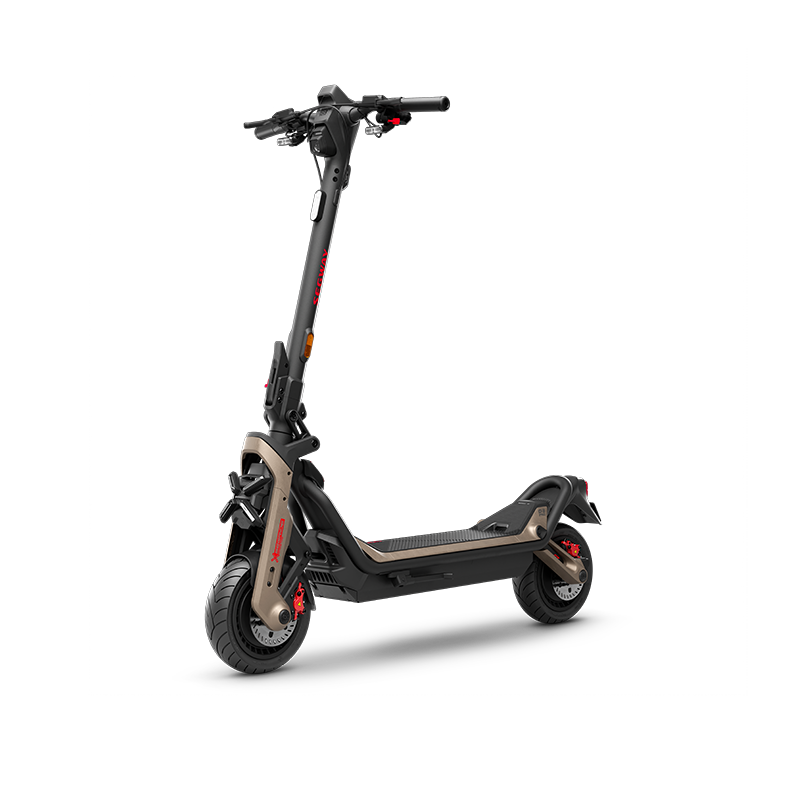
The performance pick: GT3 Pro
The Segway GT3 Pro is the model to investigate if your priority is acceleration and demanding terrain rather than a lightweight last-mile tool. Its page lists a very high top-speed capability in its international specification set, along with a long claimed range under stated test conditions. That combination suggests serious hardware, but it also means more weight, more responsibility, and less reason to choose it for a short flat commute.
What I like is that the GT3 Pro product page makes its purpose clear. This is not pretending to be a casual grocery-run scooter. Buyers should still confirm the US speed setting, charging requirements, legal use, and service support. Performance is the reason to choose it, not an automatic sign of better value.
- Confirm the US specification and permitted riding locations.
- Check the folded size, total weight, and whether you can lift it safely.
- Budget for a quality helmet, lights, and secure storage.
If those checks work for your routine, the Segway performance range has a credible enthusiast angle. If not, the next two models look more proportionate for daily use.
The sensible middle: F3 Pro
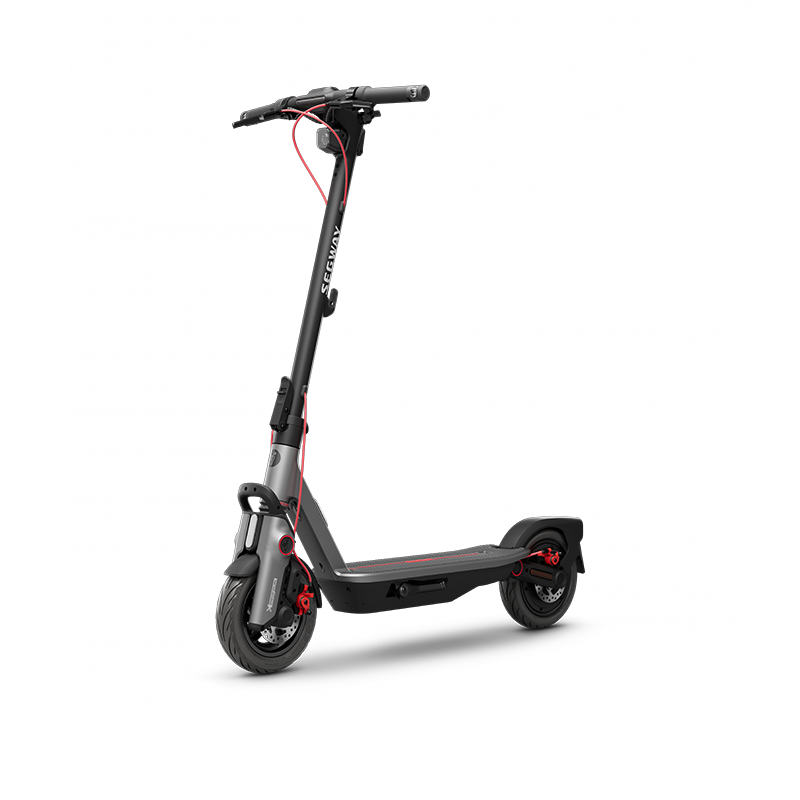
The Segway F3 Pro is easier to understand as an all-rounder. Its product information points to a substantial claimed range, a more approachable speed profile than the GT3 Pro, and equipment aimed at ordinary road surfaces. For riders who want a dependable daily machine but do not need extreme acceleration, this is the model I would place at the centre of the shortlist.
The tradeoff is familiar: “Pro” does not mean featherweight, and real range falls with hills, cold temperatures, rider mass, and frequent full-power starts. Still, the F3 Pro specifications suggest a balanced brief. It looks like the choice for a rider who values comfort over bragging rights and wants enough headroom for a longer trip.
→ Check the latest F3 Pro availability
Smaller choices: C2 Pro and E250S
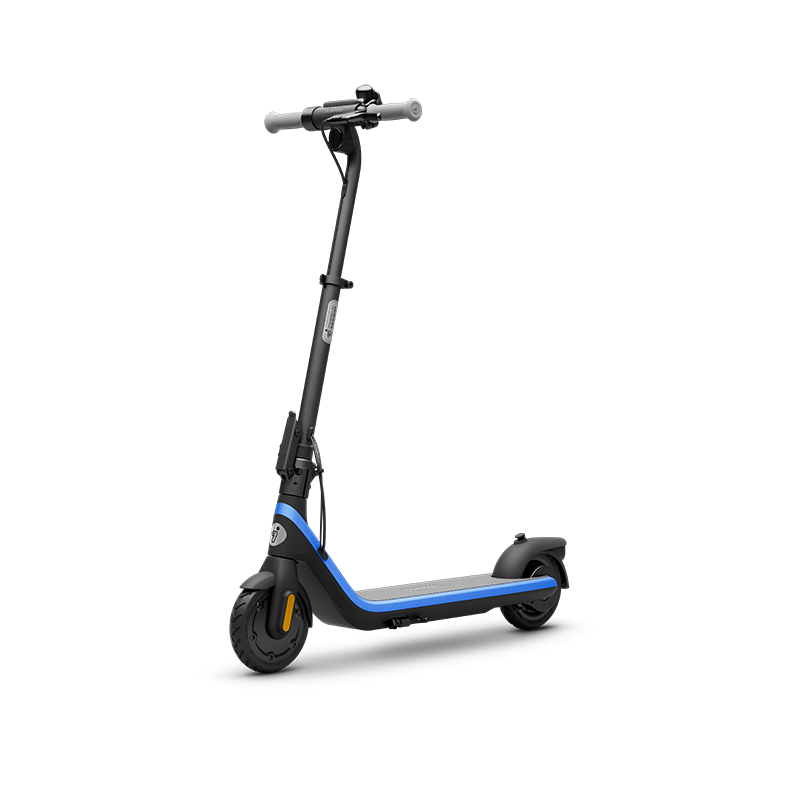
The Segway C2 Pro belongs to a very different conversation. The page positions it as a compact, lower-speed ride with a claimed range around the mid-teens in kilometres on its international listing. Its appeal is approachability and a youth-oriented footprint, not adult commuting. Check age, height, supervision, and local rules before considering the C2 Pro for a younger rider.
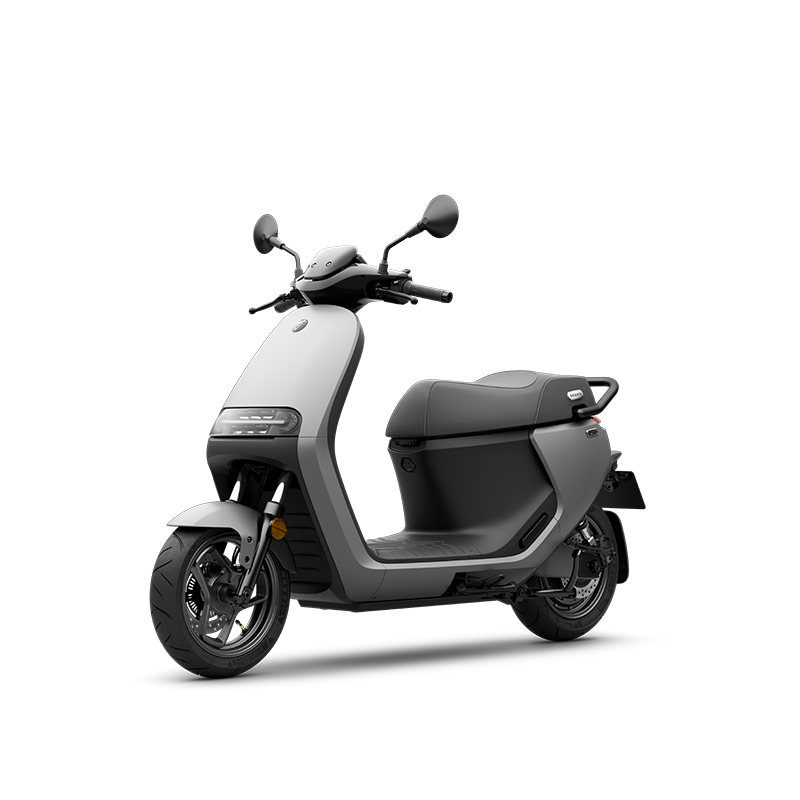
The Segway E250S takes the seated e-scooter route. That changes the use case entirely: it should appeal more to riders who want a moped-like posture and a practical local run than to someone seeking a fold-and-carry commuter. The E250S page is worth checking for the exact US equipment, registration requirements, and availability because seated models can be governed differently from kick scooters.
- C2 Pro: compact, slower, and aimed at supervised recreational use.
- F3 Pro: the most balanced daily shortlist of these four.
- GT3 Pro: high-performance hardware for experienced riders.
- E250S: seated comfort for local trips and a different riding posture.
Where the range has real drawbacks
No honest Segway review should skip the friction. The catalogue can feel crowded, international pages can complicate price and speed comparisons, and the most capable models are not automatically portable. The site also did not show a dependable live US price for the products in this review, so a value verdict has to stay conditional. Verify the final basket, including delivery, warranty, accessories, and replacement parts.
- Do not compare claimed range figures without checking the test conditions.
- Do not assume an international speed or feature set applies to your state.
- Do not overlook weight, charging space, tyre maintenance, and theft protection.
- Do not pay for performance you will never use.
My evidence-led verdict is that Segway is strongest when you choose by use case. The GT3 Pro is interesting but specialised. The F3 Pro is the most convincing general recommendation. The C2 Pro only makes sense with the right younger rider and supervision, while the E250S deserves consideration if a seated format fits your local trips.
→ Compare Segway models and current prices
Segway buyer FAQ
Is Segway good for commuting?
Yes, the brand has credible commuter options, especially in the F-series. Choose by route length, hills, folding weight, local speed rules, and service access rather than by the largest range number.
Does Segway show US prices?
Prices and availability can change by market and product. The pages reviewed did not provide a dependable current US price, so check the exact listing before treating any quoted figure elsewhere as current.
Which model would I start with?
I would start with the F3 Pro for a balanced daily ride, then move to the GT3 Pro only if performance and terrain justify its extra complexity. The C2 Pro and E250S solve more specific needs.