
Buying a phone online is easy. Choosing the right deal is where the work starts. I reviewed Mobiles.co.uk as a UK buyer would, checking the range, current SIM-free prices, contract routes, network choice and the small-print details that can change the value. My verdict is positive, but conditional: this is a useful, established retailer when you compare the exact handset and total cost rather than chasing the loudest offer.
The store has been trading online since 1995 and now covers new contracts, upgrades, SIM-only plans, refurbished devices and SIM-free phones. It also sells across familiar manufacturers including Apple, Samsung and Google, with Vodafone, iD Mobile and Voxi among the network options. That breadth is the main attraction. The trade-off is that more choice creates more ways to compare badly.
→ Check today’s Mobiles.co.uk deals
What Mobiles.co.uk does well
My first impression was of a retailer built around different buying situations rather than one narrow phone catalogue. You can start with a handset, a network, a deal type or a budget. That matters if you are upgrading an existing number, buying an unlocked phone for a separate SIM, or trying to lower a monthly bill without giving up a newer device. The SIM-only section is particularly useful for separating the handset decision from the data decision.
- Wide choice: new contracts, upgrades, SIM-only, SIM-free and refurbished options appear in one place.
- Network flexibility: shoppers can compare deals involving Vodafone, iD Mobile and Voxi.
- Recognisable brands: the range includes Apple, Samsung and Google handsets.
- Useful buying routes: free next-day delivery is promoted on SIM-free orders, with delivery tracking and support information available.
- Real decision support: product pages show storage, colour, reviews, features and, where relevant, eSIM or stock notes.
There are also signs of a real retailer operation behind the listings. Mobiles.co.uk is a trading name of Currys Retail Limited, and its help area covers delivery and order tracking, keeping your number and cashback. That does not guarantee a perfect experience, but it gives buyers more practical information than a thin affiliate storefront. I still recommend reading the deal details before assuming a promotion applies to every colour or storage option.
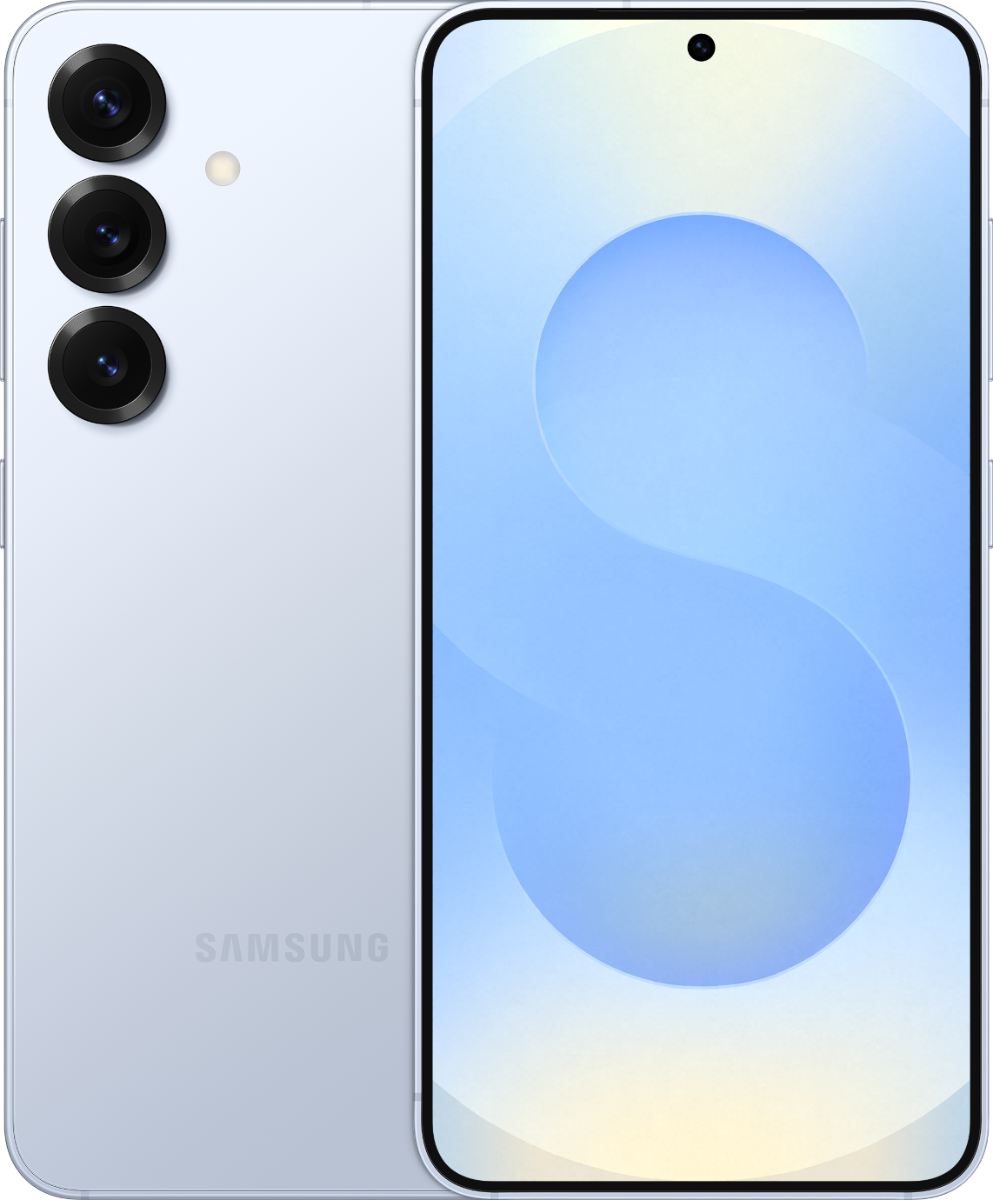
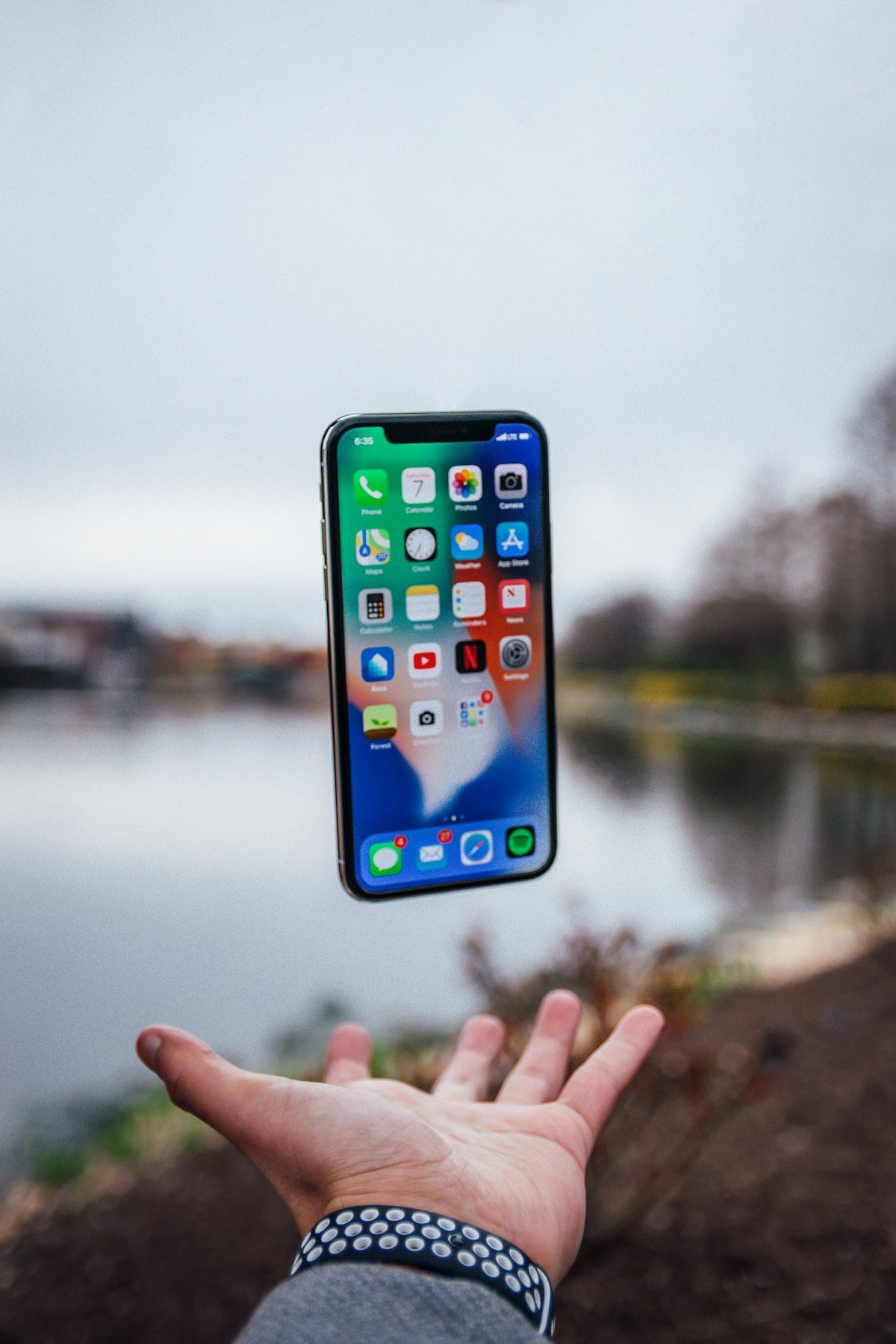
Three handsets that show the range
The Apple iPhone 17 256GB was listed at £799.00 on the SIM-free iPhone page when I checked. It combines a 6.3-inch Super Retina XDR display with ProMotion up to 120Hz, an A19 chip, Apple Intelligence and a 48MP Fusion camera system. The 256GB starting storage is a practical point in its favour. If you take lots of photos or keep downloaded video, it is easier to recommend than a smaller base configuration.
- Best all-round iPhone: the iPhone 17 for a current Apple platform and generous starting storage.
- Compact Android pick: the Samsung Galaxy S25 for a 6.2-inch display, 50MP triple camera and Galaxy AI.
- Big-screen camera choice: the Google Pixel 10 Pro XL for a 6.8-inch display, 5200mAh battery and Google AI tools.
- Value-conscious Apple option: the iPhone 16 if the older generation price is more important than having the newest model.
The Samsung Galaxy S25 was shown at £799.00 SIM-free, although its page also displayed an out-of-stock message during research. It brings a 6.2-inch Dynamic AMOLED 2X display, a Snapdragon 8 Elite for Galaxy processor, a 4000mAh battery and a 50MP triple camera. I like the proportions: it is lighter and less unwieldy than many large flagships. The caveat is important, however. Stock status and the price are live variables, so an attractive listing is not the same as an immediately available phone. Check the Samsung deal page immediately before ordering.
For a larger Android experience, the Google Pixel 10 Pro XL 256GB was listed at £849.00 SIM-free. The headline specification is strong: a 6.8-inch OLED display, 5200mAh battery, 50MP triple-lens camera and Google AI features such as Call Assist, Live Translate and Gemini. At 232g it is not a small handset, but that size makes sense for navigation, streaming and photo editing. This is the model I would shortlist for someone who prioritises camera software, a large screen and long-term Google updates.
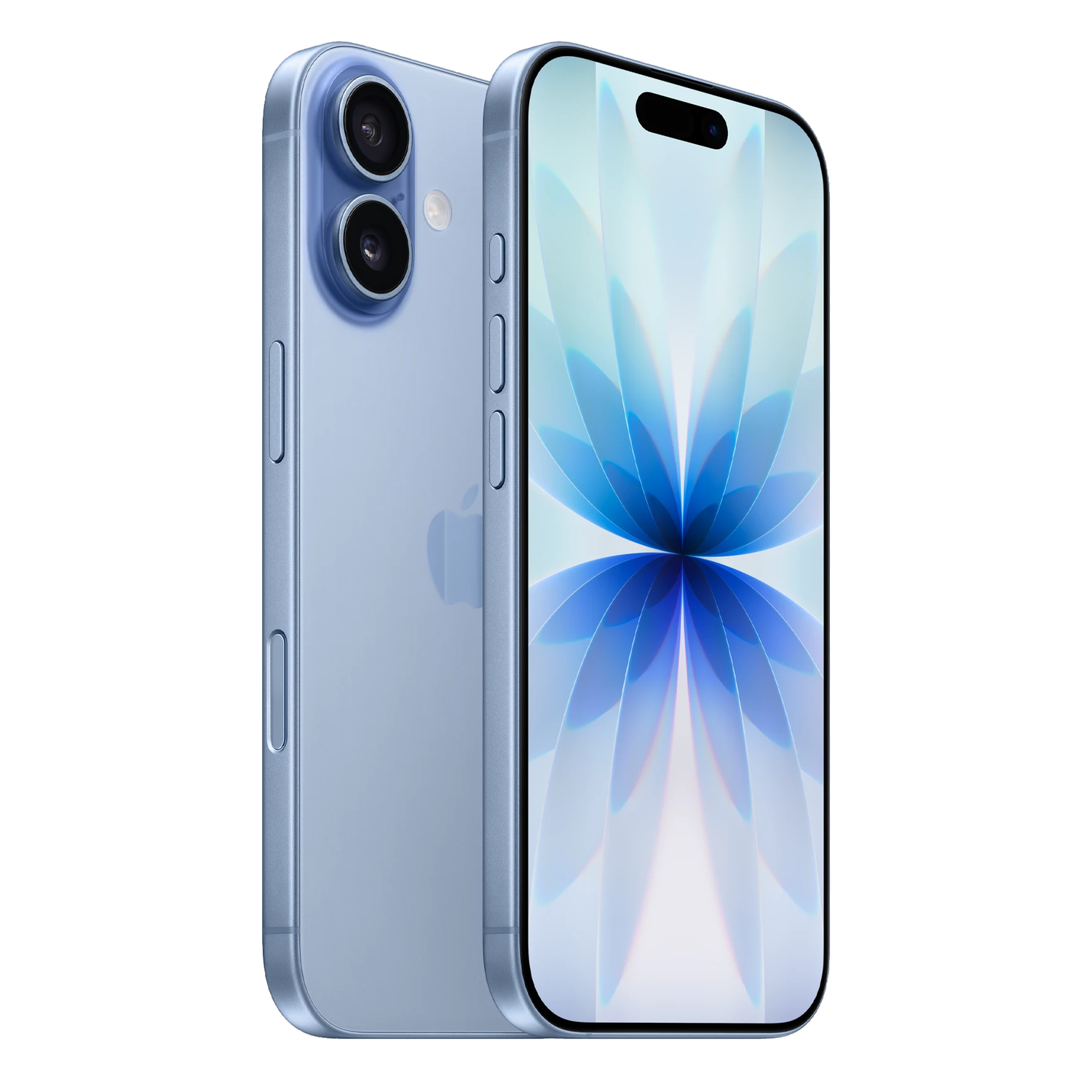
The older Apple iPhone 16 128GB gives the comparison some perspective. Its SIM-free price was shown as £699.00, with a 6.1-inch Super Retina XDR display, A18 chip, 48MP Fusion camera and IP68 resistance. Saving £100 against the iPhone 17 may be worthwhile if you do not need ProMotion or the newer camera and front-camera features. The important test is not whether it is technically older. It is whether the saving is large enough to make the storage and generation trade-off feel comfortable. Compare the iPhone 16 options with current contract pricing too.
→ Compare SIM-free phone prices
The catches I would not ignore
Phone deals are rarely just handset prices. A contract can look cheap at the monthly level while the upfront cost, annual price increase, data allowance and total cost change the calculation. I would write down the full term cost before comparing it with a SIM-free phone and a separate SIM-only plan. The cheapest-looking monthly figure is not automatically the cheapest route.
- Check the total cost of ownership, including upfront payment and every monthly payment.
- Check whether the listing is in stock, especially for popular Samsung and Google models.
- Confirm whether the handset uses a physical SIM, eSIM or both.
- Compare storage before comparing colours. A low price can reflect a smaller capacity.
- Read annual price-rise wording and the network’s roaming or data conditions.
eSIM deserves special attention. The iPhone 17, iPhone 16 and Galaxy S25 pages I reviewed carried eSIM notes, and the exact combination of physical SIM and eSIM can vary by model. That is not a problem for most buyers, but it can be a nuisance if you are transferring a number or want to keep two lines active. I would check compatibility with your current provider before ordering, especially if you are moving from an older phone.
There is also a normal retailer-service risk. Customer reviews on the product pages include praise for fast ordering and delivery, but also complaints about delivery, support and faults. That mixed picture is more useful than a perfect-looking testimonial wall. My advice is to keep the order confirmation, note the promised delivery date and use the official tracking and help routes if something slips. Good value includes the after-sales process, not only the checkout price.
Who should use Mobiles.co.uk?
Mobiles.co.uk is strongest for comparison shoppers. It suits someone who knows whether they want a contract , upgrade, SIM-only plan or SIM-free handset and wants to compare several mainstream brands in one session. It is especially useful if a network incentive, cashback route or free gift changes the value of a particular deal. The store is less suitable for someone who wants a single simple price with no variables to investigate.
My own shortlist would be the iPhone 17 for the safest current Apple choice, the Galaxy S25 for a smaller Android flagship, and the Pixel 10 Pro XL for a large screen and AI-led photography. The iPhone 16 remains the sensible fallback when the £100 saving matters more than the newest feature set. Prices and availability can move, so use these figures as a review snapshot rather than a promise.
Final verdict
Mobiles.co.uk earns a cautious recommendation. Its strengths are breadth, familiar handset brands, several buying routes and useful practical information. Its weaknesses are the complexity of contract pricing, changing stock and the need to inspect eSIM, storage and annual increases closely. I would shop there when the exact deal solves a clear need, then compare the total cost against a SIM-free handset plus a SIM-only plan. That approach turns a busy catalogue into a useful shortlist.
Is Mobiles.co.uk a legitimate retailer?
Yes. It has operated since 1995 and is a trading name of Currys Retail Limited. As with any phone purchase, check the exact deal, network terms, delivery information and returns policy before paying.
Is SIM-free better than a contract?
Not automatically. SIM-free gives you more network freedom and a clear upfront cost, while a contract spreads payments and may include data or incentives. Compare the full cost over the same period.
Do prices and stock change?
Yes. The reviewed pages showed different stock states and live prices, including an out-of-stock notice for the Galaxy S25. Confirm the current product page before making a decision.