
A pond can become the calmest part of a garden, but getting there is easier when you build the system in the right order. The practical route is to measure first, match equipment to the water volume, then add circulation, filtration and finishing touches. Pondkeeper is a natural place to do that because its range covers pond pumps, filters, liners, treatments, lighting and spares in one specialist shop.
This guide walks through the decisions that matter, from choosing a pump to checking the final installation. It also highlights specific products, including the PondXpert SunnyPump 900 Pump, so you can turn general advice into a sensible shopping list.
→ Start planning with Pondkeeper
Pond size
Begin with length, width and the deepest point. For a roughly rectangular pond, multiply those measurements and then apply a depth adjustment. An irregular pond needs several smaller measurements, but an approximate volume is still far better than guessing. Record the result in litres, along with the distance from the pump to the filter and the height of any waterfall or fountain.
- Length and width: measure the widest usable areas.
- Depth: note both the average and deepest points.
- Pipe run: include bends, rises and the return route.
- Wildlife: decide whether fish, plants or visiting amphibians need protection.
These notes help you compare the pond pump range, filter options and pond hose sizes without relying on the biggest number in a product title. They also reduce the chance of buying a pump that looks powerful but loses flow at the height you actually need.
Pump duties
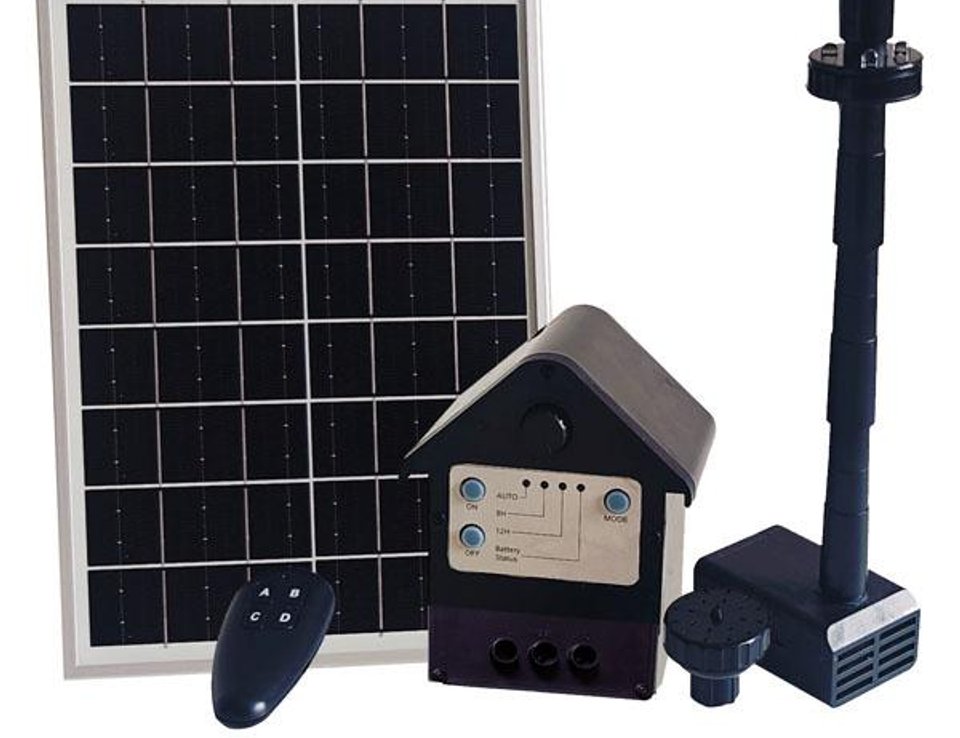
Decide what the pump must do. A small fountain or bubbling feature has a different requirement from a pump that must push water through a filter and up a waterfall. The PondXpert SunnyPump 900 Pump is a useful example for a sunny feature: the listing describes it as a solar pond pump. It is most suitable when you want a straightforward fountain in a position that receives direct sun.
For a pump that feeds filtration, check the stated flow against head height and hose diameter. A sensible shortlist from Pondkeeper’s pump section should include the SunnyPump 900 for a solar feature, while larger installations may need a dedicated filter pump or a complete set. Always leave room for real-world friction in the pipework.
→ Compare pond pumps at Pondkeeper
Filter capacity
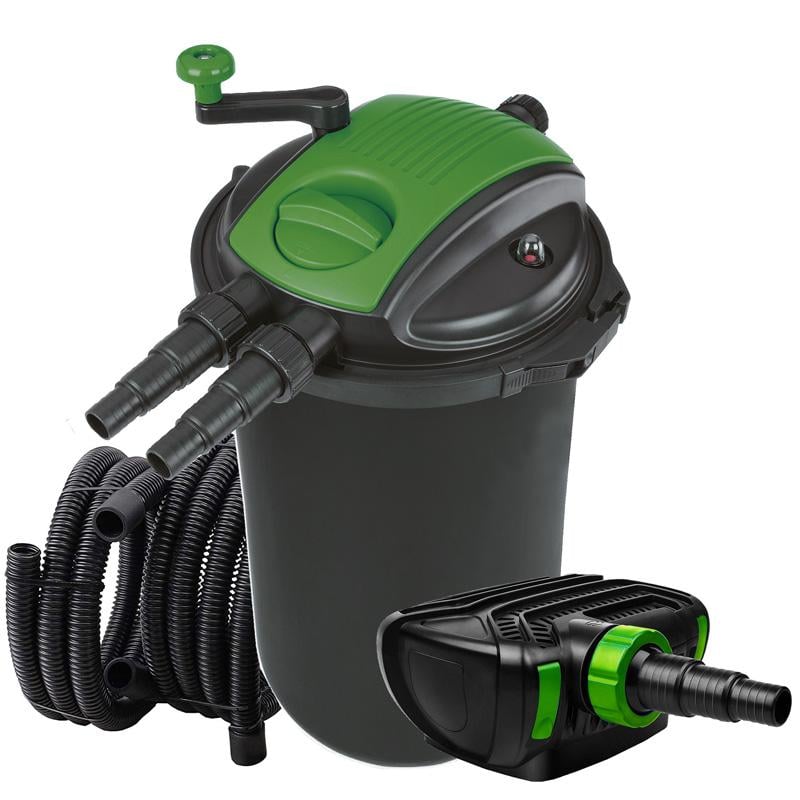
Filtration is where many first installations go wrong. Match the filter to the pond volume, fish load and intended flow, then leave access around it for cleaning. The Hozelock Bioforce Revolution 14000 Filter and Aquaforce 8000 Pump Set is a substantial combined option. Its appeal is convenience: one product page brings together a Bioforce filter and Aquaforce pump, which can make a larger setup easier to plan.
- Check the manufacturer’s suggested pond capacity.
- Allow extra capacity if the pond is heavily stocked.
- Keep the filter accessible for rinsing and media checks.
- Plan a safe overflow route before filling the pond.
If you need a higher-capacity solution, the PondXpert SpinClean Auto 40000 Filter – 55w UVC is a higher-capacity option. The model name makes its headline specification clear, while the UVC element is aimed at helping manage green water. Treat that as part of a complete system, not a substitute for sensible stocking, shade and regular maintenance.
Use Pondkeeper’s filter categories to compare gravity, pressure and UVC-led choices. The site’s pond calculator is also worth checking before you commit to a size.
Installation order
Lay out the equipment before connecting anything. The pump should be stable and protected from large debris, the inlet hose should avoid sharp kinks, and the filter should sit where you can reach its cleaning points. Use the right connectors and secure every hose clamp. If the system includes a waterfall, test the return route with a short run before hiding pipework under stones.
- Position the pump and check that the cable can reach a safe supply.
- Run the inlet hose with broad, gentle bends.
- Connect the filter, UVC or feature using compatible fittings.
- Fill gradually and inspect every joint for leaks.
- Switch on, then adjust the return flow before landscaping.
For electrical products, follow the manufacturer’s safety instructions and use suitable outdoor protection. Do not bury connections where you cannot inspect them. A tidy installation is useful, but a serviceable installation is better. Keep the pond spares section in mind when you choose fittings, because a replacement connector is easier to source when you know the model.
→ Find pond equipment and fittings
Lighting and upkeep
Lighting should add atmosphere without becoming a nuisance for fish or neighbours. The PondXpert Pondolight 3 LED Lights – Twin Pack gives you a concrete option for highlighting a planting shelf, stream edge or small feature. Place lights so the cables remain accessible and avoid aiming bright beams directly across the water.
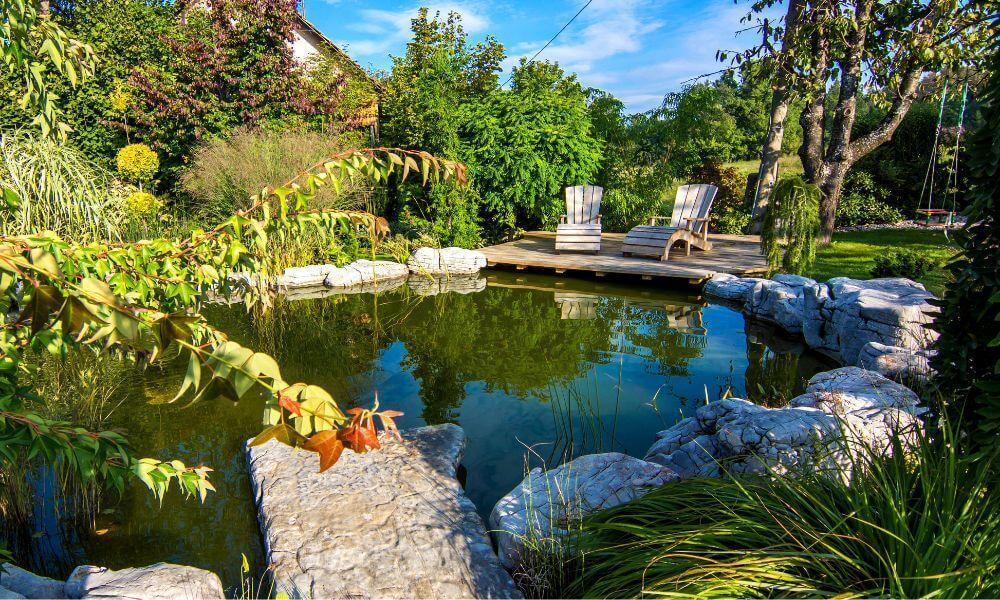
Once the pond is running, keep the routine small and regular. Remove leaves, check the pump intake, rinse filter media in pond water when appropriate and watch for unusual smells or surface film. Pond treatments can be useful when the problem is identified, but avoid adding products simply because the water looks different after a hot spell. Plants, shade and circulation all affect the result.
- Weekly: remove surface debris and inspect the water return.
- Monthly: check hoses, fittings and the pump intake.
- Seasonally: review plants, lighting and filter media.
- After storms: check water level, overflow and electrical safety.
That is where a specialist retailer earns its place. Pondkeeper’s pond accessories, pond plants and spares make it easier to solve the next small problem without rebuilding the whole setup. The brand also highlights free delivery above a minimum order value, online trading since 2005 and a stated 98% Feefo rating, which are useful practical signals when comparing suppliers.
Before you order
Before you place an order, make sure you can answer these questions:
- What is the pond’s approximate volume?
- Is the priority a fountain, filter, waterfall or all three?
- Where will the filter sit, and can you reach it easily?
- What fittings, hose and electrical protection are required?
- Which parts will need seasonal cleaning or replacement?
Having those answers makes the wide Pondkeeper collection much easier to navigate. You can compare pond kits, water features and pond lighting against the job you actually want to complete.
Pondkeeper FAQ
Is Pondkeeper suitable for a first pond project?
Yes, especially if you measure first and use the site’s specialist categories and guidance. The range is broad, so a first-time buyer should narrow the search by pond volume, equipment job and available space.
Which product should I start with?
Start with the component that solves the main problem. Choose a pump for circulation, a properly sized filter for water quality or a light for evening visibility. The SunnyPump 900 is a clear solar-feature example, while the Bioforce set suits a more substantial combined system.
How can I avoid buying the wrong size?
Write down water volume, head height, hose length and fish load before comparing products. Then check the manufacturer’s capacity guidance and leave access for cleaning. That short preparation is more reliable than choosing by price alone.