
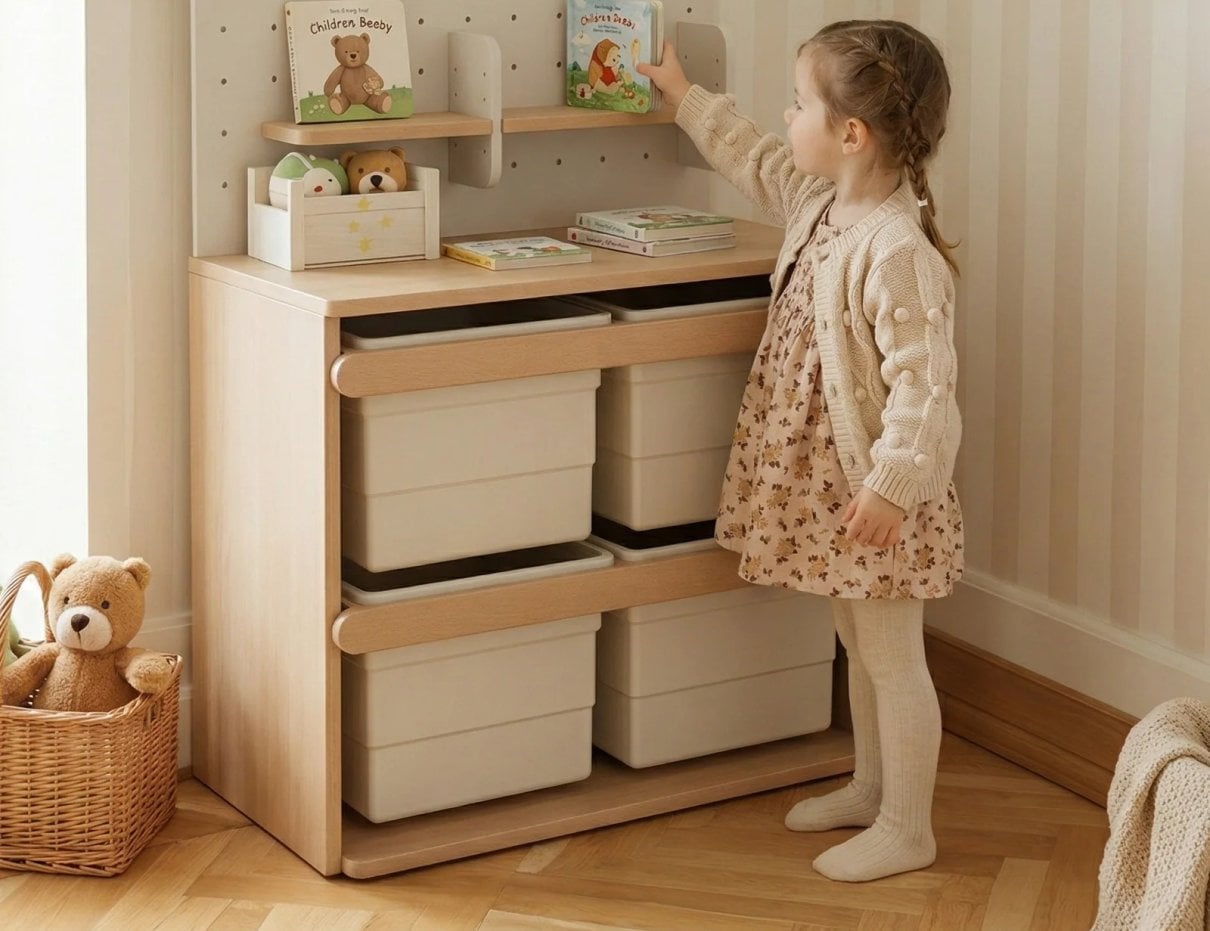
A room-by-room planning guide to matching children’s furniture with the activities, storage needs and floor space you actually have.
A children’s activity area can end up doing several jobs: drawing, puzzles, reading, homework and the everyday sorting of toys. The useful question is not how to fill a spare corner, but which pieces will support the routines your household already has.
We reviewed the product information on the UK Boori store to map out a practical shortlist. The range includes children’s tables and chairs, study seating and storage, so planning around the room and the child’s activities helps narrow it down.
Disclosure: this post includes affiliate links, and we may be paid a commission on purchases made through them.
→ View Boori children’s furniture
The short version
- Choose the Tidy Table with two Chair Bundle when a shared surface for drawing, puzzles and craft is the priority.
- Consider the Elite Study Chair with Seat Cushion Set for a dedicated desk chair, checking adjustment and desk compatibility.
- Use the Tall Tidy Rotating Bookshelf when accessible book storage matters, while measuring its footprint and turning clearance.
- Plan the activity zone around clear movement paths, reachable materials and a reset routine before adding extra furniture.
Start with activities
List the tasks the space needs to handle in an ordinary week. A child who draws and builds may need a clear, wipeable work surface and supplies within reach. A reading corner has different needs: comfortable access to books and enough room to sit without blocking a route through the room. If the area has to serve both, favour pieces that can be tidied quickly and do not dominate the floor.
The Tidy Table with two Chair Bundle is a logical starting point for shared activities because the listed bundle pairs a table with two chairs. That arrangement can suit siblings or an adult joining in, while a single child can use one chair and keep the second available for a friend or project. Check the product page dimensions against the intended spot before deciding; measure twice if the fit is close.
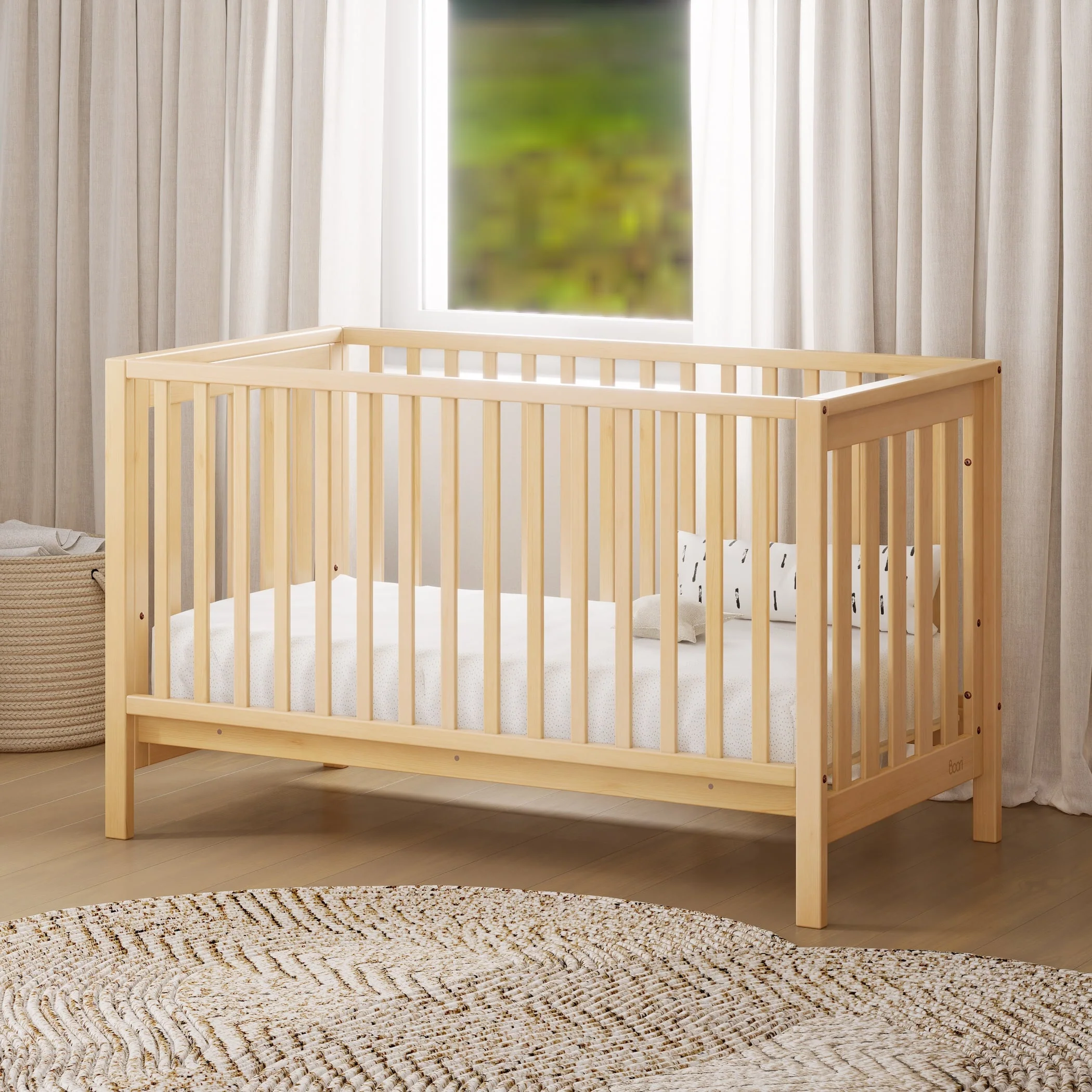
For a room where sitting tasks and active play share space, mark the movement route before choosing furniture. Leave a clear path to the door and avoid placing a chair where it must be moved every time someone crosses the room. A simple paper outline on the floor can make the furniture footprint easier to judge than estimating from a screen.
→ Explore Boori table and chair options
Match seats to use
Next decide whether the seat belongs at a general activity table or at a more focused desk. A flexible creative zone may only need chairs that fit the table and can be pulled away easily. Regular writing or computer work calls for closer attention to posture, height and how the chair relates to the desk.
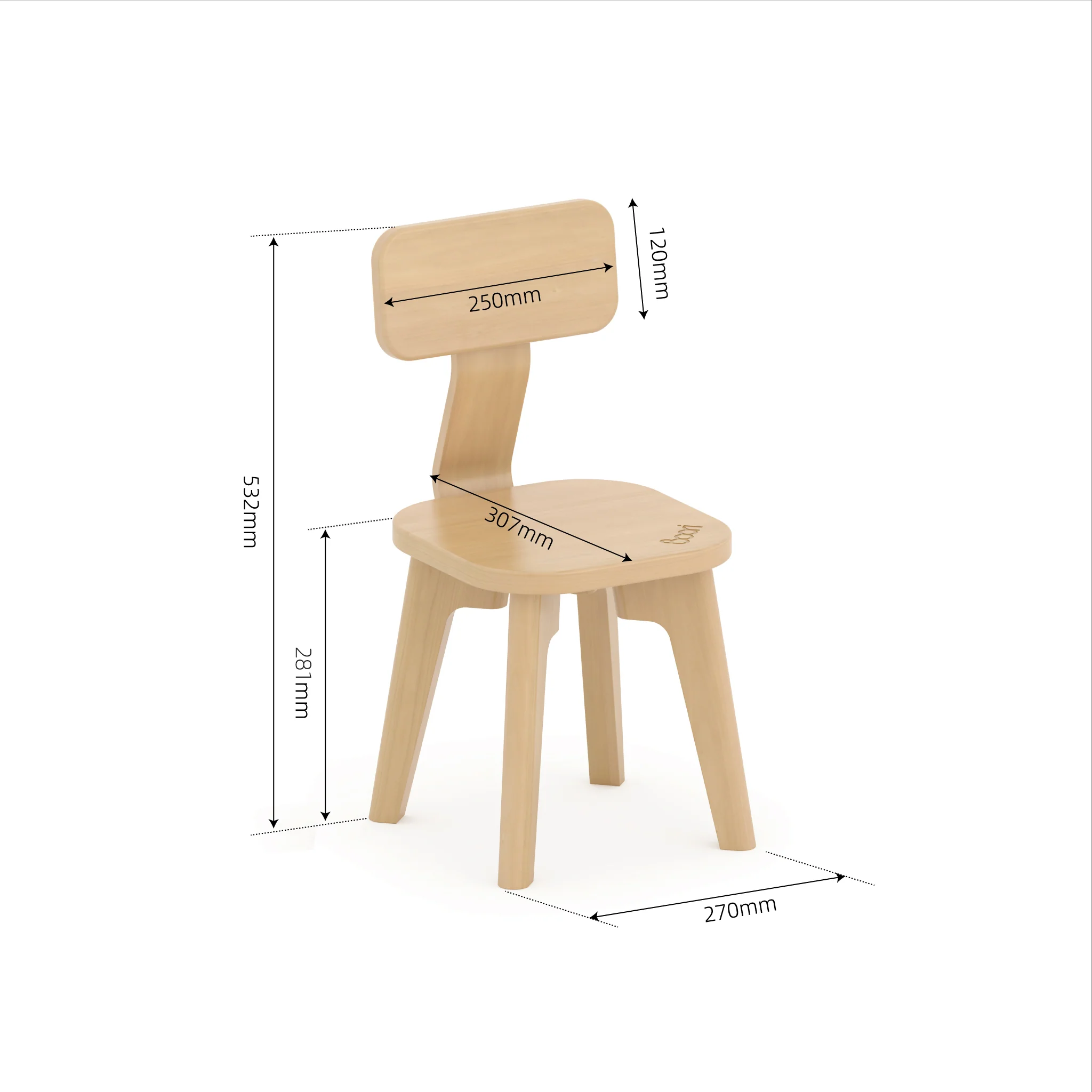
Boori lists the Elite Study Chair with Seat Cushion Set as a study seating option. The name indicates a seat cushion is included in this set; compare the listing’s configuration and measurements with the desk, and consider whether the room has enough clearance for the chair’s movement. A dedicated study chair can be useful when desk work has a regular place, but it may be unnecessary for occasional colouring at a small table.
- Measure the child’s current desk and the available seat height range shown on the listing.
- Check that the chair can move without striking storage, walls or nearby furniture.
- Think about whether the activity space needs one seat, two seats or a seat that can be put away.
These checks are more useful than choosing by appearance alone: fit comes first. Product details can describe a chair’s functions, but the room measurement and desk pairing determine whether it works in your layout.
Keep supplies reachable
Storage should make the end of an activity easier, not create another obstacle: put-away should be simple. Group the things used together, keep frequently chosen books or materials where a child can reach them, and leave some open space for items that do not have a fixed home. Before adding a cabinet, count what it will hold and decide how often those contents are used.
The Tall Tidy Rotating Bookshelf is a specific option for families who want book storage in the activity area. Its rotating format may make several sides accessible from one position, but the store’s dimensions and the clearance needed to turn it should guide placement. Confirm how it fits alongside other furniture rather than assuming a rotating unit can sit in any narrow gap.
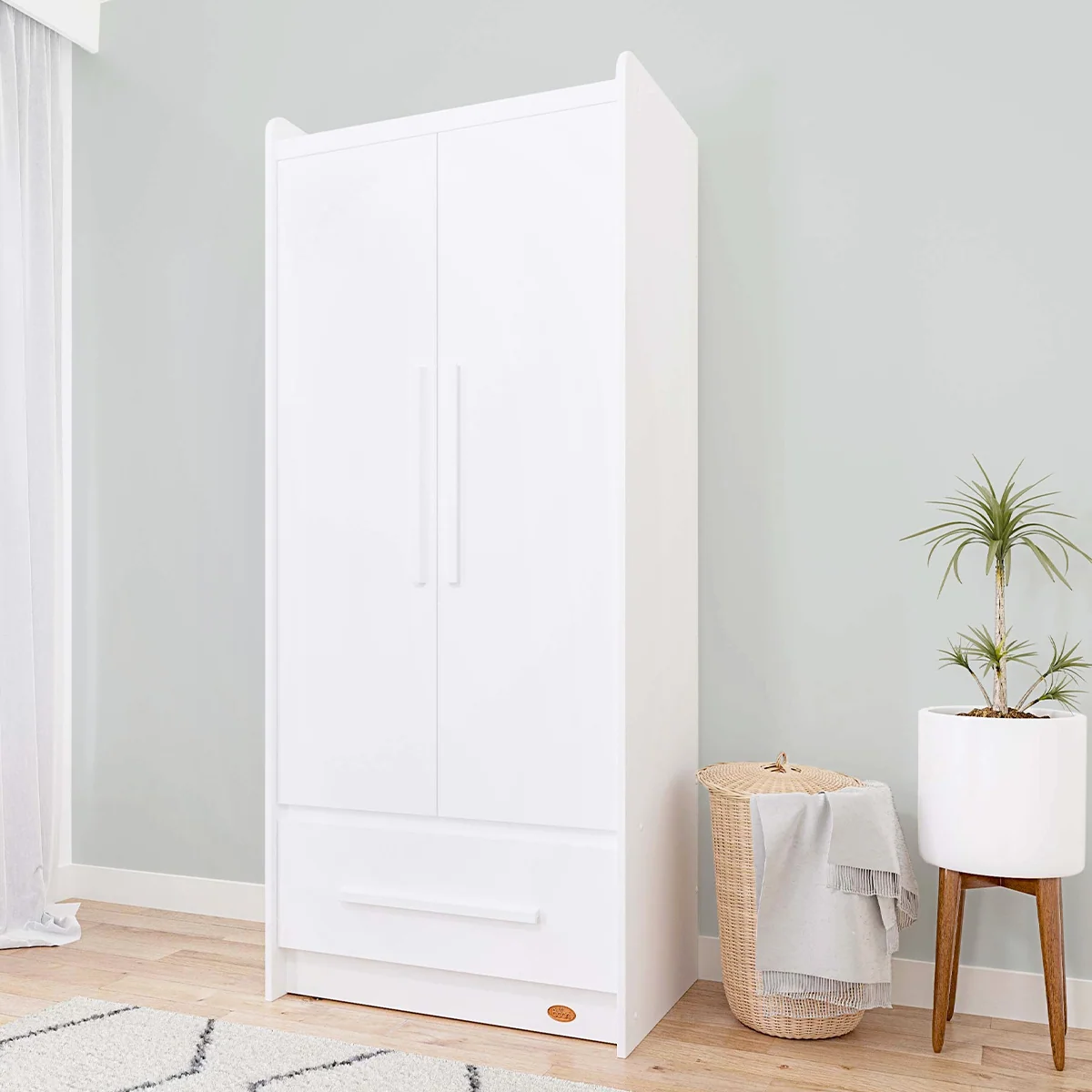
A lower drawer unit offers a different kind of organisation: it can hide loose supplies and keep the room looking calmer between sessions. Boori’s children’s furniture listings provide dimensions and configuration details, so check drawer access and the usable space in front of it. A unit that opens into a walkway can make an otherwise tidy plan awkward.
- Store daily-use materials at a reachable height.
- Keep book storage near the place where reading happens.
- Leave a clear surface or basket for unfinished projects, so they do not spread across the room.
- Set a brief reset routine that returns supplies to one dependable location.
Measure before ordering
Take three measurements: furniture footprint, the space needed to use it, and the route by which it will enter the room. A table may fit against a wall but still need chair-pull space. A rotating shelf needs room around it; a drawer needs room in front. Include skirting boards, radiators, doors and cupboards in the plan.
Then check the current UK product listing for dimensions, materials, what is included and any assembly or delivery information provided there. Bundles deserve an extra check: confirm each named component in the listing so you know what the package covers. The table-and-chair bundle details, study chair configuration and bookshelf dimensions are all worth comparing before settling on a layout.
Cost will depend on the piece, its configuration and whether a listing is for a bundle or a single item. We avoid fixed price claims here because listings can change; use the product page for current pricing and availability. Where two options seem close, compare what is included and how much usable room each arrangement leaves.
Questions buyers ask
Is a table bundle useful for one child? It can be, if the second chair will be used by a friend, sibling or adult, or kept ready for another activity. If not, compare the bundle contents with a simpler setup and consider the storage and floor space required.
Which storage should come first?
Start with the items that currently create the most clutter. Books that are chosen often may benefit from an accessible shelf; small craft materials may be easier to contain in closed storage. Match storage to the contents and measure the opening space as well as the unit itself.
How should I compare listings?
Compare dimensions, included components, materials, configuration and the activity each piece supports. Then check the current product page for availability and pricing, since both can change.
Our take
For a mixed-use creative corner, we would begin with the activity surface and the storage routine, then add a dedicated study seat only if desk work needs its own setup. Boori’s named table bundle, Elite study chair and rotating bookshelf provide clear options to compare across those roles.
The limitation is that a good fit depends on your measurements and the child’s needs; product listings cannot decide the room plan for you. Check dimensions, bundle contents and current availability on the UK store before making a shortlist.