
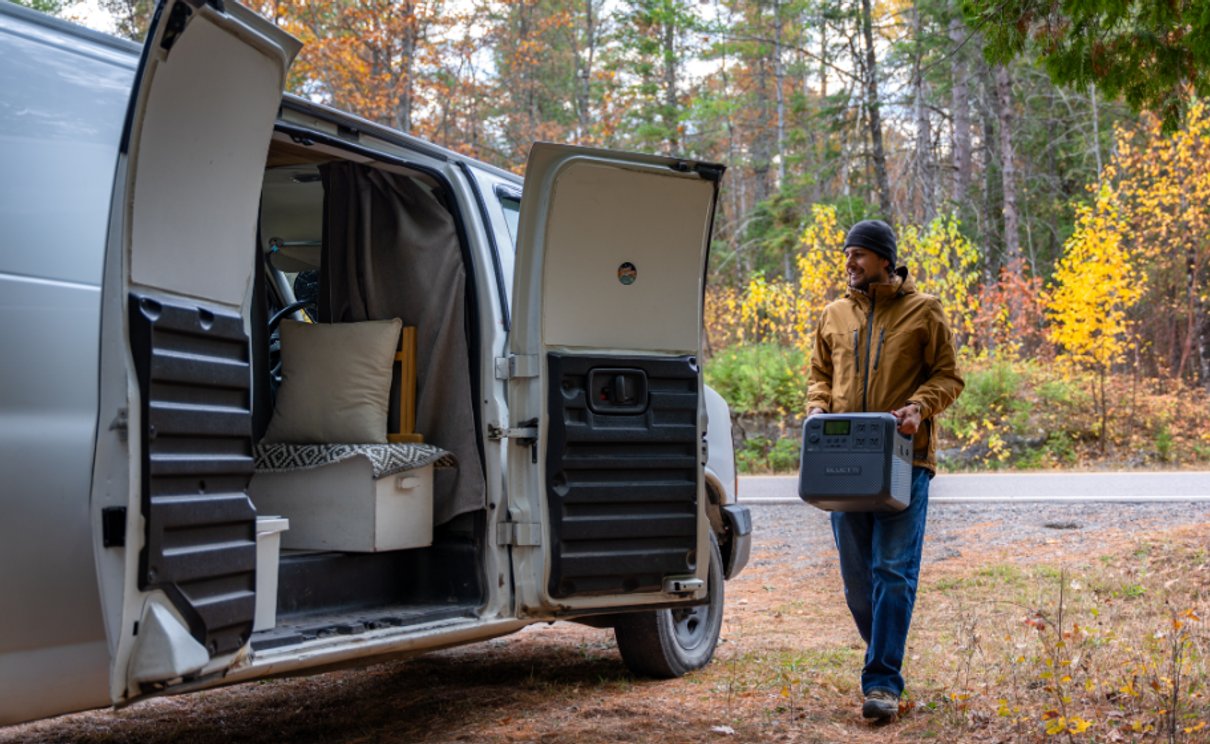
Match BLUETTI’s portable stations to fall camping, RV stops and backup needs by considering device load, recharge opportunities and the space you can spare.
Autumn camping has its own power puzzle: evenings arrive earlier, temperatures drop, and a weekend may include more time inside a tent or vehicle than a midsummer trip. The right portable power station depends less on the season’s mood than on the equipment you actually plan to run and how you will recharge it.
We looked at BLUETTI Canada’s portable lineup with fall camping and road trips in mind. The Elite 200 V2, AC180 and Elite 300 serve different load and portability needs, and none should be treated as a substitute for checking appliance requirements or following safe battery use guidance.
Disclosure: this post includes affiliate links, and we may be paid a commission on purchases made through them.
→ Check current BLUETTI portable station options
The short version
- The Elite 200 V2 suits camps that need to run several devices or selected higher-draw appliances.
- The AC180 is a more compact choice for shorter trips and lighter power needs.
- The Elite 300 is worth considering when longer stays call for more stored energy and there is room to carry it.
- Solar panels and vehicle chargers may be separate or bundled, so compare the included accessories on BLUETTI Canada’s current listings.
- Plan charging around daylight, site rules and the manufacturer’s temperature guidance before setting off.
Start with the trip
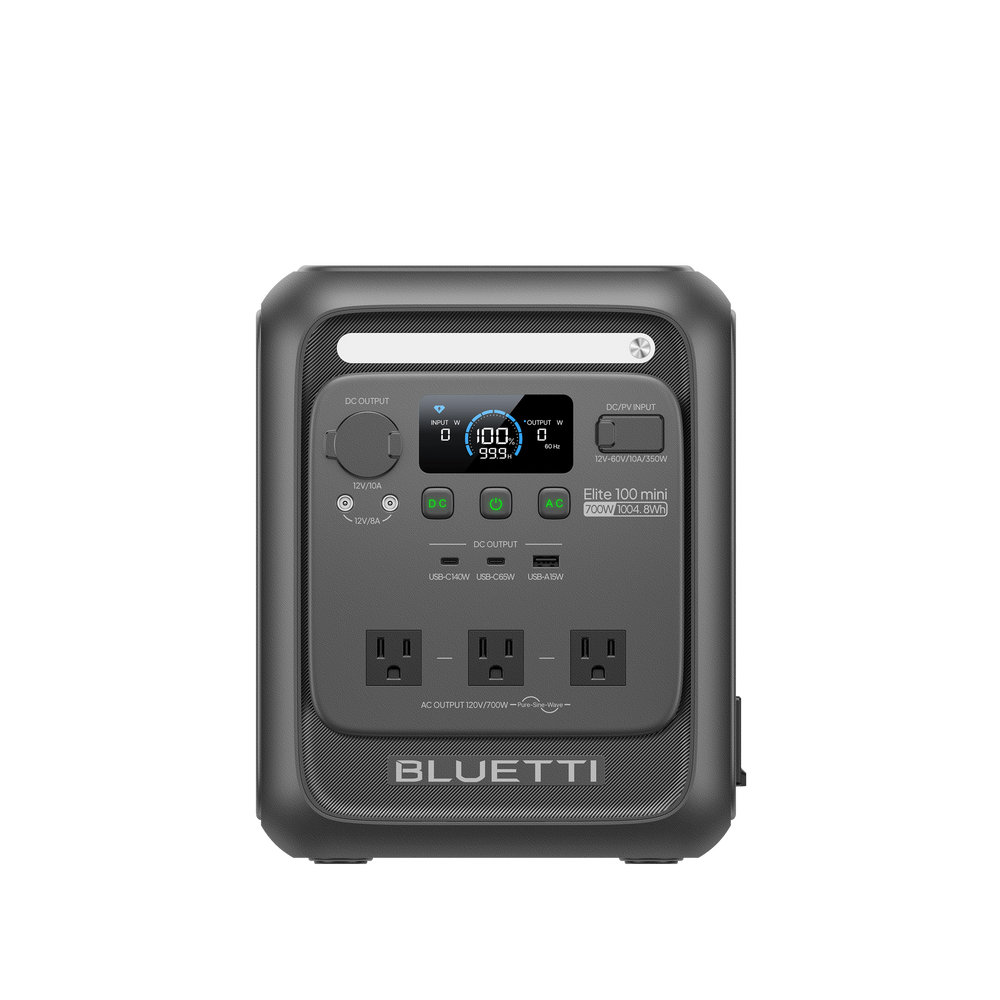
Before comparing products, write down the devices you expect to use. A phone and headlamp are a very different job from a laptop, camera batteries, electric cooler or small kitchen appliance. Check each device’s input rating, then consider whether several could run at once. BLUETTI lists the Elite 200 V2 with a mix of AC outlets, USB-A, USB-C and a vehicle-style DC outlet, giving a group more ways to connect common gear.
That port variety is useful when people arrive with different charging cables, but ports alone do not determine runtime. High-draw equipment can deplete stored energy quickly, and the output rating is a ceiling for what can run at a time. Check the appliance label and the station’s manual, especially for equipment with a motor or heating element. The Elite 200 V2 product listing is the place to confirm its supported outputs and current bundle choices.
- List the loads: include lights, phones, laptops, camera gear and any cooking or cooling equipment.
- Separate essentials: decide what needs power overnight and what can wait until morning.
- Check simultaneous use: add the demand of devices that may run together, not only their individual maximums.
- Plan a recharge window: identify a wall outlet, vehicle charging option or suitable sunny location.
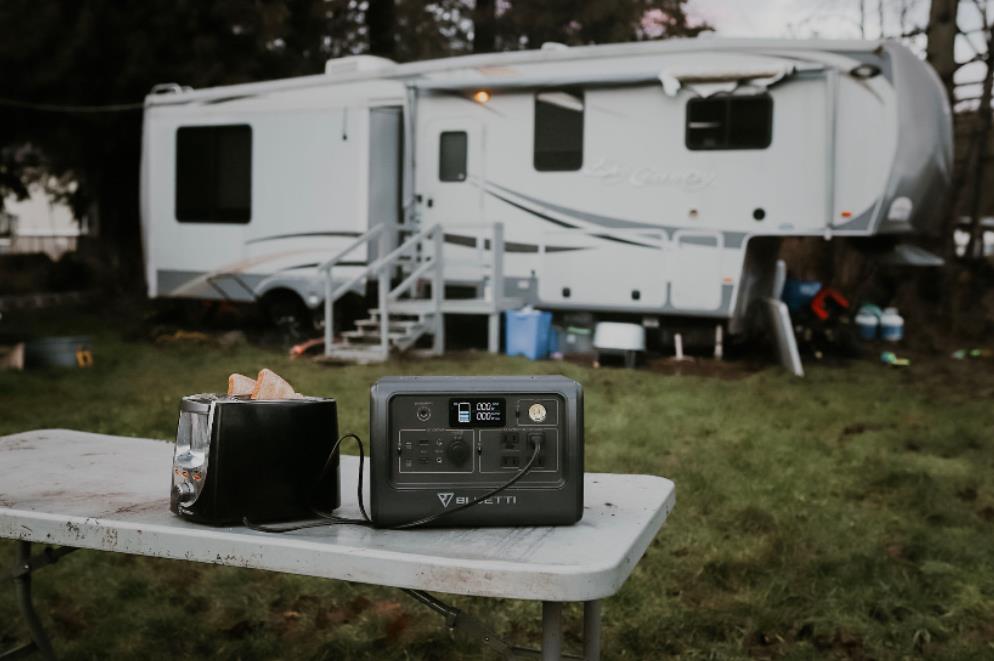
For a larger group or a longer stay, browse the Elite 200 V2 options on the Canadian product page and check which accessories each configuration includes. Bundles can add panels or a vehicle charger, but more gear also means extra storage space and setup time. If your trip is mainly a night or two at a powered campground, a smaller station may make more sense.
Three models to compare
BLUETTI’s range gives fall travellers a few practical size steps. The AC180 pairs a lower output ceiling with less stored energy than the Elite 200 V2. That makes it a sensible starting point for lighter loads and shorter outings, especially if the kit will be moved in and out of a car often. It still has multiple charging routes and app monitoring according to the Canadian listing.
Consider the AC180 if your main jobs are topping up personal electronics, running lights and keeping a few small essentials available. Its limit is straightforward: it offers less reserve for a string of cloudy days or a collection of higher-draw devices. The AC180 page lets you review its supported inputs and available solar bundles before choosing.
→ Check the current AC180 options
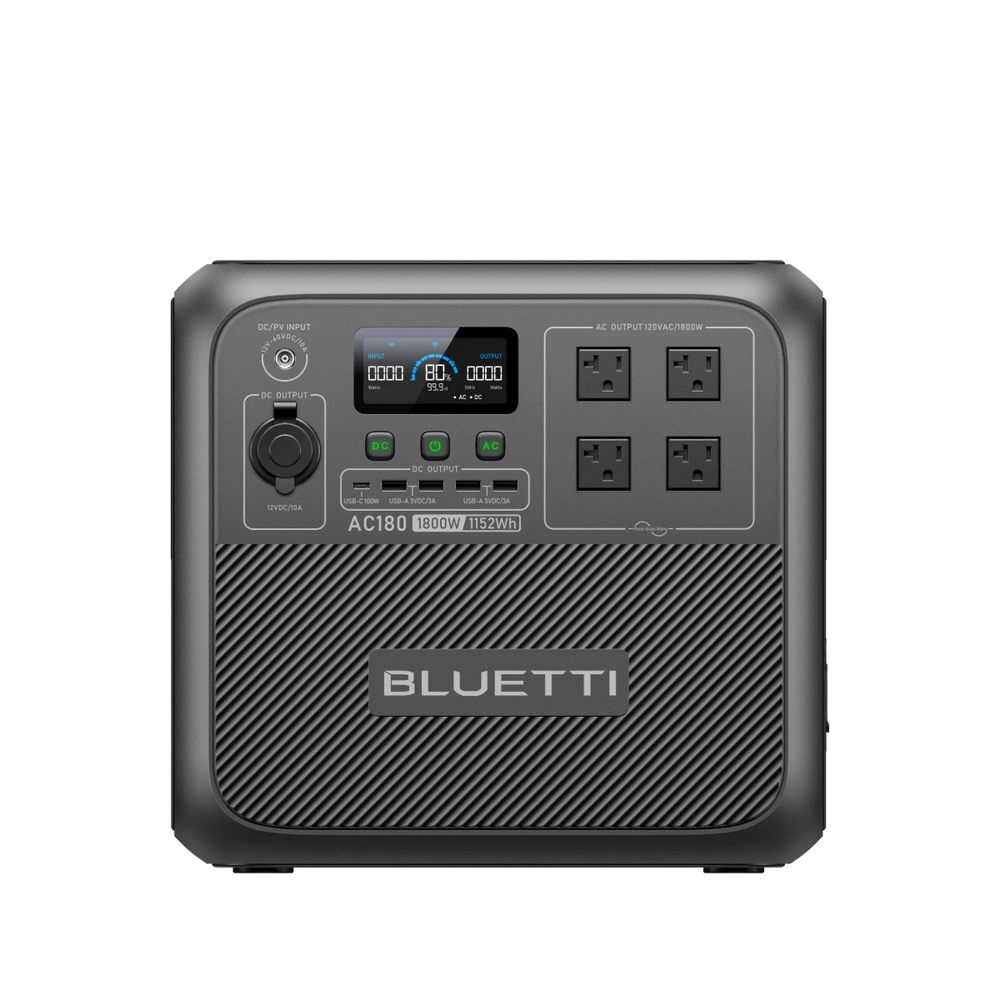
The Elite 200 V2 sits between a compact weekend station and larger backup-oriented equipment. BLUETTI lists four AC outlets, dual USB-C, USB-A and a car outlet; its page also describes solar input and app-based monitoring. For a fall road trip, those details matter when you want a station to cover more than phones but do not want a fixed home battery.
Its trade-off is physical: a high-capacity station occupies cargo space and can be a substantial lift. Think about where it will ride, where it will sit at camp and whether the campsite allows your planned charging method. Check the Elite 200 V2 listing for the latest configuration details, warranty terms and accessories.
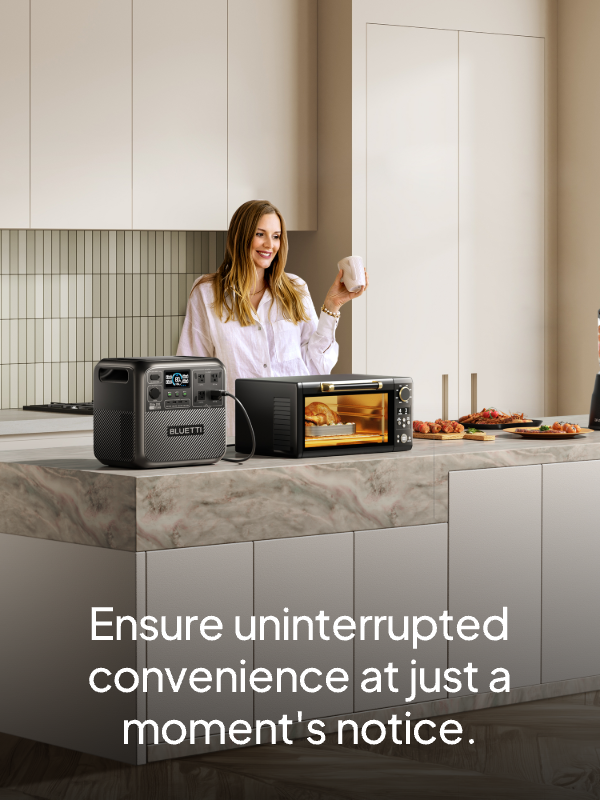
For people who expect longer off-grid stays or want more reserve at home between outings, the Elite 300 is the larger-capacity step. BLUETTI positions it for RVs and homes, and the Canadian store lists solar-generator configurations. Added capacity can be useful, but it also means more space and weight to account for. Look over the Elite 300 product page and compare the base station with any panel bundle you might actually use.
→ View the Elite 200 V2 product page
Fall charging plans
Shorter days change what solar can reasonably do. A panel that is productive during a long summer afternoon may have a narrower window in autumn, especially under cloud, tree cover or low sun. BLUETTI describes solar charging support for its models, but recharge time depends on panel size, sunlight, temperature, orientation and what else is drawing power. Do not build an itinerary around a best-case estimate.
If you will move between campsites, vehicle charging may be convenient; if you have a powered site, wall charging may be simpler. Check whether the cable or charger is included, since listings can pair a station with different accessories. Review the current BLUETTI Canada options for the Elite 200 V2, AC180 and Elite 300 before packing.
- Keep the unit dry and follow its manual for operating and storage temperatures.
- Choose a stable, ventilated location away from cooking flames and wet ground.
- Protect cables from foot traffic and avoid covering the station while it is operating.
- Keep a non-electric backup for essential needs; a portable station has finite stored energy.
Questions before packing
Can a portable station run a heater?
It depends on the heater’s rated draw, the station’s output limit and how long you need heat. Many space heaters use substantial power, so compare the appliance label with the station specifications and estimate runtime conservatively. Never use an outdoor power station to justify unsafe indoor combustion heating.
Should I choose solar or vehicle charging?
Choose based on your route and stops. Solar can help at a sunny site with room to position panels, while vehicle charging can fit a drive-heavy itinerary if you have a compatible charger. Both depend on conditions and may require separate accessories, so confirm the bundle contents and cable compatibility.
Which model is easiest to recommend for a weekend?
For light electronics and lights, the AC180 may be enough. If several people will charge devices or you want flexibility for selected appliances, compare the Elite 200 V2. Choose the Elite 300 when the extra reserve matters more than carrying and storing a larger unit.
Our take
For many fall campers, the Elite 200 V2 is the most balanced place to start comparing: its varied ports and mid-to-high capacity position cover a wider mix of trip needs than a compact station. The AC180 is the more sensible pick when reducing size and load matters, while the Elite 300 suits longer stays and home backup planning.
The limitation is the same across the range: a portable station cannot supply unlimited power, and solar output becomes less predictable as daylight fades. Match the unit to a real device list, confirm Canadian bundle contents and check BLUETTI’s current operating guidance before leaving.