
We compare Aetrex sandals, loafers, sneakers and heels by support, versatility, fit and the details that matter before you choose.
Choosing comfort footwear is rarely just a question of appearance. The better question is what kind of day the pair has to handle: standing at work, walking between errands, dressing for an occasion or managing a foot that needs more room and cushioning.
Aetrex gives shoppers several ways to answer that question. Its footwear range includes sandals, loafers, sneakers and heels, while the brand also sells orthotics and organizes products around activities and common foot concerns. We compared four recognizable options to see where each one makes the most sense.
This article contains affiliate links. If you buy through them, we may earn a commission at no extra cost to you.
At a glance
- Maria is the adjustable sandal pick; Collette is the polished loafer option.
- Tess is the strongest everyday sneaker choice, while Kristin suits dressier occasions.
- Aetrex builds arch support and cushioning into many styles, but fit and upper materials still vary.
- Current prices vary by style, size, color and store availability, so check each product page before ordering.
What Aetrex is really selling
The common thread is the Aetrex Orthotic System, which the brand says is built into its footwear. The store describes arch support intended to help stabilize and align the foot, plus memory foam cushioning in many models. That gives Aetrex a clearer point of difference than a generic soft shoe: the goal is support under the foot, not only a padded upper.
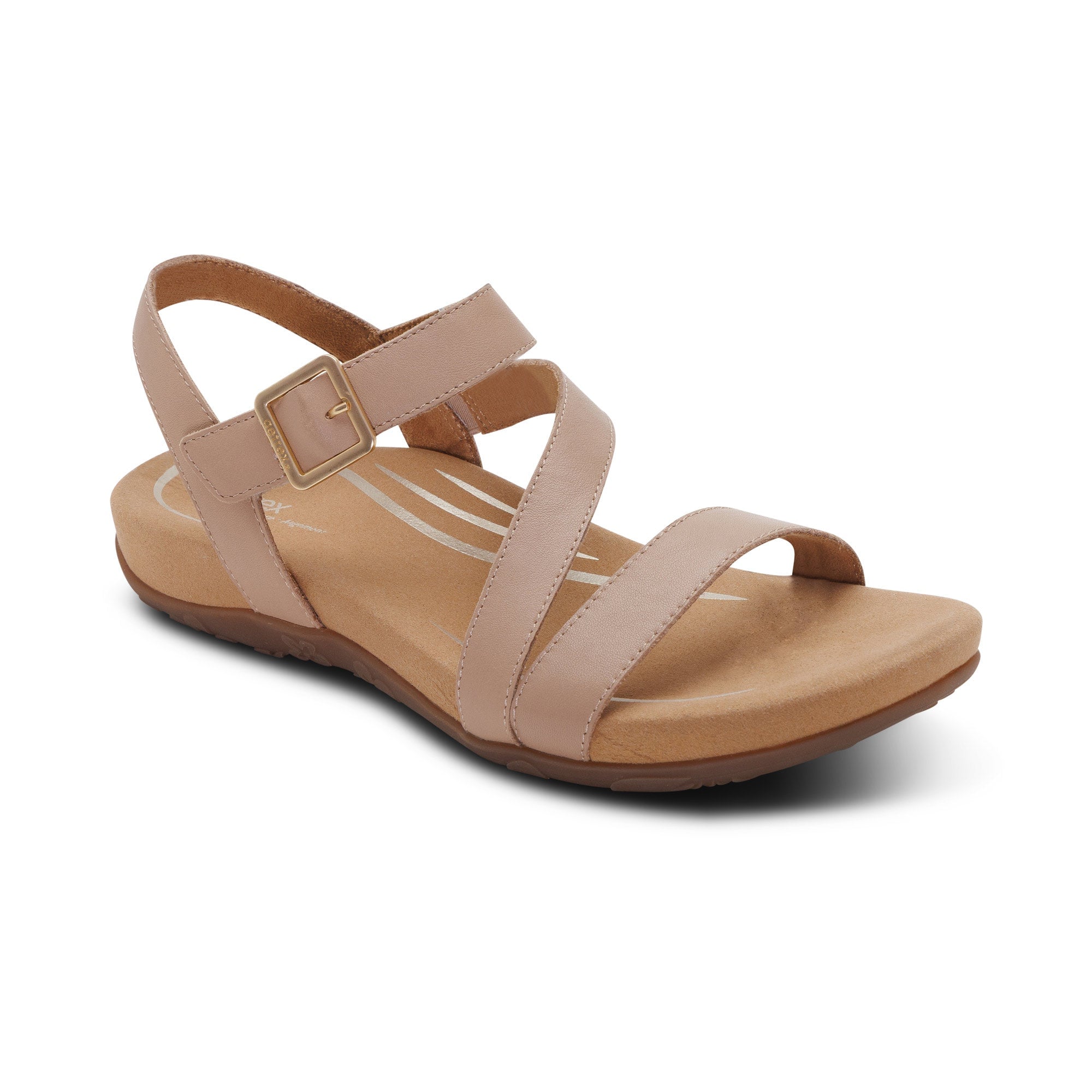
The other differentiator is data. Aetrex says its designs draw on millions of real foot scans. That does not mean every style will suit every foot, and it is not a substitute for clinical advice, but it explains why the range is structured around arch support, width, activity and condition-relief collections.
- Support: built-in arch structure is the recurring feature to look for.
- Cushioning: memory foam or lightweight foam changes the feel underfoot.
- Adjustability: straps, vamps and slip-on constructions affect how precisely a shoe can fit.
- Use case: a sneaker, sandal and dress shoe solve different problems even when they share support technology.
The main options compared
Our comparison starts with the products that make the differences easiest to see. The store lists each model with its own materials, closure and silhouette, so the right choice depends as much on your routine as on your preferred look.
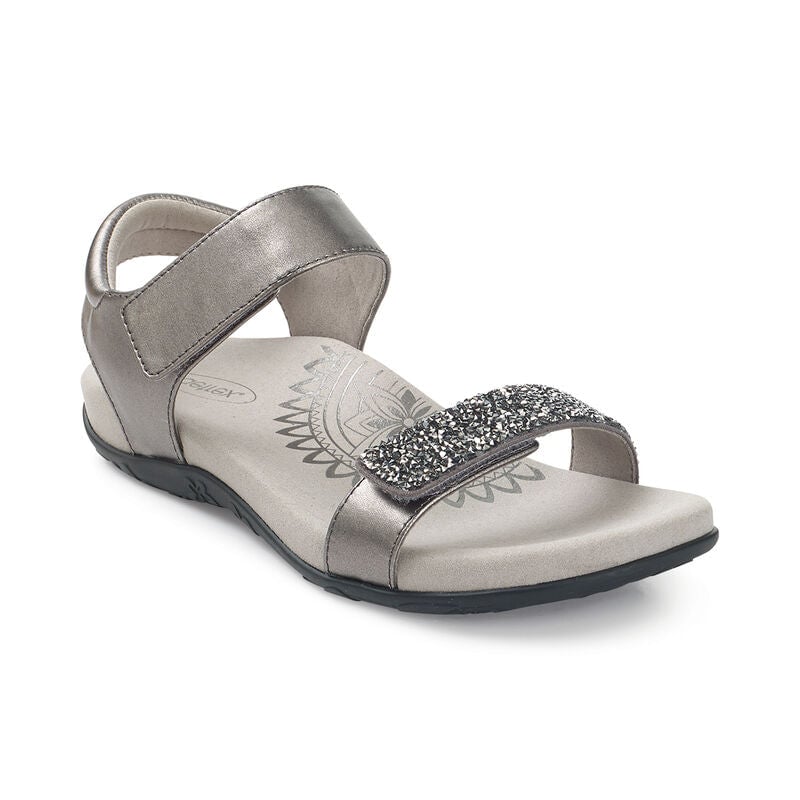
Maria Studded Quarter Strap is the most flexible warm-weather option of the group. A hook-and-loop closure allows adjustment, while the store lists a memory foam midsole, soft microfiber lining and rubber outsole. The jeweled gunmetal finish gives it more occasion range than a basic recovery sandal. Choose it when adjustability and open-air wear matter more than a closed toe.
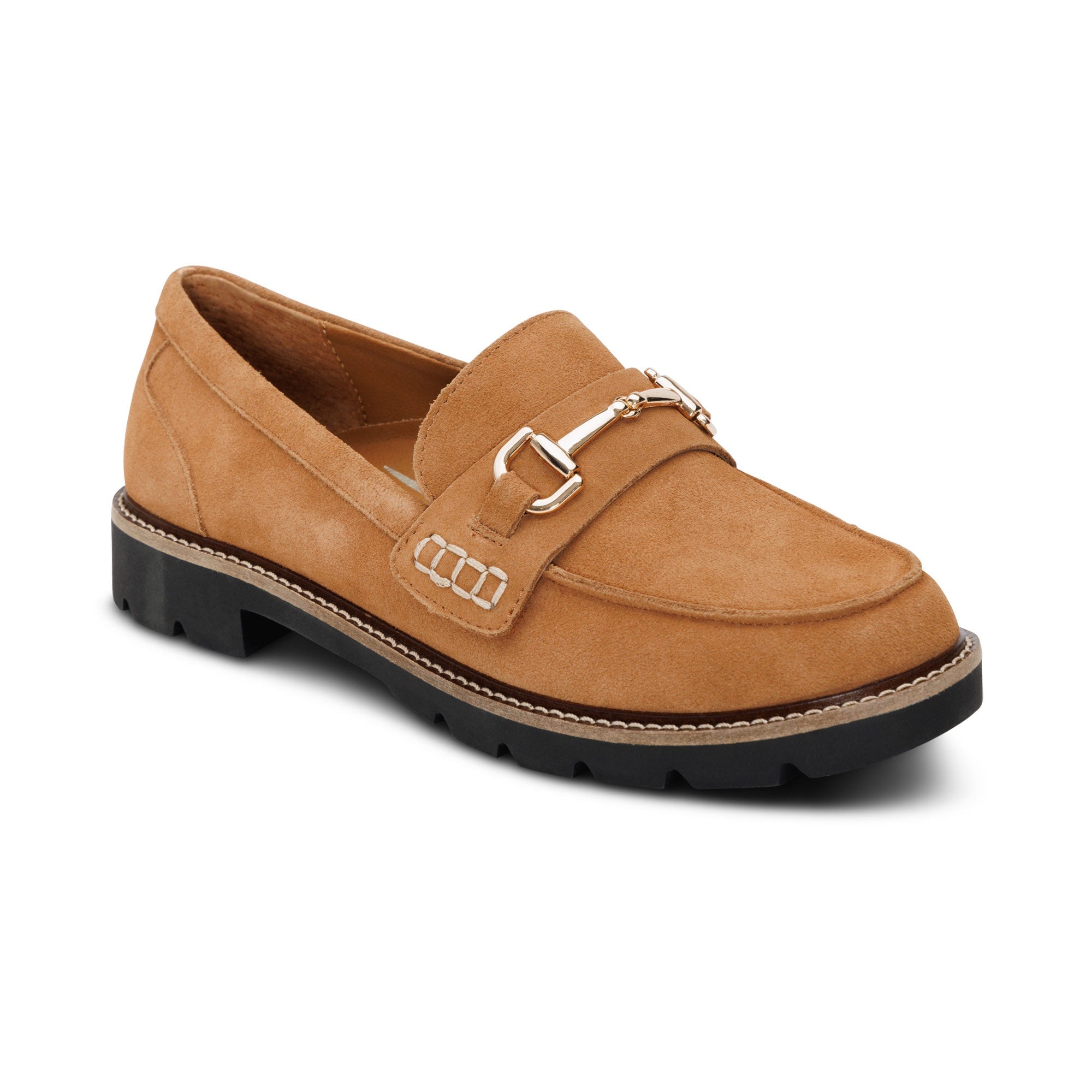
Collette Arch Support Loafer is the office-friendly middle ground. Its leather upper, adjustable vamp and lightweight EVA foam midsole make it more structured than a sneaker without abandoning comfort features. A metal shank is listed for added stability. This is the better fit for buyers who want a loafer profile for work or smart casual outfits, though suede and leather need more care than a washable athletic upper.
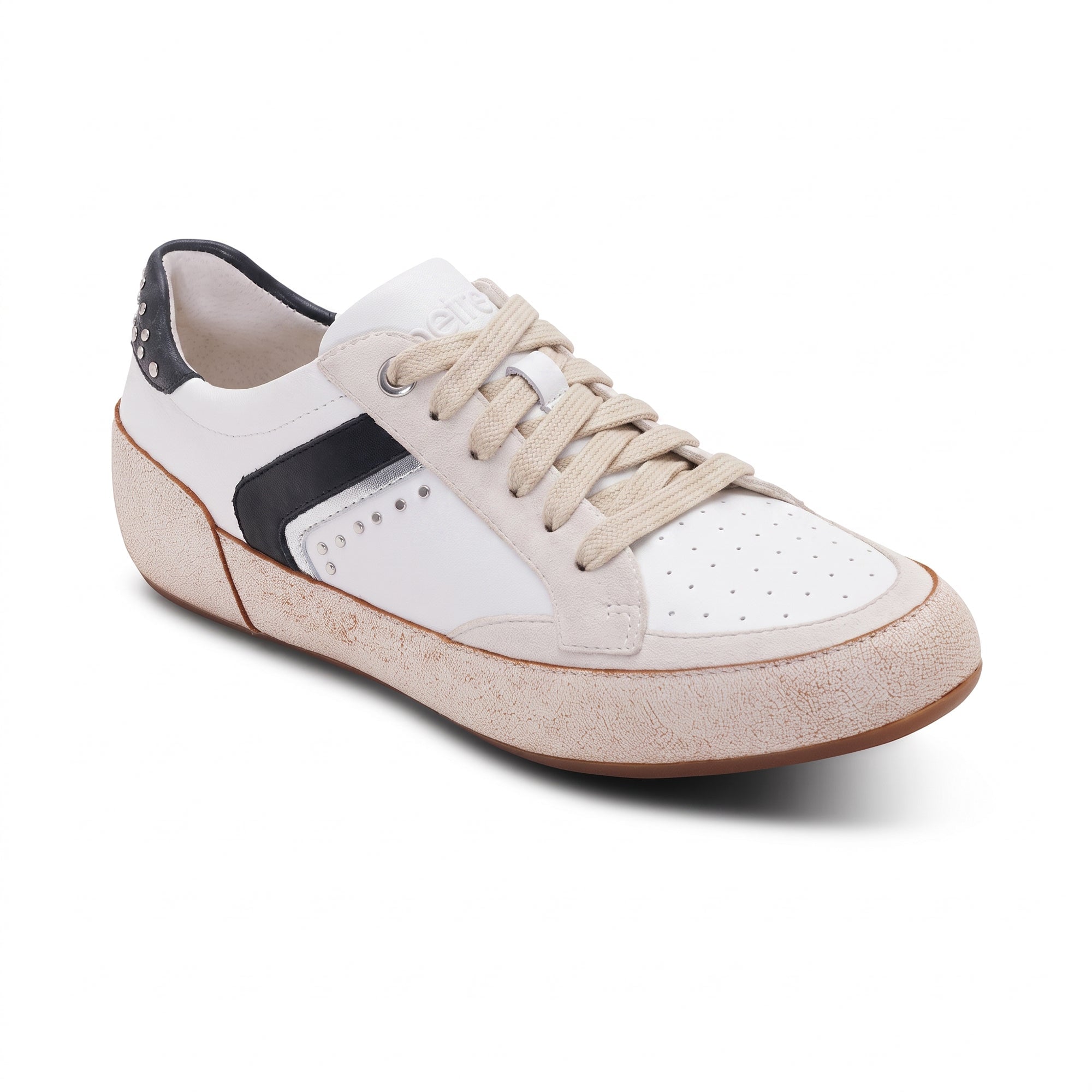
Tess Arch Support Sneaker is the practical default for walking and everyday errands. The white colorway is easy to pair, and the sneaker format generally gives the foot more coverage than the sandals here. Buyers should still check the product page for the current size run and materials, because a supportive construction cannot correct a poor width or length match.
→ Compare current Aetrex styles
A compact comparison for real routines
| Style | Best use | Support details | Main trade-off |
|---|---|---|---|
| Maria | Warm weather and adjustable fit | Arch support and memory foam | Open design gives less coverage |
| Collette | Work and smart casual | Arch support, EVA foam and shank | Leather needs care |
| Tess | Walking and daily wear | Arch support in a sneaker format | Less dressy than a loafer |
The table shows why there is no single best Aetrex shoe. Maria wins on adjustability, Collette wins on polish, and Tess wins on daily versatility. A conventional unstructured flat or fashion sneaker may look similar at first glance, but it will not necessarily offer the same built-in support features. Conversely, a dedicated orthotic can be a better route when you need a more specific fit than a shoe can provide.
Where Kristin fits in
For a dressier wardrobe, Kristin Arch Support Block Heel offers an important alternative to the sneaker and loafer choices. A block heel is usually easier to style for events than a flat sandal, while the Aetrex product positioning keeps support in the conversation. It is the use-case winner for occasions when appearance matters, but buyers should be realistic: any heel changes the foot position, so it is not the first choice for long walking days.
- Start with the longest period you expect to wear the pair.
- Choose coverage: open sandal, loafer or sneaker.
- Check whether you need adjustability at the strap, vamp or lacing.
- Review the size and width information on the exact product page before ordering.
→ Check current Aetrex footwear options
What to check before ordering
Aetrex has a useful range, but support language should not replace basic fit checks. Compare the upper material, closure and outsole as carefully as the arch feature. A hook-and-loop Maria sandal can accommodate small changes in volume more easily than a fixed slip-on. A leather Collette loafer may look more refined but can require a break-in period and more maintenance. A sneaker may feel forgiving, yet its shape still needs to match your foot.
- Read the exact product description, not only the collection headline.
- Confirm whether the insole is removable if you use another insert.
- Check the store’s current availability by size and color.
- Use Aetrex’s fit and condition-relief resources when your needs are more specific.
The store also presents orthotics separately, with options organized by activities such as walking, running and standing. That makes the brand more comparable with an orthotics-first solution than with a standard fashion label. For a closed-toe comparison, the Tess sneaker gives more coverage than the Maria sandal. Still, shoppers with persistent pain or a diagnosed condition should treat product pages as shopping information, not medical advice.
Buyer questions
Is Aetrex better for walking or dressing?
It depends on the model. Tess is the natural walking choice here, Collette is more suited to work and smart casual clothing, and Kristin is the occasion option. The brand’s support system is shared across many styles, but the sole, heel and upper still determine how a pair feels in use.
Do all Aetrex styles fit the same way?
No. Sandals, loafers, sneakers and heels use different closures and shapes. Check the exact listing for size information, available widths, materials and whether the insole can be removed. A style that works for one foot profile may not work for another, so compare the adjustable Maria with a more structured option such as Tess.
Should I choose footwear or separate orthotics?
Choose footwear when you want an integrated everyday solution; consider separate orthotics when you need to move support between compatible shoes or want an activity-specific design. Aetrex offers both routes, so compare the fit problem first rather than assuming one format is always better.
Our verdict
Tess is our overall everyday winner because the sneaker format offers the broadest use case. Choose Maria when adjustability and warm-weather styling come first, Collette when you need a polished work shoe, and Kristin when a dressier silhouette matters more than walking distance.
The honest limitation is that built-in support cannot guarantee a personal fit. Materials, shape, availability and your own foot needs still matter, and current prices can change by style, size and color. Use the product pages to confirm those details before making a decision.