

A practical guide to choosing DutchGrown™ bulbs this autumn, with spring colour, planting positions and product differences in view.
Autumn is the moment to make the spring garden feel intentional. Bulbs are planted before winter, then the payoff arrives in stages: early crocuses, daffodils and tulips, followed by later architectural flowers. The choice is less about finding one perfect variety and more about matching flowering time, position and colour to the space you have.
The UK store sells autumn-planted DutchGrown™ bulbs across these categories, from single varieties to named mixes. We reviewed the product information on its UK store to identify practical options for different garden jobs. Here is how to choose among them and what to check before ordering.
Disclosure: this post includes affiliate links, and we may be paid a commission on purchases made through them.
→ View DutchGrown™ autumn bulb options
The short version
- Tulip Zebra Collection pairs dark Queen of Night and white Clearwater tulips for a clear late-spring contrast.
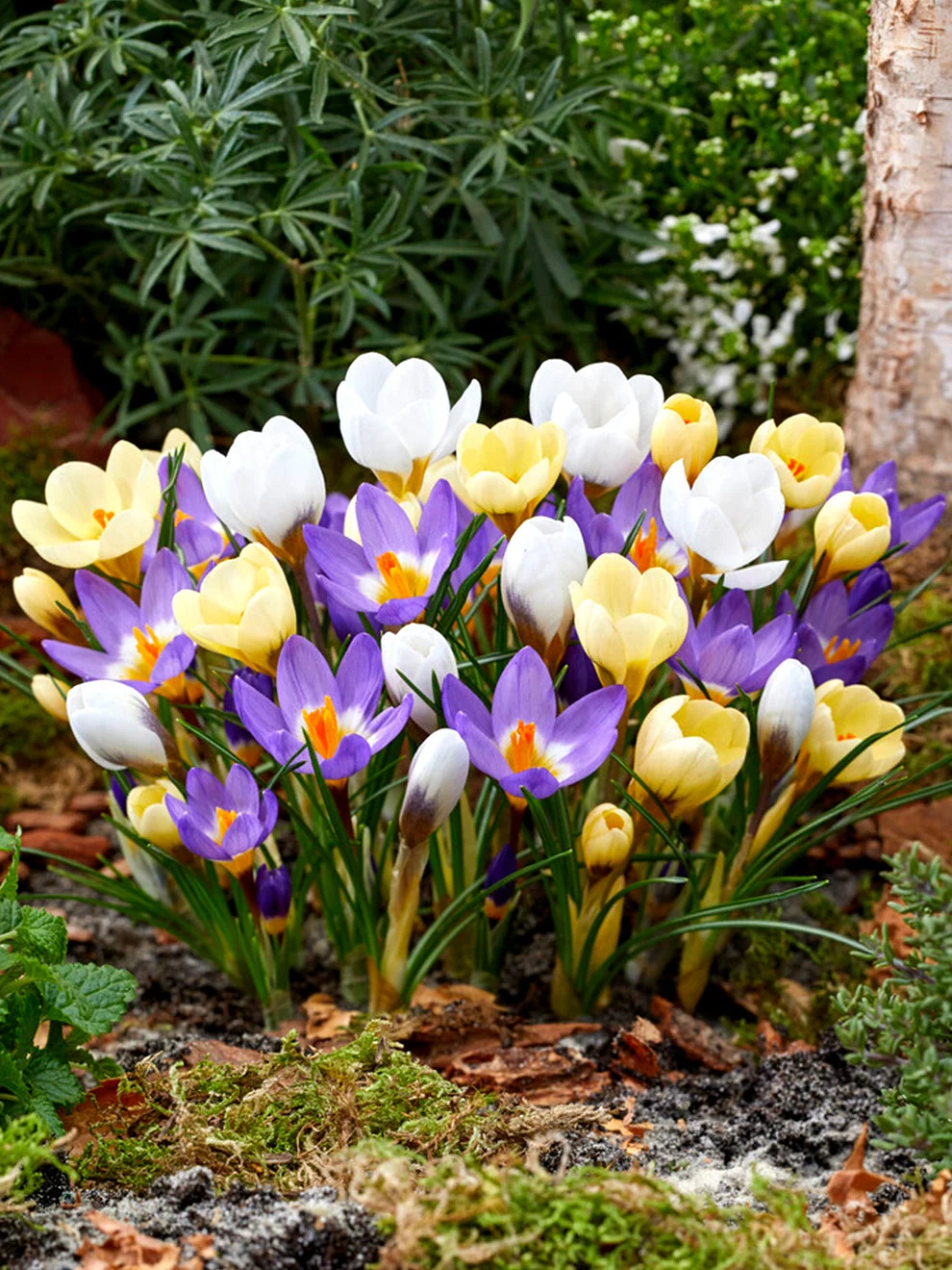
- Crocus Botanical Mixed brings blue, yellow, purple, white and striped flowers for an earlier display.
- Daffodil Peach Prince has double creamy blooms marked with peach-pink highlights, suited to beds and containers.
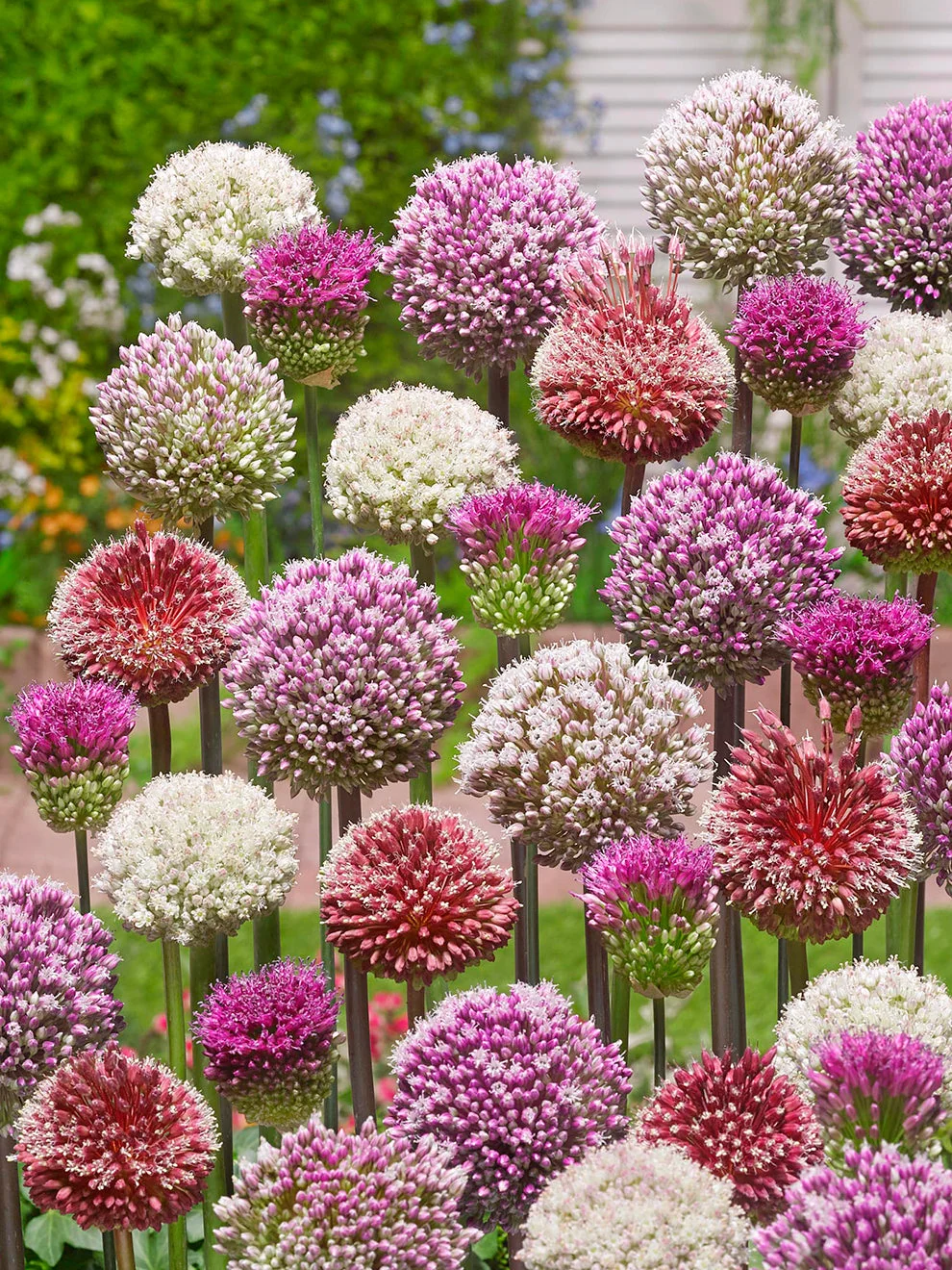
- Allium Tropical Tides Collection offers a later ornamental allium effect; confirm the UK listing’s planting and availability details.
Plan the flowering sequence
A bulb scheme works best when planned as a sequence of flowering. Early species bridge the end of winter, while tulips and alliums carry interest onward. Product descriptions give an expected flowering season, but weather and position affect when a garden sees flowers. Treat timings as a guide, not a fixed calendar. Compare the flowering information for each bulb.
For a first wave, the Crocus Botanical Mixed is a sensible option to consider. DutchGrown describes botanical crocuses as earlier flowering than regular crocuses, with a mix of blue, yellow, purple, white and striped blooms. That range of colour can enliven a lawn edge, rockery or the front of a border. Review the Crocus Botanical Mixed listing for the supplied quantity, sun requirements and naturalising advice before deciding where it belongs. The UK product details are also where to confirm pack options.
As the season advances, the Tulip Zebra Collection offers a more graphic combination. Its store description identifies two varieties: Queen of Night, a deep purple tulip, and Clearwater, a white lily-flowered tulip. Together they create strong contrast in a border or container, so the mix suits gardeners who prefer a deliberate two-colour design over a loose assortment. The trade-off is that this look is specific; it will not blend as quietly into a pastel scheme. Check the collection listing for the mix details.
Match bulbs to the space
Before adding bulbs, decide where they will go and what the display should do. A small front border needs lower flowers and a tidy colour story; a deep bed can accommodate layers. Containers are useful for a concentrated show, but they dry and cool differently from open ground. Read each variety’s planting depth and spacing, light and soil notes rather than assuming every bulb uses the same recipe. Position changes the result.
- For an early edge: choose smaller early bulbs such as botanical crocuses, then check whether the site recommends naturalising them.
- For a defined colour block: use a coordinated combination such as the Zebra tulips and leave enough visual space around it.
- For a container: check mature height and planting depth, and account for drainage and winter exposure.
- For a longer season: combine varieties whose listed flowering windows differ instead of planting one large batch with the same timing.
The Daffodil Peach Prince is a different kind of focal point. The UK listing describes double blooms with creamy petals and peach-pink accents, flowering in early to mid-spring. That makes it a candidate for a mixed border where a softer, fuller flower can sit alongside simpler tulips. It can also work in a container if the pot provides adequate depth and drainage. Check the Daffodil Peach Prince page for the current bulb size and cultivation specifics; flower size and strength are not a substitute for knowing how much room the planting needs. Read the growing notes alongside the variety details.

Think about height as well as colour. Low crocuses suit a path or bed front. Tulips can sit further back or in a container where flowers are visible at eye level. Daffodils can anchor a mixed planting, while alliums have distinct later flower heads. Use the product page’s stated height and position as the final reference.
→ Check Crocus Botanical Mixed planting details
Three options with different roles
These picks are not interchangeable, and their differences help make a small plan more coherent. If spring colour matters more than a particular named cultivar, start with season and location, then use product detail to narrow the choice.
| Option | Season and form | Best fit | Product detail |
|---|---|---|---|
| Crocus Botanical Mixed | Early, mixed colours | Naturalistic edges and small spaces | Check pack contents and position |
| Tulip Zebra Collection | Late spring, dark and white tulips | A graphic border or container | Confirm the named varieties |
| Daffodil Peach Prince | Early to mid-spring, double flowers | A softer focal point | Check size and growing notes |
For later structure, the Allium Tropical Tides Collection is worth considering as a separate layer. Its description presents an ornamental allium mix; inspect the live collection listing for varieties and growing requirements rather than relying on the name. Alliums have a different silhouette from cup-shaped flowers, helping a border change character as spring develops. They may not suit a low, close-up display.
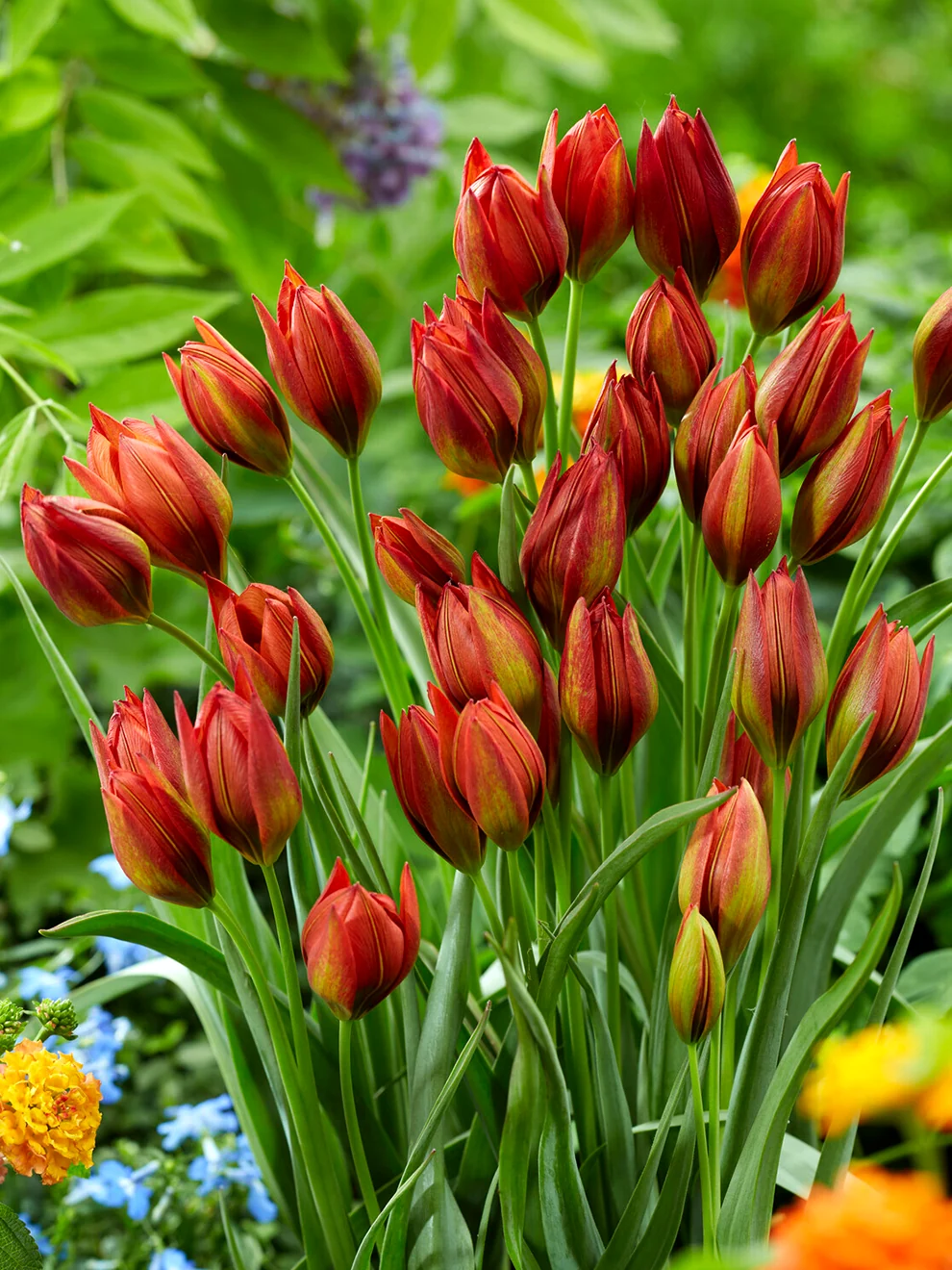
For a compact single variety, consider Tulip Mara. The store describes this miniature species tulip as around 10-15 cm tall, with cinnamon-red to deep red-orange flowers and green streaking. Its low stature suggests front-of-border planting, a rock garden or small pot. Confirm its full growing details before placing it beside taller varieties.
The cost of a bulb order depends on varieties, pack sizes and how many positions you are planting. A collection can simplify colour planning, while individual varieties give more control over quantities. Compare pack contents and bulb size on each UK product page, then check the current price there. Availability and dispatch timing may differ by product and season. Pack size shapes the plan.
→ Check Allium Tropical Tides details
Check before ordering
A few practical checks reduce the chance of choosing a bulb for the wrong place. DutchGrown describes itself as a family company selling bulbs from its farm in Holland, with UK dispatch and a broad range. It publishes bulb sizing, shipping schedules and a grow guarantee. Those details offer context, but the product page remains the source for what arrives in a particular pack.
- Confirm the variety, quantity and bulb size shown for the selected option.
- Match the recommended light, soil and planting depth to your actual bed or container.
- Check the stated flowering window and mature height when building a sequence.
- Review delivery timing, shipping terms and the guarantee on the UK site before checkout.
Autumn planting is a chance to sketch the layout first. Mark each group, and avoid spreading a strong colour combination too thinly. For a natural look, repeat small groups; for a formal container, keep the mix tighter. The range of single varieties and collections lets the choice reflect the space instead of forcing one style on every bed.
When should autumn bulbs go in?
Use the UK product guidance and local conditions as your reference. Autumn-planted bulbs are intended to establish before spring flowering, but suitable timing varies by bulb type and weather. Check the selected listing for any specific planting window.
Can these bulbs grow in pots?
Many spring bulbs can be grown in containers when the pot is deep enough and drains freely. Confirm the product’s planting depth and position notes, and remember that container compost can dry or freeze faster than garden soil.
How do I compare collections?
Compare the named varieties, colour mix, flowering period and pack contents, then check the growing requirements. A collection is most useful when its combination suits the site and the display you want.
Our take
DutchGrown™’s UK range supports planning by colour, season and form, with contrasts between mixed crocuses, paired tulips and double daffodils. For a simple starting point, choose Crocus Botanical Mixed for early colour and add Tulip Zebra Collection for later contrast.
The limitation is that collection names alone do not answer the practical questions: pack contents, bulb size, exact position and timing still need checking product by product. Review those details on the UK store before settling the plan. Product guidance varies.