
A research-led look at DutchGrown™’s flower bulbs and plants, the details that make its range useful, and the checks UK gardeners should make before ordering.
Buying bulbs online asks for more judgement than choosing by colour. Planting season, soil, eventual height and delivery timing all affect whether a variety fits a real garden. We reviewed the UK store’s product information and policies to see where DutchGrown™ makes those decisions easier, and where readers still need to do their own matching.
The store says its bulbs come direct from a family farm in Holland and presents a broad selection across autumn-planted bulbs and spring-planted plants. That breadth is useful, though range alone does not tell a gardener whether a particular choice will thrive in their conditions. Explore the autumn-planted bulbs and spring-planted plants by season.
Disclosure: this post includes affiliate links, and we may be paid a commission on purchases made through them.
→ View DutchGrown™ products in the UK store
The short version
- DutchGrown™ offers a wide seasonal range, from traditional bulbs to spring-planted perennials.
- Individual listings can include useful detail on flowering time, height, soil and garden placement.
- Trollius Orange Crest is described for moist soil and late-spring colour, while Anemone Fullstar Bordeaux is presented for borders, containers and cutting.
- Check the shipping schedule, size grading and grow guarantee before deciding; these determine whether the offer fits your plans.
A broad seasonal offer
The strongest case for DutchGrown™ is its range. The UK home page groups autumn-planted bulbs such as tulips, daffodils, alliums and crocuses, then links to a separate spring-planted assortment that includes bulbs and perennials. This gives gardeners a single place to plan different flowering windows rather than a catalogue focused on one familiar crop.
The main flower bulb range includes familiar tulips and daffodils alongside less common options. That breadth also raises the effort required to choose well. A bulb collection is not interchangeable with a rooted perennial or a summer-flowering dahlia tuber. Planting season, hardiness, light and drainage should guide selection. Shoppers who arrive with a colour idea but no site conditions may find a large range harder to navigate than a tightly curated seasonal set.
Useful product detail
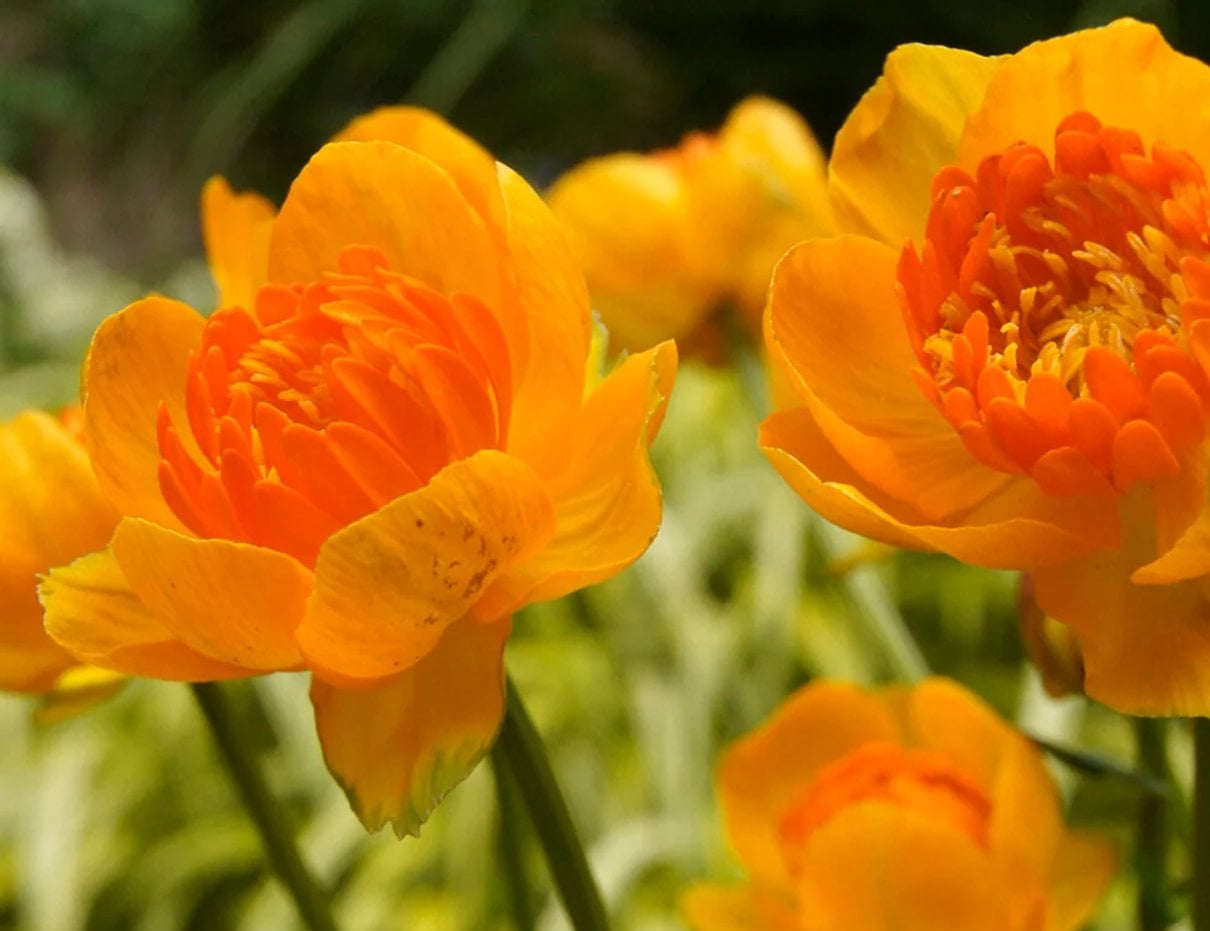
The individual plant listings are most helpful when they translate a name into garden conditions. The listing for Trollius Orange Crest describes yellow-orange, cup-shaped flowers with a tangerine centre, a compact habit and flowering from late spring into early summer. It specifies consistently moist, humus-rich soil and suggests borders, smaller spaces and pond edges. Those are practical decision cues, especially for gardeners balancing a damp spot that other plants may not suit.
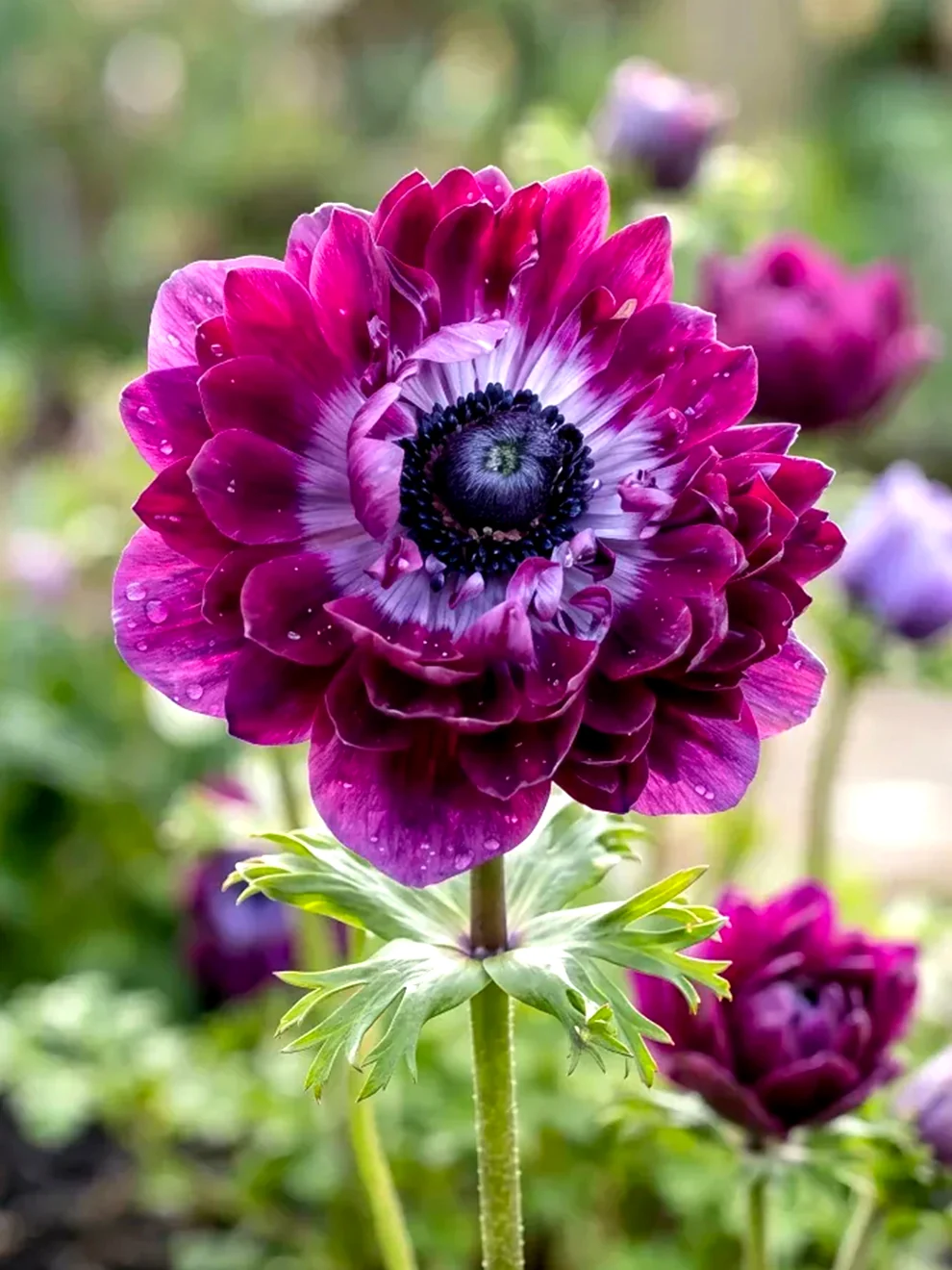
By contrast, Anemone Fullstar Bordeaux is described as a double, deep burgundy spring flower for borders, containers and cutting. Its page recommends fertile, well-drained soil in sun or light shade. That level of site guidance makes the choice more legible, though buyers should still check the full listing for planting and supply details before ordering.
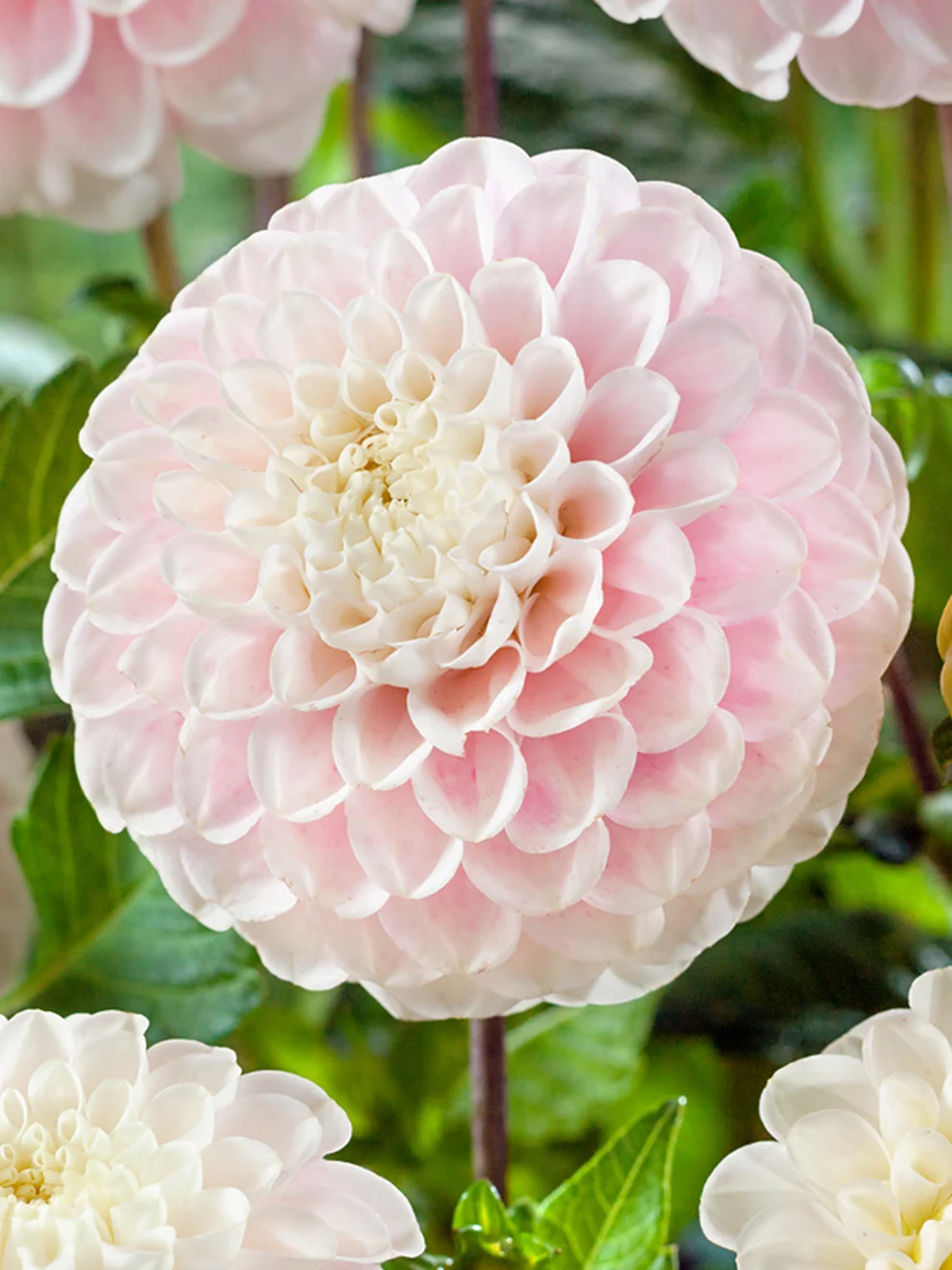
The dahlia range gives another example of the value of specific information. Dahlia Wizard of Lightning is described as a pompon or ball type with blooms from July, a stated height up to 140 cm and strong stems suited to cutting. These particulars help a buyer judge whether it belongs at the back of a border or in a cutting patch. See the dahlia listing for the store’s full notes. They also show why generic claims about a “large range” matter less than the detail on the exact variety.
→ Check current DutchGrown™ availability
Where the store helps
There are several useful signals in the information structure. The site provides a page explaining bulb sizes and quality, a seasonal shipping schedule, shipping-cost information and a dedicated grow-guarantee page. Putting these references within reach is a strength because flower bulbs are seasonal goods: delivery timing can matter as much as the variety itself.
- Seasonal navigation: autumn-planted bulbs and spring-planted items are separated.
- Growing context: stronger product listings state flowering periods, mature size or preferred conditions.
- Pre-order reference pages: shoppers can review grading, delivery scheduling and guarantee terms.
The guarantee is a store policy, so read its stated coverage and conditions rather than treating the name as an unconditional promise. The same applies to delivery: a shipping schedule is a useful guide, but the relevant dispatch window depends on the product and season. If planting dates are tight, check the current UK schedule and product availability before building a plan around a particular delivery.
Limits to weigh
A large catalogue can blur the difference between a bulb, corm, tuber and established plant. Those formats have different planting instructions and may arrive at different times. The store’s seasonal categories help, but readers should verify the item form and planting window on each product page instead of assuming that every flowering product follows the same routine.
There is also a limit to what catalogue copy can establish. Product descriptions explain the seller’s stated characteristics; they do not independently prove performance in every UK garden. Soil, drainage, exposure and local weather remain decisive. For example, the moist-soil preference attached to Trollius Orange Crest is a meaningful fit clue, while a sunnier, freely draining site may call for a different selection.
- Match the stated soil and light requirements to the exact planting spot.
- Check whether the item is supplied as a bulb, corm, tuber or plant.
- Confirm dispatch timing and guarantee terms on the current UK pages.
→ View DutchGrown™ plants and bulbs
A sensible fit
DutchGrown™ suits gardeners who want substantial choice, already have a rough planting plan and are comfortable checking product-level growing advice. It is particularly useful for someone filling gaps across seasons or looking beyond the standard tulip-and-daffodil list. Named choices such as Trollius Orange Crest and Dahlia Wizard of Lightning show how far the range extends beyond spring bulbs.
It is a less straightforward fit for a first-time gardener who wants a guaranteed, ready-made planting scheme or needs every item to arrive on one fixed date. The store’s guidance can narrow choices, but it cannot replace a site assessment. If you need a low-effort plan, start with the simplest seasonal category and shortlist only products whose conditions match your garden.
Our take
Our review of the UK store finds a credible strength in the combination of range and practical product notes. Where listings name flowering windows, height and preferred conditions, the reader can make a more informed choice than colour photography alone allows. Its supporting pages on bulb quality, shipping and the grow guarantee add useful context.
The limitation is that the breadth rewards a prepared buyer, and store descriptions remain seller-provided guidance rather than a guarantee of results in a particular plot. We recommend DutchGrown™ to gardeners willing to match each item to its season and site. Before committing, confirm the current UK product details, delivery schedule and policy terms.
When is the right time to order?
It depends on the plant type and the store’s seasonal schedule. Check the listing and UK shipping page together, then align dispatch with the product’s recommended planting window.
Does every listing include growing advice?
Detail varies by product. Look for flowering period, height, soil and light requirements on the specific listing, and contact the store if a decision-critical detail is missing.
What should UK buyers check before ordering?
Confirm the item form, planting season, delivery timing, bulb-size information and the conditions of the grow guarantee. Those checks matter more than choosing by flower image alone.