

A research-led look at Building Materials’ product breadth, specification detail and delivery caveats, so you can judge whether the store fits your next project.
A supplier can have a large catalogue and still be difficult to use if product pages leave key details unclear or delivery is hard to plan. We reviewed the live Building Materials store with that distinction in mind: what it sells, how well its listings support a decision, and what a buyer should confirm before committing.
The range is broad, from sheet materials and plasterboard to insulation, cement and ceiling systems. That breadth is useful when a project pulls several trades together, but it also means product choice depends on matching the specification and checking delivery terms item by item.
Disclosure: this post includes affiliate links, and we may be paid a commission on purchases made through them.
→ Check current options at Building Materials
The short version
- The catalogue covers core project materials and specialist alternatives, with manufacturers such as Isover, Knauf and Fermacell represented.
- Listings can include useful selection clues: thickness options, pack formats, intended use and technical data vary by product.
- Delivery is the main planning caveat. The store says options depend on location and products, and lead times are shown on individual product pages.
- This suits buyers who can specify what they need and compare like with like; it is less convenient if a fixed arrival date is the first requirement.
Range breadth
The strongest part of Building Materials is its spread across connected categories. A buyer can move from structural and sheet materials into insulation, plasterboard, fixings and finishing supplies without the site feeling limited to one trade. The store also presents well-known manufacturers alongside less familiar options, which gives a project team room to compare a recognised product against a different specification.
That breadth is a research starting point, not proof that every variant is interchangeable. The live listings show how much product choice can depend on thickness, edge profile, pack size or intended use. For example, the Hardwood Faced Plywood 2440mm x 1220mm listing describes different thicknesses and singles or pallet availability. Those options make the listing more useful, but the buyer still needs to choose for the job rather than assume one sheet suits every application.
Before settling on a sheet, revisit the hardwood-faced option and confirm its available thickness against the plan. Buyers comparing board types can also keep the Knauf Moisture Panel details open as a separate, application-specific reference.
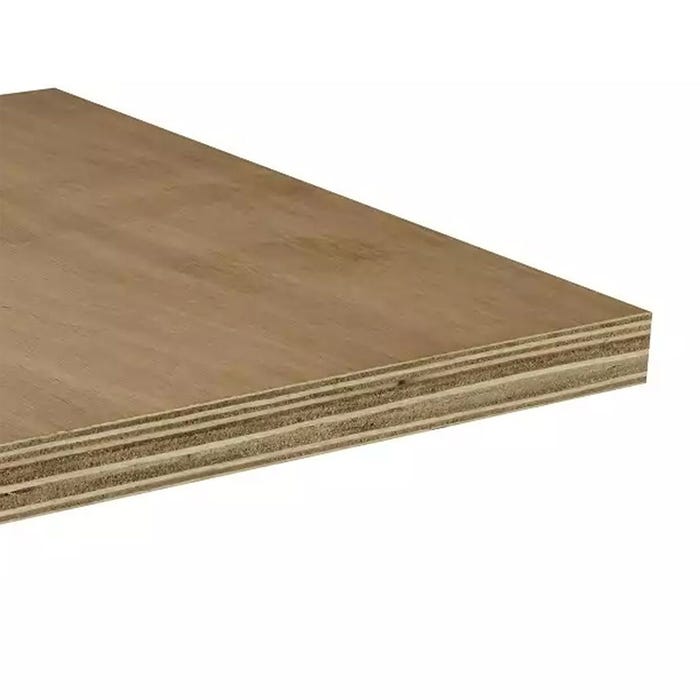
The breadth is valuable for project buyers such as builders, renovators and procurement teams already working from a materials schedule. Casual shoppers may find the same breadth harder to navigate: category names are trade-oriented, and similar products can have very different performance roles. It helps to arrive with a material type, dimensions and relevant performance requirement in hand.
- Confirm the required dimensions and edge profile before comparing board listings.
- Check whether a listing is sold as an individual item, a pack or a pallet.
- Use the product page specification and manufacturer guidance for performance decisions.
Specification signals
Product information is strongest when it moves beyond a name and gives buyers a way to compare. The Isover Acoustic Partition Roll APR 1200 Insulation page gives technical details including density and thermal conductivity. These are useful screening points for a partition or acoustic build-up, while the final choice still needs to match the design and installation requirements.
That level of detail is not uniform across every range. The brand lists many products, but buyers should check each product page for the exact data they need rather than assume every listing carries the same depth. If a value or certification is central to compliance, confirm it against the manufacturer documentation before ordering.
For a closer check, the Isover APR 1200 product page is worth comparing against the project requirement. Reopen the plywood format information separately; those are different buying decisions, despite sitting within the same broad store.
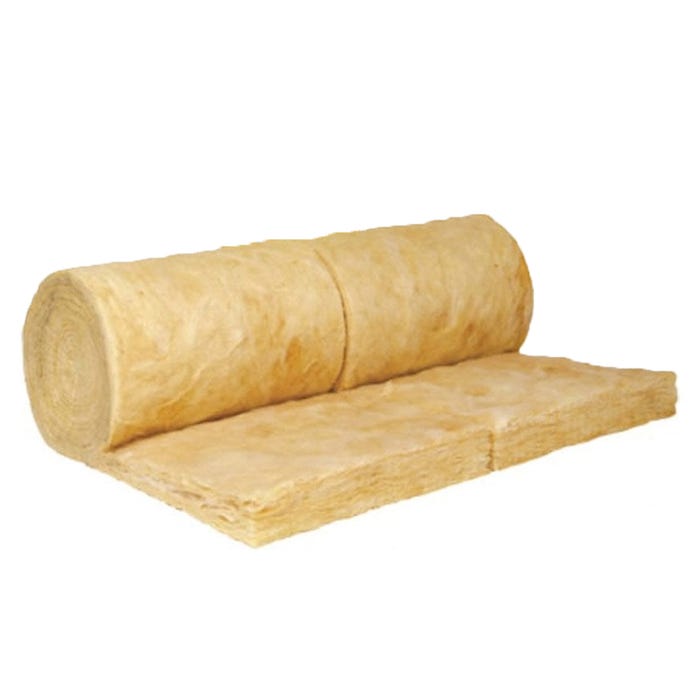
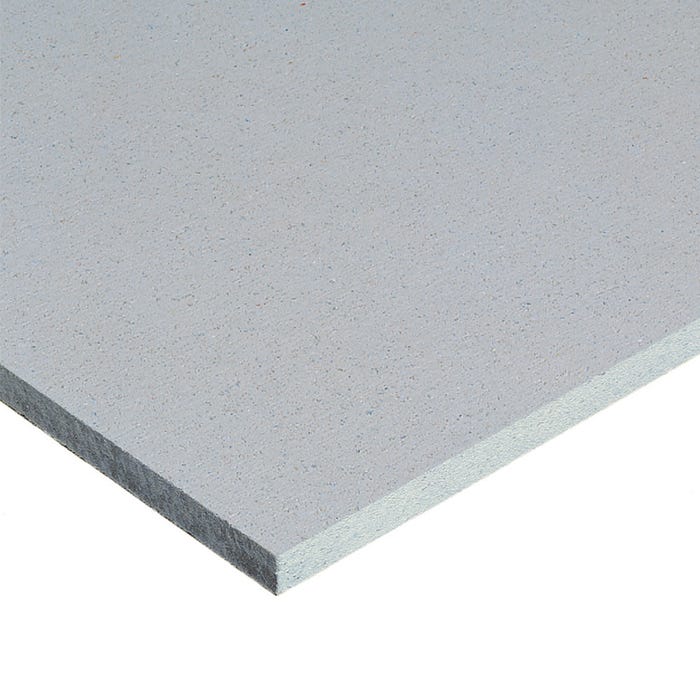
The plasterboard catalogue also makes application differences visible. The Knauf Moisture Panel Plasterboard Square Edge 12.5mm identifies a moisture-resistant board format, while the Fermacell Gypsum Fibreboard Square Edge 12.5mm gives buyers another material type to assess. Both names are concrete starting points, not recommendations to substitute one for the other.
This is where the store’s range creates a real benefit and a responsibility at once. More choice makes it easier to locate a specialised option, but it raises the cost of skipping the spec check. Our practical recommendation is to compare the page details against the project schedule, then verify unusual performance requirements with the supplier or manufacturer.
Check the Knauf Moisture Panel listing against its intended room conditions, then compare the Fermacell board information only if the specification allows an alternative.

Project examples
The live catalogue gives a useful sense of how varied the buying task can be. Plywood buyers need to settle thickness and format. Someone sourcing insulation needs to compare the intended application and technical figures. A buyer choosing board for a wet area or a specialist lining needs to be clear about the product’s specific purpose. Building Materials provides routes into these different categories, while the project team remains responsible for checking compatibility across the full build-up.
The Fermacell Gypsum Fibreboard is a good example of a named product that helps anchor research in a real material rather than a vague category. Its page presents a specific board format. The Knauf Moisture Panel is another distinct route in the same broad category. We would compare the manufacturer data, edge detail and installation requirements before deciding between them.
A useful shortlist keeps both Fermacell fibreboard and the Knauf moisture-resistant panel tied to the exact use case, rather than choosing by brand familiarity alone.
For a mixed project, being able to find sheet goods, insulation and finishing materials in one catalogue can save research time. It does not automatically mean one shipment or one lead time. The site notes that delivery depends on location, products and suppliers, so the order should be planned around what the product pages actually state.
→ Check the current Building Materials product range
Ordering reality
Delivery is the clearest limitation to keep in view. Building Materials describes different delivery options according to location and the products ordered. Its delivery information says lead times appear on product pages, and some products may take longer, including made-to-order items. That is a sensible level of warning, but it means buyers should not infer a single standard arrival window for a mixed order.
The store says its standard delivery coverage is limited to mainland UK and flags that some services or items may have additional conditions. For a site order, check the destination, access, unloading arrangements and the stated lead time before setting labour around an expected arrival. Where a product page says call to order or provides an unusual fulfilment note, treat that as a prompt to clarify availability directly.
- Check the product page lead time for each item, especially made-to-order products.
- Confirm the destination and unloading access fit the stated delivery service.
- Ask the sales team about an unusual or time-critical line before arranging installation.
Trade support is another positive signal. The homepage promotes personalised support and trade accounts, which can suit regular buyers who want a direct route to discuss sourcing. However, this is not the same as a universal trade price or guaranteed service level. The site’s credit and account options should be checked against eligibility and the terms shown at application.
→ Check delivery details at Building Materials
For individual lines, buyers can return to the product pages while confirming the order. The plywood options and Isover roll details each need their own check for format and timing.
→ Compare product details before ordering
Where it fits
We see Building Materials as a practical fit for people buying with a specification, a material list or at least a clear project brief. A contractor or experienced renovator can use its broad categories to shortlist products, compare known brands and check the details that affect the build. The store is also potentially useful when one project requires materials from several adjacent trades.
It is a weaker fit for a buyer who needs the retailer to make the technical choice on their behalf, or for a project where the delivery date cannot move. Product breadth does not replace design advice, and the published delivery notes make clear that timing can vary. In those cases, direct confirmation before ordering is part of a prudent purchase, not an optional extra.
- Choose the store when the material list is clear and you can compare product specifications.
- Confirm delivery details before fixing labour or installation dates.
- Ask for direct support when a product specification or account term is unclear.
Buyer questions
Does Building Materials sell to trade buyers?
Yes. The site promotes trade accounts and personalised trade support. Review the account terms and eligibility directly, as account benefits depend on the current conditions.
Can I assume the whole order arrives together?
No such assumption is supported by the store’s published delivery information. Options depend on products and location, and some products can have longer lead times. Check the individual listings and ask the sales team about mixed or time-sensitive orders.
How should I compare board products?
Start with the required use, dimensions and performance criteria, then compare edge type, thickness and the technical information shown on each product page. Use manufacturer documents where a compliance or performance claim matters.
Our take
Building Materials earns a positive recommendation for buyers who already know their project requirements and value a wide, trade-oriented catalogue. The product examples show useful choice across sheet materials, insulation and specialist boards, and some listings provide the detail needed for a careful shortlist. We would use it as a sourcing and comparison destination, with the specification sheet beside us.
The reservation is delivery planning: product and location can change the arrangement, and lead times need to be checked per item. If you need technical selection help or a guaranteed delivery date, confirm both before placing the order. For buyers comfortable doing that homework, the range and product-level information make Building Materials worth considering.