
A closer look at Billabong’s UK surfwear range, where its wetsuit choices stand out and what shoppers should check before choosing a suit.
Billabong is a recognisable surf label, but brand heritage alone cannot tell a UK surfer whether a particular suit is right for their water, session length or budget. We reviewed the current UK store information and its listed range, rather than testing the products. The strongest case is breadth: several thicknesses, entry styles and named suit lines sit alongside accessories for colder days.
The trade-off is that a wide catalogue asks shoppers to do careful fit and specification checking. The store’s product descriptions help distinguish options, but they cannot decide your comfort level or replace checking current sizing and delivery information. Buyers should also review the store’s terms directly before ordering. Returning a suit can be more consequential than returning a casual layer if the fit is wrong, so sizing and return conditions deserve attention before checkout.
Disclosure: this post includes affiliate links, and we may be paid a commission on purchases made through them.
The short version
- The UK store lists 3/2 mm, 4/3 mm and 5/4 mm suits across its wetsuit range.
- Options include chest-zip, back-zip and hooded designs, with Absolute Core, Absolute Ultra and Furnace families.
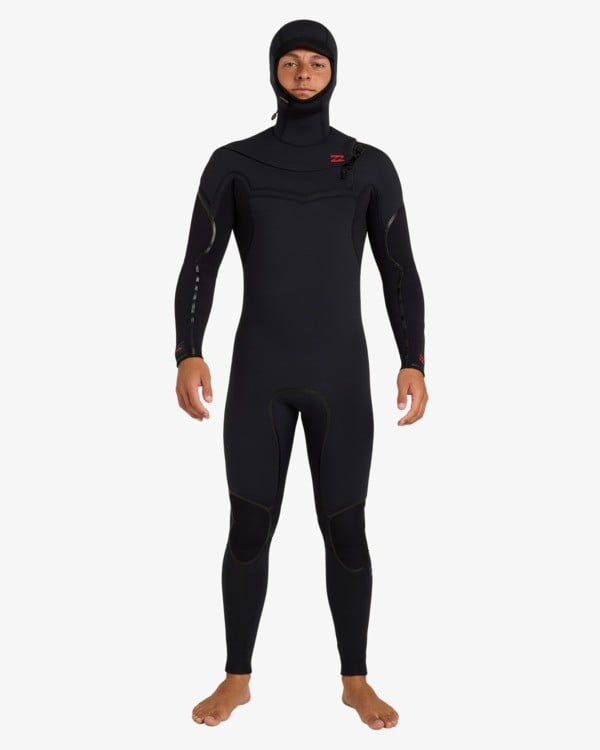
- 5/4mm Absolute Ultra Men Black Hooded Chest Zip Wetsuit is the clearest colder-water choice on paper.
- 4/3mm Absolute Core Men Black Back Zip Wetsuit gives shoppers a more straightforward entry design.
- Fit and conditions matter as much as range names; verify current product details before deciding.
A range with purpose
Billabong’s UK wetsuit assortment is more considered than a single warm-or-cold choice. Its published selection covers three thickness bands, and the listed styles include chest zip, back zip and hooded options. That gives surfers room to compare warmth and entry construction within one store, rather than treating every suit as interchangeable.
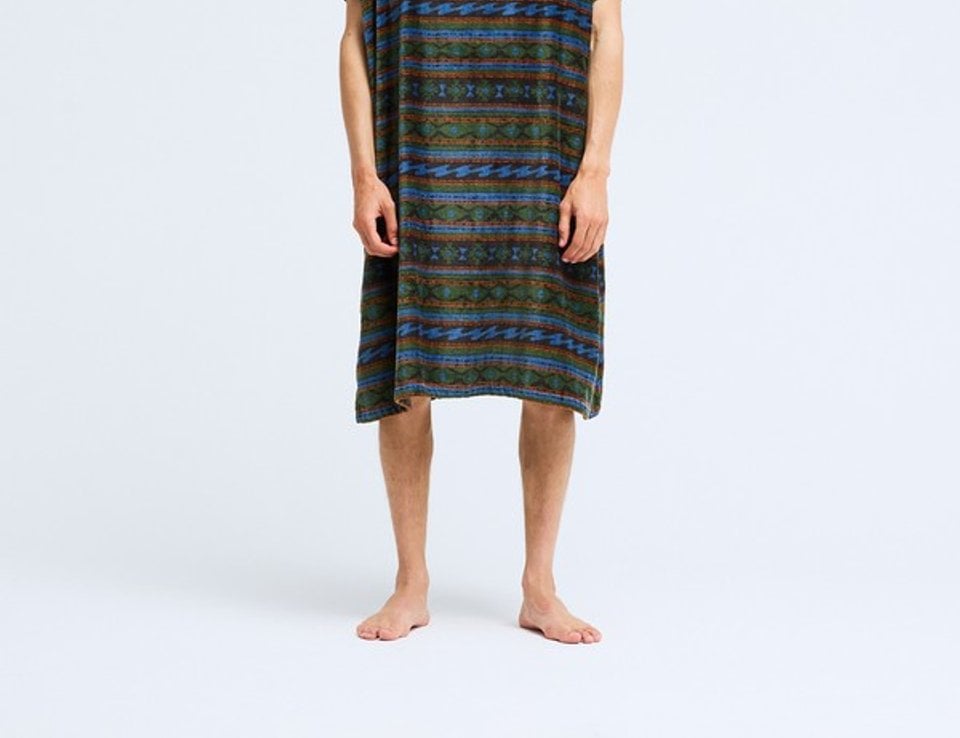
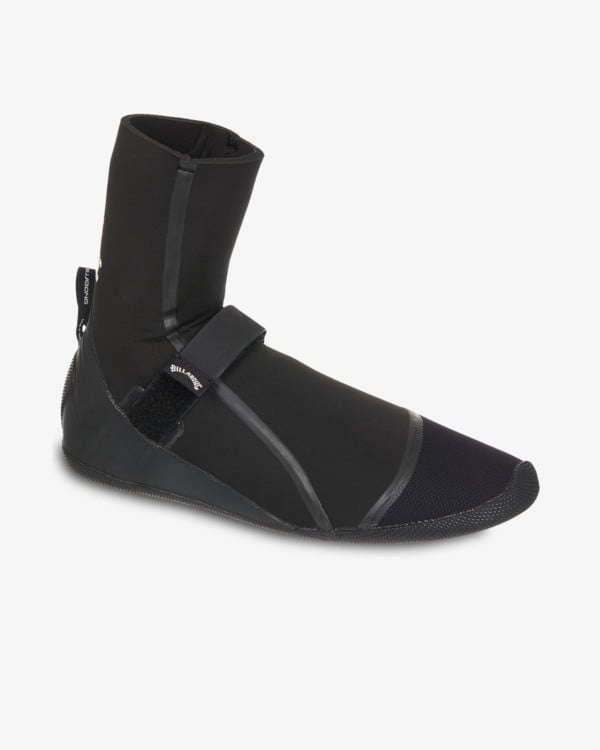
There is a broader surfwear context around these core products. The UK store lists accessories including wetsuit boots, gloves and changing ponchos, so a shopper can look beyond the suit itself when planning a cold session. That is useful, though it makes the total choice more involved: footwear and handwear need their own fit decisions. A changing poncho serves a different purpose altogether, supporting the practical routine around getting in and out of kit rather than adding insulation in the water.
The product naming also provides useful signposts. Absolute Core sits alongside Absolute Ultra and Furnace lines, including a Furnace Pro Series. This is a practical strength for a buyer who already knows the thickness and construction they want. The labels do not, by themselves, establish which suit will feel best, so use the product description and size guidance rather than assuming that a higher-sounding tier automatically suits you. For instance, compare the listed Furnace Pro Series details with the Absolute Ultra page, then check sizing for the exact model.
- Thickness: match the listed suit to expected water conditions and session length.
- Entry: compare chest-zip and back-zip construction for your preference.
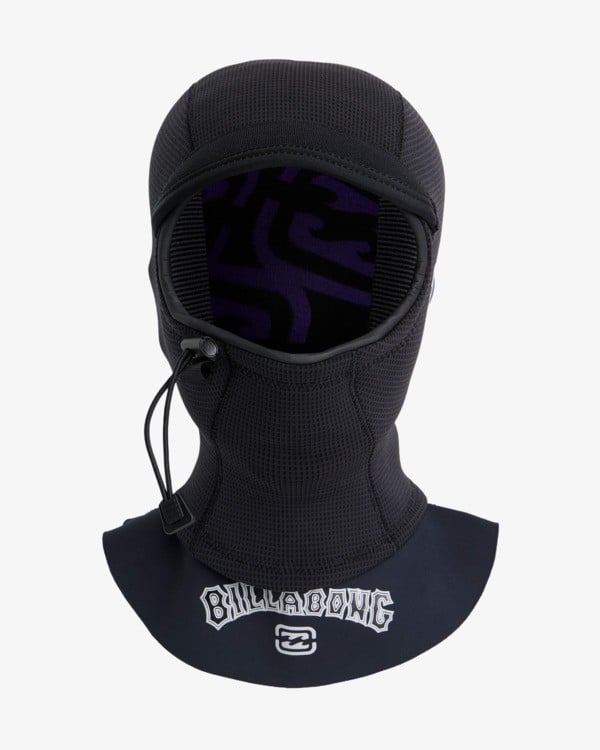
- Coverage: consider a hooded design when more coverage is part of your plan.
→ Check Billabong suit options
Three suits compared
Three examples show how the range separates by thickness and design. These are product-page details, not performance findings: suitability depends on your own fit, water temperature and how long you stay in the water.
- 5/4mm Absolute Ultra Men Black Hooded Chest Zip Wetsuit: the thickest option in this short list, with a hood and chest zip. It is the most directly specified for colder sessions.
- 4/3mm Furnace Pro Series Men Black Chest Zip Wetsuit: a mid-thickness chest-zip option in the Furnace family for shoppers comparing technical range positioning.
- 4/3mm Absolute Core Men Black Back Zip Wetsuit: also 4/3 mm, but with a back zip and a different family. It makes a useful comparison for those who prioritise entry style.
A second pass through the Absolute Core listing can help separate your preference for an entry style from the product-family name. That distinction is where Billabong’s range earns its place: shoppers can compare meaningful configurations, not just colour variants. For a purchase decision, however, thickness is only a starting filter. A suit that does not seal comfortably can undermine the reason for choosing a warmer model.
Where the limits sit
The first limit is the information gap between catalogue and real-world fit. Product pages can state construction and thickness, but the reader must still check the size chart, product notes and the store’s returns terms. We would treat those as part of the decision, especially when ordering a close-fitting technical garment.
The second is range complexity. Three thicknesses and several suit families create choice, but also make it easy to over-focus on model names. Start from local conditions and personal tolerance, then compare listed features. If you surf only occasionally in milder conditions, a hooded, thicker suit may be more than your routine calls for. If you surf through colder months, a thinner option may not meet your needs.
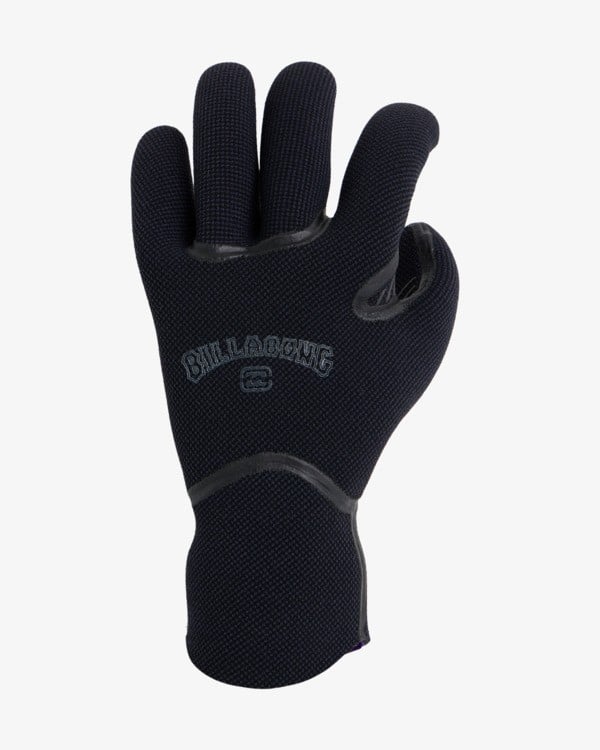
Billabong also lists surf accessories such as boots and gloves, which helps shoppers assemble a more complete cold-water setup. Accessories bring their own fit and warmth considerations, so do not assume one combination works for every session.
→ View current Billabong listings
Who should consider it
Billabong is a sensible shortlist choice for surfers who want to compare multiple suit constructions and thicknesses within one established surfwear store. The range is especially relevant if you already have a clear view of your intended conditions and want to weigh an Absolute model against a Furnace option.
It is less compelling for someone seeking a single, no-research answer. The breadth means choosing still requires a view on fit, entry style and warmth. New surfers may benefit from narrowing those needs before browsing, while experienced surfers can use the catalogue structure to find a more specific configuration.
Questions to check
Which thickness should I choose?
Use the conditions you expect, session duration and your own cold tolerance as the starting point. Billabong lists 3/2 mm, 4/3 mm and 5/4 mm options; confirm the product guidance and fit details for the exact suit.
Is chest zip better than back zip?
They are different entry constructions, not a universal good-better ranking. Compare the specific suit’s description and consider which design you prefer to put on and adjust.
Does Billabong sell cold-water extras?
The UK range includes surf accessories such as wetsuit boots and gloves. Check the size and construction details for each accessory as well as the suit.
Our take
Our recommendation: Billabong merits consideration if you want a UK surfwear range with several wetsuit thicknesses, entry styles and clearly named product families. The Absolute Ultra, Furnace Pro Series and Absolute Core give useful points of comparison for different priorities.
The limitation is that catalogue breadth cannot settle fit or guarantee warmth for your conditions. We recommend narrowing by expected water and preferred entry style, then checking the current product page, size guidance and store terms before choosing.